


Natural Pregnancy After Failed IVF: Understanding the Possibilities, Causes, and Factors That Affect Conception
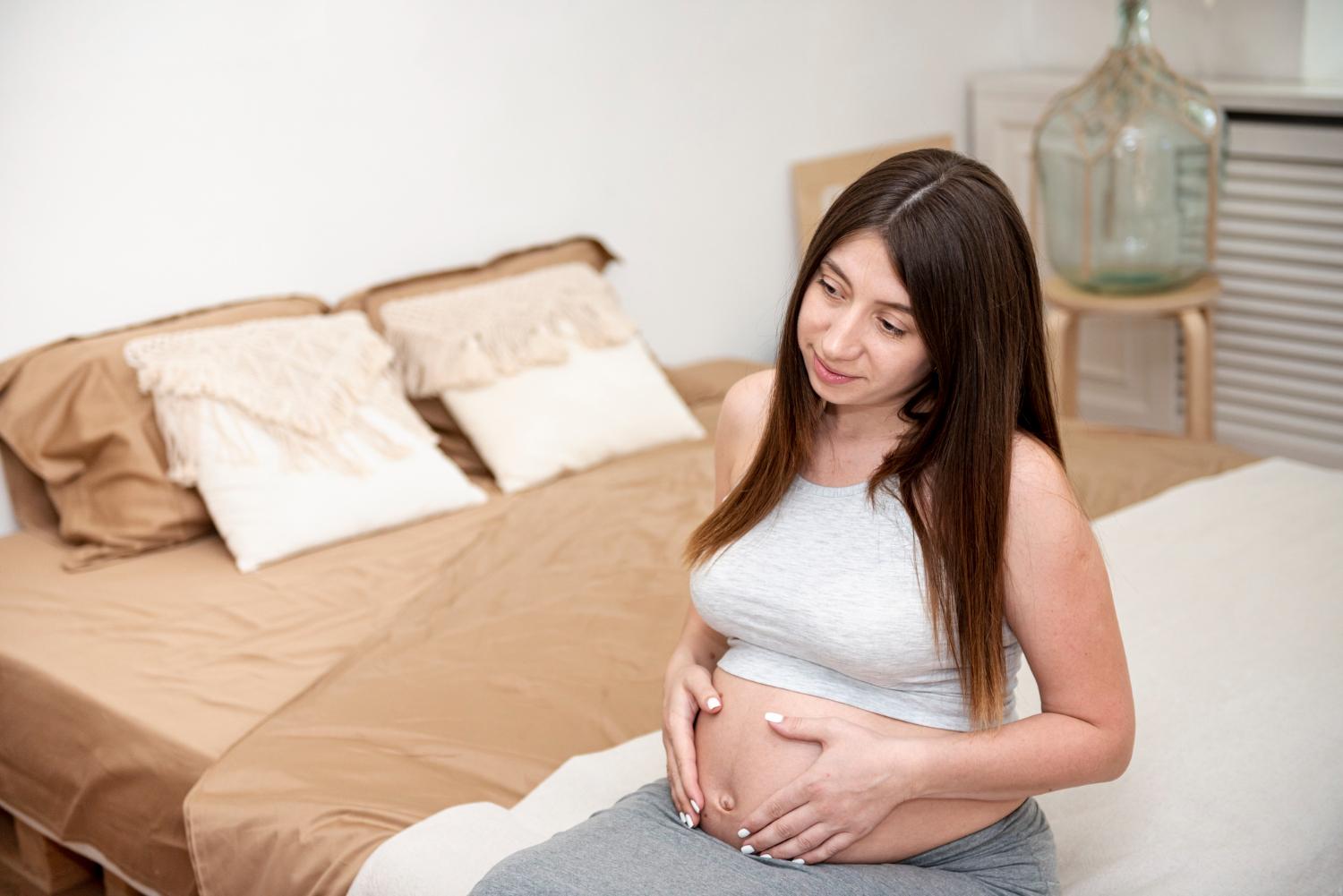
A failed in vitro fertilisation (IVF) cycle can be an emotionally challenging experience for individuals and couples trying to conceive. After undergoing fertility treatment without achieving pregnancy, many wonder whether natural conception is still possible. The possibility of a natural pregnancy after failed IVF depends on several factors, including age, reproductive health, the underlying cause of infertility, and whether ovulation, fertilisation, and implantation can occur without medical assistance.
A failed IVF cycle does not automatically mean that natural pregnancy is impossible. Some individuals conceive naturally after unsuccessful fertility treatment, while others may continue to experience difficulties because of underlying reproductive conditions. Understanding the factors that influence natural conception can help clarify the possibilities and reduce common misconceptions.
Is Natural Pregnancy Possible After Failed IVF?
Yes, natural pregnancy after failed IVF is possible in some cases. IVF involves fertilising an egg with sperm in a laboratory and transferring the resulting embryo into the uterus. Natural conception, on the other hand, occurs when sperm fertilises an egg within the reproductive tract and the embryo subsequently implants in the uterus.
The outcome of an IVF cycle does not always reflect the ability to conceive naturally. For example, an unsuccessful cycle may result from embryo development problems, unsuccessful implantation, or factors associated with the treatment process. These circumstances do not necessarily eliminate the possibility of natural conception.
However, natural pregnancy is less likely when the underlying infertility involves conditions such as bilateral fallopian tube blockage or certain severe sperm abnormalities. The likelihood varies considerably between individuals, making personal medical history an important consideration.
Why Can Natural Pregnancy Occur After Failed IVF?
Several factors may explain why pregnancy occurs naturally after an unsuccessful IVF cycle.
1. The Underlying Cause of Infertility
The original reason for infertility is one of the most important factors affecting the possibility of natural conception. Some fertility challenges reduce the chances of pregnancy without making it impossible.
For example, individuals with unexplained infertility may still ovulate, have functioning fallopian tubes, and produce sperm capable of fertilisation. Pregnancy may occur naturally even when conception has not happened during previous IVF attempts.
Similarly, some individuals with mild ovulatory problems may experience occasional ovulation, allowing natural conception to occur.
2. Changes in Reproductive Health
Reproductive health can change over time. In some cases, menstrual cycles become more regular, an underlying medical condition is managed, or a temporary factor affecting conception improves.
However, an unsuccessful IVF cycle does not itself establish that fertility has improved. Natural pregnancy may occur because conception remains biologically possible, rather than because IVF has directly increased fertility.
3. Natural Variation in Conception
Conception depends on several events occurring successfully, including ovulation, sperm movement, fertilisation, embryo development, and implantation. Even when these processes appear normal, pregnancy is not guaranteed during every menstrual cycle.
An unsuccessful IVF attempt also does not necessarily mean that all embryos or eggs have the same developmental potential. Natural conception may occur in a later cycle, although the probability depends on individual circumstances.
What Factors Influence Natural Pregnancy After Failed IVF?
Several factors can affect the likelihood of natural conception after fertility treatment.
Age: Age is an important factor, particularly for individuals producing eggs. Egg quantity and quality generally decline with increasing age, and the likelihood of chromosomal abnormalities rises. Consequently, the chances of natural conception may differ substantially between younger individuals and those in their late thirties or forties.
Ovulation: Regular ovulation increases the opportunities for natural conception. Conditions such as polycystic ovary syndrome (PCOS) can interfere with ovulation, although some individuals with PCOS conceive naturally.
Fallopian tube health: At least one functioning fallopian tube is generally necessary for natural conception. Blocked or severely damaged tubes can prevent sperm and egg from meeting or interfere with the egg's movement.
Sperm health: Sperm concentration, movement, shape, and overall function influence the likelihood of fertilisation. Severe male-factor infertility can significantly reduce the possibility of natural conception.
Uterine health: Certain uterine abnormalities and other reproductive conditions may affect implantation or pregnancy outcomes. Their significance depends on the specific condition.
Duration of infertility: Individuals who have been trying to conceive for several years may have different prospects from those who have experienced infertility for a shorter period.
These factors should be considered together rather than interpreted individually.
Does a Failed IVF Cycle Affect Natural Fertility?
A failed IVF cycle does not generally mean that natural fertility has been damaged. IVF involves ovarian stimulation, egg retrieval, fertilisation, and embryo transfer, but an unsuccessful outcome does not automatically reduce the ability to conceive naturally.
Some individuals experience temporary changes in menstrual timing following ovarian stimulation or fertility medications. These changes do not necessarily indicate a lasting fertility problem.
The circumstances surrounding the failed cycle remain important. For example, if infertility is associated with blocked fallopian tubes, natural conception may remain unlikely unless the underlying problem changes. If the cause is unexplained or involves a less severe reproductive issue, natural pregnancy may still be possible.
A fertility specialist can review the previous treatment cycle and determine whether further investigation is appropriate.
How Long After Failed IVF Can Natural Pregnancy Occur?
There is no fixed period in which natural pregnancy must occur after failed IVF. Conception may happen during a subsequent menstrual cycle, several months later, or not at all.
The timing depends on factors such as age, ovulation, sperm health, fallopian tube function, and the duration of infertility. Pregnancy can occur only when the necessary reproductive processes are functioning sufficiently for conception and implantation.
Following an unsuccessful cycle, the body may need time to recover, particularly after ovarian stimulation or complications. The appropriate time to resume trying naturally depends on the individual's medical condition and the advice of the treating healthcare professional.
When Should Medical Advice Be Considered?
A fertility evaluation is generally recommended after 12 months of regular, unprotected intercourse without pregnancy, or after six months when the individual trying to conceive is aged 35 or older. Earlier assessment may be appropriate when there are irregular or absent periods, known reproductive conditions, previous pelvic infections, or significant sperm-related concerns.
After failed IVF, reviewing the treatment results may help identify whether natural conception remains realistic. Evaluation may include ovulation assessment, semen analysis, and investigations of the reproductive organs when indicated.
Natural pregnancy should not be considered impossible solely because IVF has failed, but its likelihood should not be assumed either.
Conclusion
Natural pregnancy after failed IVF is possible, but the chances vary according to age, the underlying cause of infertility, ovulation, fallopian tube function, sperm health, and other reproductive factors.
An unsuccessful IVF cycle does not automatically mean that natural conception cannot occur. At the same time, certain medical conditions can substantially reduce the likelihood of pregnancy without assistance. Understanding the reasons behind the unsuccessful cycle provides a clearer picture of individual fertility prospects.
Each fertility journey is different, and accurate medical assessment remains important when determining the possibility of natural conception after failed IVF.

 English
 French
 Spanish
 Portuguese
 Deutsch
 Turkish
 Dutch
Dutch
 Italiano
 Russian
 Romaian
 Portuguese (Brazil)
 Greek
Greek