


Knitting Kits: A Complete Guide to Materials, Tools, and Projects in the United States
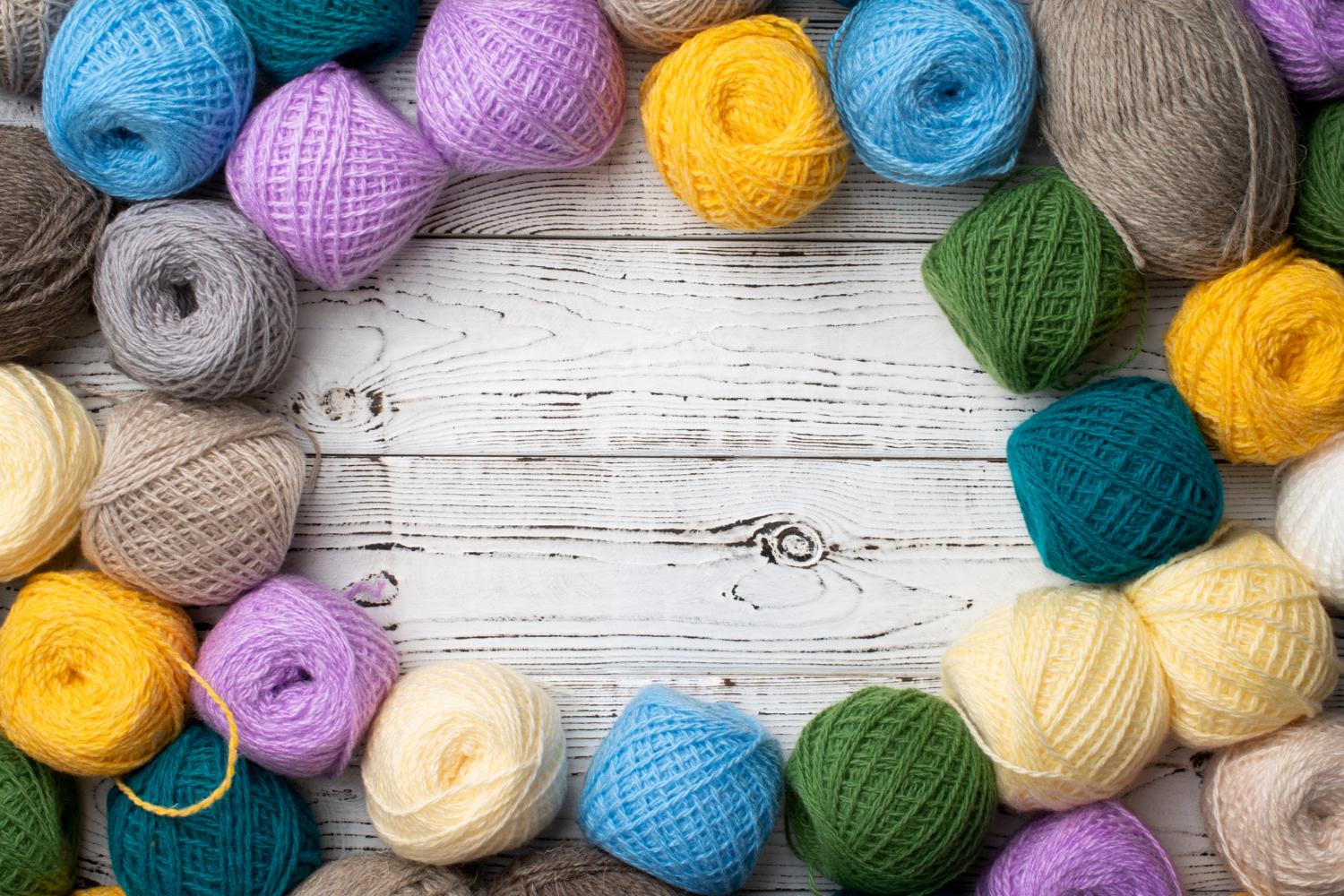
Knitting kits provide a convenient way to organize the materials and tools needed for knitting projects. Across the United States, these kits are used by beginners, hobbyists, and experienced crafters who want to create garments, accessories, home decorations, and handmade gifts. A typical knitting kit contains yarn, knitting needles, and project instructions, although the contents vary according to the intended design and skill level.
The growing variety of knitting kits makes it possible to explore different techniques, yarn types, and project styles. Some kits focus on simple projects that introduce basic stitches, while others include materials for intricate garments and textured accessories. Understanding the components, uses, and selection criteria of knitting kits helps crafters determine which type is suitable for their individual needs.
What Are Knitting Kits?
Knitting kits are collections of materials assembled for a specific knitting project or general crafting purpose. They usually include the essential supplies required to complete an item, reducing the need to identify and purchase every component separately.
A basic knitting kit may contain yarn, needles, and a printed or digital pattern. More comprehensive kits may include stitch markers, tapestry needles, measuring tools, row counters, and other accessories.
The contents depend on the project's complexity. A simple scarf kit may require only one type of yarn, a pair of knitting needles, and straightforward instructions. A sweater kit may contain several skeins of yarn, multiple needle sizes, detailed sizing information, and instructions for shaping and assembly.
Different Types of Knitting Kits
Knitting kits are available for a variety of projects, allowing crafters to select materials according to their interests and experience.
Beginner knitting kits: These kits generally focus on simple projects, such as scarves, dishcloths, and basic accessories. They may include introductory instructions explaining casting on, knitting, purling, and binding off.
Hat knitting kits: Hat kits typically contain yarn, suitable needles, and instructions for creating a fitted or relaxed design. Depending on the pattern, they may introduce ribbing, circular knitting, and decreases.
Scarf knitting kits: Scarf kits often use repetitive stitch patterns and straightforward construction. They can help beginners practice consistent tension while allowing experienced knitters to explore different textures and color combinations.
Sweater knitting kits: Sweater kits usually require more materials and detailed instructions. They may include sizing options, sleeve construction, neckline shaping, and guidance for assembling individual pieces.
Blanket knitting kits: Blanket kits provide yarn quantities and instructions for producing blankets of different sizes. Some involve repeating stitches, while others feature individual squares, stripes, or textured panels.
Sock knitting kits: Sock kits may include fine yarn, smaller needles, and patterns covering heel shaping, gussets, and toe construction. These projects often require more precise stitch counting.
Essential Components of Knitting Kits
The components included in knitting kits determine how well they support a particular project.
- Yarn: Yarn forms the foundation of the project. Its fiber composition, weight, color, and total yardage influence the appearance and functionality of the finished item.
- Knitting needles: Needles may be straight, circular, or double-pointed, depending on the design and construction method.
- Pattern instructions: Instructions explain stitch sequences, measurements, shaping, and finishing techniques.
- Stitch markers: These small accessories help identify pattern repeats, garment sections, and important points during knitting.
- Tapestry needles: These are used to weave in loose yarn ends and, when necessary, sew knitted pieces together.
- Measuring tools: Measuring tapes and row counters help track dimensions and progress.
Not every kit includes all these items. Checking the listed contents helps establish whether additional supplies are necessary.
Choosing Yarn in Knitting Kits
Yarn selection affects the softness, durability, warmth, and appearance of a finished project. Knitting kits may contain natural fibers, synthetic fibers, or blends.
Wool is frequently used for warm garments and winter accessories because of its elasticity and insulating qualities. Cotton is suitable for many lightweight garments and household items because it is breathable and absorbent. Acrylic yarn is commonly used for blankets, scarves, and everyday accessories.
Blended yarns combine different fibers to achieve specific characteristics, such as improved durability or easier maintenance. The appropriate choice depends on the project's purpose and the care instructions provided.
Yarn weight is another important consideration. Lightweight yarn is often used for delicate garments, while medium-weight yarn suits many everyday projects. Bulky yarn can create thicker fabrics for blankets and winter accessories. The selected kit should provide enough yarn to complete the project according to its instructions.
Knitting Kits for Beginners and Experienced Crafters
For beginners in the United States, knitting kits can provide a structured introduction to the craft. A kit with clearly written instructions, manageable yarn thickness, and basic tools can help reduce uncertainty during the first project.
Beginner-friendly projects typically involve limited shaping and repeated stitches. These characteristics allow new knitters to concentrate on technique, stitch consistency, and tension.
Experienced crafters may prefer kits involving lace patterns, cables, colorwork, or garment construction. Such projects may require multiple needle sizes, specialized yarn, and a thorough understanding of pattern abbreviations.
Skill-level descriptions should be reviewed carefully because the meaning of beginner, intermediate, and advanced can vary between pattern designers.
Important Factors to Consider Before Selecting a Kit
Several practical factors help determine whether a knitting kit meets a project's requirements.
First, the pattern should match the intended skill level and desired finished item. Second, the yarn quantity should be sufficient for the selected size and design. Third, the needle type and size should correspond to the pattern's recommendations.
Clear instructions are particularly important for projects involving shaping or unfamiliar techniques. Material specifications should identify fiber content, yarn weight, and care requirements.
For online purchases, product photographs, shipping costs, delivery estimates, and return conditions can also affect the selection process. Reviews may provide additional information about yarn texture, instruction clarity, and the accuracy of the finished dimensions.
Benefits of Using Knitting Kits
Knitting kits can simplify project preparation by grouping related materials together. This organization may reduce the time spent searching for compatible yarn, needles, and instructions.
They can also help with material planning because many kits specify the quantity of yarn needed for a particular design. Coordinated materials may make it easier to follow a pattern without independently matching every component.
However, kit contents vary, and some projects require supplementary tools or additional yarn. Careful review of the instructions and included supplies remains important.
Conclusion
Knitting kits bring together the materials, tools, and instructions needed for a wide range of knitting projects. From simple scarves and hats to sweaters, blankets, and socks, these collections support different crafting interests and experience levels.
Understanding yarn types, needle requirements, pattern instructions, and project complexity helps crafters evaluate available kits more effectively. By considering material quality, quantity, usability, and care requirements, knitters can select suitable supplies for their intended projects and develop their skills through structured practice.

 English
 Arabic
 French
 Spanish
 Portuguese
 Deutsch
 Turkish
 Dutch
Dutch
 Italiano
 Romaian
 Portuguese (Brazil)
 Greek
Greek