


What Is Fiberglass? Uses, Benefits, and Key Properties
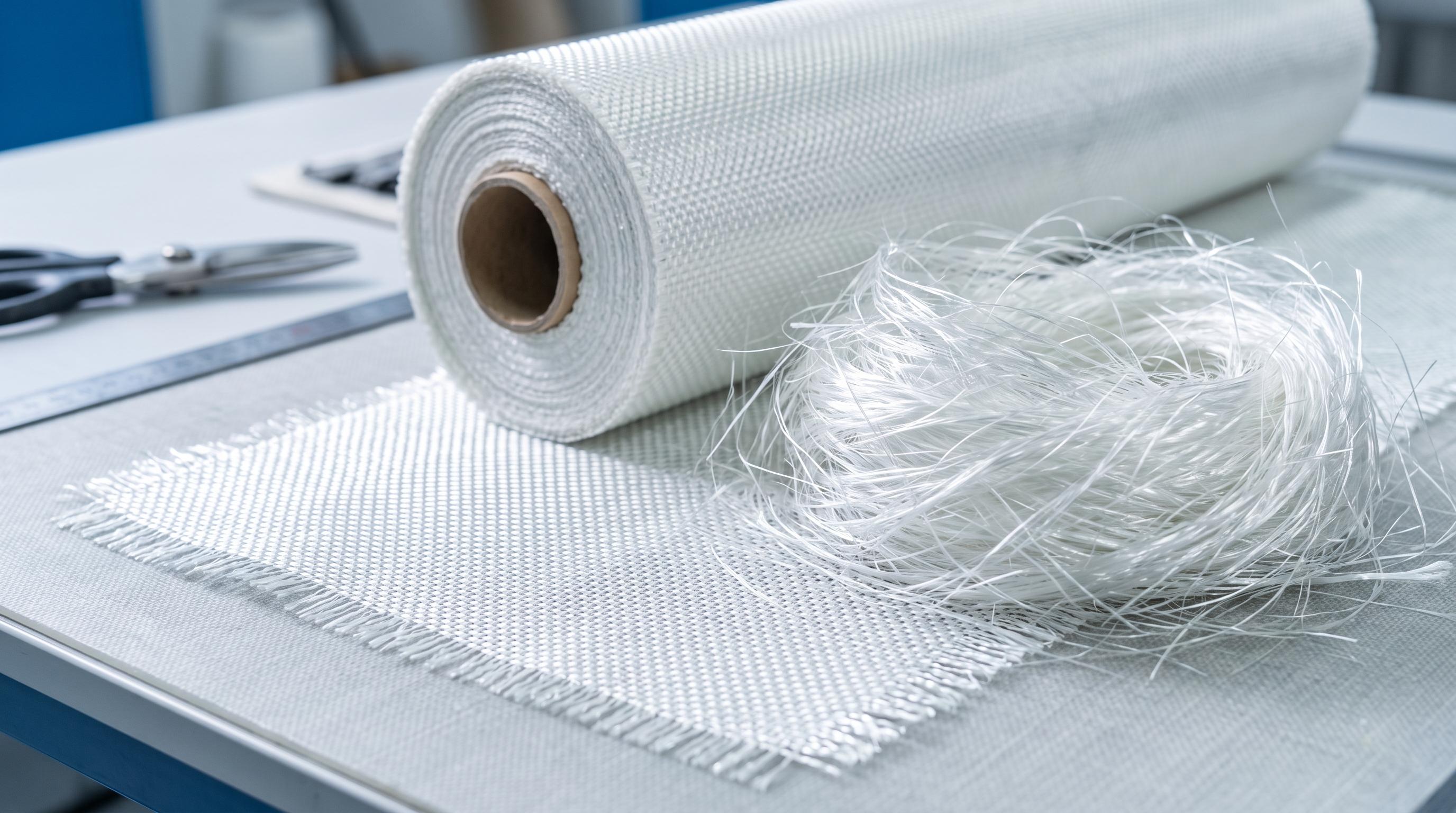
Fiberglass is a lightweight, durable, and versatile material used in construction, transportation, manufacturing, and many other industries. It is valued for its strength, resistance to corrosion, and ability to provide thermal and electrical insulation. From building insulation and roofing panels to boats, vehicle components, and industrial equipment, fiberglass plays an important role in modern life.
Many people encounter fiberglass without realizing how widely it is used. It can be found in residential buildings, commercial facilities, water storage tanks, swimming pools, and various everyday products. Its combination of strength, flexibility in manufacturing, and relatively low maintenance requirements makes it an attractive alternative to several traditional materials.
Understanding what fiberglass is, how it is manufactured, and where it is used can help homeowners, builders, manufacturers, and consumers make informed decisions about this material.
What Is Fiberglass?
Fiberglass is a composite material made from extremely fine strands of glass. These strands are combined with a binding material, commonly a resin, to create a product with specific mechanical and physical properties.
The glass fibers provide strength and stiffness, while the resin holds the fibers together and helps form the finished shape. Depending on the manufacturing process and intended application, fiberglass can be produced as insulation, woven fabrics, molded components, sheets, panels, or reinforced structures.
Fiberglass is often associated with glass wool insulation, which is designed to trap air and reduce heat transfer. However, fiberglass-reinforced plastic is a different type of product commonly used for structural components, pipes, tanks, boats, and vehicle parts.
Although fiberglass contains glass, finished fiberglass products can be shaped into smooth, solid, and durable forms. Their performance depends on the type of glass fibers, the resin system, the manufacturing method, and the environment in which they are used.
How Is Fiberglass Made?
Fiberglass manufacturing begins with raw materials used to produce glass. These materials are heated at high temperatures until they melt into a liquid state. The molten glass is then drawn through very small openings to form thin fibers.
The fibers can be processed in different ways depending on the final product. For insulation, they may be collected into loose strands or formed into mats and batts. For composite products, the fibers may be woven into fabrics, arranged into layers, or combined with resin.
In fiberglass-reinforced plastic manufacturing, the fibers are placed in a mold or arranged in a desired pattern. Resin is then applied to bind the fibers together. The material is allowed to cure, forming a solid component with the required shape and performance characteristics.
Manufacturers may use different resins, including polyester, vinyl ester, or epoxy, depending on the product's intended use. The choice of resin affects properties such as chemical resistance, strength, durability, and temperature performance.
The final product may undergo cutting, trimming, finishing, or quality testing before it is ready for installation or use.
What Are the Main Types of Fiberglass?
Fiberglass products are available in several forms, each designed for a particular purpose.
Fiberglass Insulation
Fiberglass insulation is commonly installed in walls, ceilings, attics, and floors. It consists of fine glass fibers that trap air and slow heat transfer. This helps maintain indoor temperatures and can reduce heating and cooling demands when the insulation is properly selected and installed.
It is available in rolls, batts, loose-fill material, and specialized insulation products.
Fiberglass-Reinforced Plastic
Fiberglass-reinforced plastic, often called FRP, combines glass fibers with a plastic resin. It is used to manufacture strong, lightweight components that resist moisture and many corrosive environments.
Common applications include wall panels, pipes, storage tanks, boat hulls, and industrial equipment.
Fiberglass Fabric
Fiberglass fabric consists of glass fibers woven into sheets or textiles. It can be used in composite manufacturing, electrical insulation, thermal protection, and specialized industrial applications.
The fabric may be combined with resin to produce reinforced structures.
Fiberglass Sheets and Panels
Fiberglass sheets and panels are used in roofing, cladding, enclosures, partitions, and other building applications. Depending on their design, they can offer weather resistance, low weight, and good durability.
Some panels are translucent, allowing natural light to enter a space while providing protection from the elements.
What Are the Common Uses of Fiberglass?
Fiberglass is used across many industries because it can be manufactured in different shapes and formulations.
Construction and Home Improvement
The construction industry uses fiberglass for insulation, roofing panels, wall coverings, doors, window components, and reinforcement products. Fiberglass insulation helps improve energy efficiency by reducing heat transfer through building structures.
Fiberglass-reinforced panels are also used in areas where moisture resistance and easy cleaning are important, such as commercial kitchens, utility rooms, and certain healthcare facilities.
Automotive and Transportation
Fiberglass is used in vehicle body panels, bumpers, interior components, truck bodies, and specialized vehicle parts. Its relatively low weight can help reduce overall vehicle mass while providing useful strength.
It is also used in recreational vehicles, trailers, and other transportation equipment.
Marine Industry
Boats and marine equipment frequently use fiberglass-reinforced plastic because it can provide a durable structure without the same corrosion problems associated with many metals.
Fiberglass is used in boat hulls, decks, storage compartments, and certain marine fittings. However, the performance of these components depends on their construction, maintenance, and exposure to environmental conditions.
Water Tanks and Pipes
Fiberglass-reinforced plastic is used in water storage tanks, wastewater systems, and industrial piping. These products can be useful where corrosion resistance and relatively low weight are important.
Not every fiberglass product is suitable for drinking water or every chemical. Products must be specifically designed and approved for their intended application.
Industrial Equipment
Industries use fiberglass components in chemical processing, manufacturing facilities, electrical systems, and ventilation equipment. Certain fiberglass products resist corrosion better than conventional steel in particular environments.
Fiberglass also provides electrical insulation, making it useful for applications where electrical conductivity must be limited.
Consumer Products
Fiberglass can be found in sporting equipment, ladders, furniture components, decorative items, and various molded products. Its versatility allows manufacturers to create products with different shapes, textures, and mechanical characteristics.
What Are the Benefits of Fiberglass?
Fiberglass offers several advantages that make it useful in residential, commercial, and industrial applications.
Lightweight Construction
Many fiberglass products weigh less than comparable components made from steel or other dense materials. This can simplify transportation, handling, and installation.
Strength and Durability
Fiberglass-reinforced composites can provide a useful combination of strength and stiffness. Their performance depends on fiber orientation, resin selection, product design, and manufacturing quality.
Corrosion Resistance
Unlike ordinary steel, fiberglass-reinforced plastic does not rust. It can resist moisture and many chemicals, making it suitable for selected marine and industrial applications.
However, some resins and fiberglass formulations can degrade when exposed to certain chemicals, ultraviolet radiation, or extreme temperatures.
Thermal Insulation
Fiberglass insulation traps air within its structure, helping slow heat transfer. When correctly installed, it can improve building comfort and support energy savings.
Electrical Insulation
Glass fibers are electrically nonconductive, making fiberglass useful in electrical insulation and certain equipment components. The electrical performance of a finished product depends on its resin, moisture exposure, construction, and other design factors.
Flexible Manufacturing Options
Fiberglass can be manufactured into complex shapes, thin panels, fabrics, pipes, and large molded components. This flexibility allows manufacturers to tailor products to specific requirements.
Low Maintenance in Suitable Applications
Fiberglass products often require less corrosion-related maintenance than some metal alternatives. Nevertheless, they still need appropriate inspection, cleaning, and protection against damage or environmental degradation.
What Are the Disadvantages of Fiberglass?
Despite its benefits, fiberglass is not the best choice for every application.
One disadvantage is that exposed fibers can irritate the skin, eyes, and respiratory tract during cutting, handling, or installation. Appropriate protective equipment and safe work practices are important.
Fiberglass-reinforced plastic can also be difficult to repair invisibly if the surface or structural layers are damaged. Repairs may require specialized materials and techniques.
Although fiberglass resists corrosion, it can deteriorate under unsuitable chemical exposure, prolonged ultraviolet exposure, or temperatures beyond its design limits. Some products also become brittle or lose performance as they age.
Another consideration is recycling. Fiberglass composites combine glass fibers with resin, making them more difficult to recycle than many single-material products. Disposal and recycling options depend on local facilities and the specific material.
Finally, fiberglass insulation must be installed correctly. Gaps, compression, moisture problems, or poor sealing around building openings can reduce its effectiveness.
Is Fiberglass Safe?
Fiberglass can be used safely when products are selected, installed, and maintained according to their intended purpose. However, working with loose fibers or cutting fiberglass materials can create dust and particles that cause temporary irritation.
Skin contact may lead to itching or discomfort. Dust can irritate the eyes, nose, throat, and respiratory tract. These effects are especially relevant during installation, removal, sanding, or cutting.
To reduce exposure, workers should follow the manufacturer's safety instructions and use suitable protective equipment. This may include gloves, long sleeves, safety goggles, and respiratory protection appropriate to the task and exposure conditions. Good ventilation and effective dust-control methods are also important.
After handling fiberglass insulation, exposed skin should be washed gently rather than rubbed aggressively. Work clothing should be handled carefully to avoid spreading fibers to other areas.
It is also important to distinguish ordinary fiberglass products from other hazardous materials that may be present in older buildings. Suspected asbestos-containing insulation, for example, should not be treated as ordinary fiberglass and should be assessed by qualified professionals.
Fiberglass vs. Other Materials
Fiberglass is often compared with steel, aluminum, wood, and conventional plastic.
Steel is commonly chosen for applications requiring high structural strength and stiffness, but it can rust without suitable protection. Fiberglass-reinforced plastic may provide better corrosion resistance and lower weight in some environments.
Aluminum is lightweight and recyclable, but its suitability depends on the structural and chemical requirements of the application. Fiberglass can offer useful insulation and corrosion resistance, although composite recycling may be more challenging.
Wood is widely available and easy to work with, but moisture can cause swelling, decay, or other damage if it is not properly protected. Fiberglass may perform better in some wet environments, depending on the product design.
Conventional plastic can be inexpensive and easy to mold, while fiberglass reinforcement can improve strength and stiffness. The best choice depends on cost, load requirements, environmental conditions, maintenance needs, and the intended lifespan of the product.
How Do You Maintain Fiberglass Products?
Proper maintenance can help fiberglass products remain functional for longer.
Clean finished surfaces with suitable cleaning products and avoid abrasive methods that may damage protective coatings. Inspect panels, tanks, pipes, boats, and other components for cracks, discoloration, exposed fibers, or signs of surface deterioration.
For outdoor products, follow the manufacturer's recommendations for ultraviolet protection and weatherproofing. Where structural components are involved, damage should be assessed carefully rather than covered with a superficial repair.
Fiberglass insulation should be protected from excessive moisture and installed without gaps or unnecessary compression. Wet or damaged insulation should be assessed and replaced when necessary.
For tanks and pipes, maintenance schedules should account for the stored liquid, operating pressure, temperature, and manufacturer's requirements. Regular inspections are particularly important in industrial environments.
Frequently Asked Questions About Fiberglass
What is fiberglass made of?
Fiberglass is made from fine glass fibers. In composite products, these fibers are usually combined with a resin that binds them together and helps form a strong, durable structure.
What is fiberglass mainly used for?
Fiberglass is used for building insulation, roofing panels, vehicle components, boat hulls, pipes, storage tanks, electrical insulation, and many industrial and consumer products.
Is fiberglass stronger than steel?
The answer depends on the type of strength being compared and the specific products involved. Fiberglass composites can offer an excellent strength-to-weight ratio and corrosion resistance, while steel generally provides greater stiffness and is often preferred for demanding structural applications.
Is fiberglass waterproof?
Many fiberglass-reinforced plastic products resist water and moisture effectively. However, water resistance depends on the resin, surface finish, manufacturing quality, and condition of the product. Not every fiberglass material is completely waterproof.
Does fiberglass rust?
Fiberglass itself does not rust because it does not contain iron in the way steel does. However, metal fittings or supporting structures attached to a fiberglass product may still corrode.
Can fiberglass be used outdoors?
Yes, many fiberglass products are designed for outdoor use. They may be used in roofing, boats, enclosures, and exterior panels. The product must be suitable for sunlight, weather, temperature changes, and the conditions it will encounter.
Is fiberglass insulation suitable for homes?
Fiberglass insulation is commonly used in residential buildings to help reduce heat transfer and improve indoor comfort. Its effectiveness depends on the appropriate insulation rating, correct installation, and adequate moisture management.
Can fiberglass be recycled?
Some fiberglass materials can be recycled through specialized processes, but recycling is often more difficult than it is for single-material products. Available options depend on the product type and local recycling infrastructure.
How long does fiberglass last?
Fiberglass products can last for many years when properly designed, installed, and maintained. Their lifespan varies according to material quality, environmental exposure, mechanical stress, and maintenance practices.
What is the difference between fiberglass and fiberglass-reinforced plastic?
Fiberglass refers to fine glass fibers and can also describe products made from them. Fiberglass-reinforced plastic is a composite material that combines glass fibers with a plastic resin to improve strength and stiffness.
Conclusion
Fiberglass is a versatile material made from fine glass fibers and used in a wide range of construction, transportation, marine, and industrial applications. Its lightweight structure, useful strength, corrosion resistance, and insulating properties make it a practical option for many products and environments.
From residential insulation to fiberglass-reinforced pipes, tanks, panels, and boat hulls, this material offers several advantages over traditional alternatives in suitable applications. However, its performance depends on proper manufacturing, correct installation, environmental conditions, and regular maintenance.
Understanding the different types of fiberglass, their benefits, and their limitations helps consumers and professionals choose the right product for their needs. By selecting a suitable fiberglass solution and following appropriate safety guidelines, users can make the most of this durable and adaptable material.

 English
 French
 Spanish
 Portuguese
 Deutsch
 Turkish
 Dutch
Dutch
 Italiano
 Russian
 Romaian
 Portuguese (Brazil)
 Greek
Greek