


Professional Manufacturing for Flexible Packaging
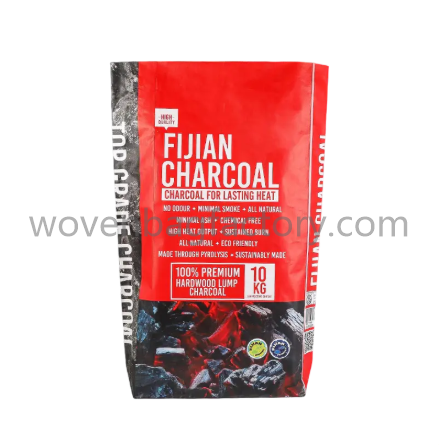
Choosing the right packaging partner can influence product protection, transportation efficiency, and long-term operating costs. For companies serving agriculture, construction, chemicals, and other bulk-material industries, a PP Woven Bag Factory can help connect material selection with practical packaging requirements. Polypropylene woven bags are produced by weaving plastic tapes into a durable fabric structure, creating packaging that balances strength, manageable weight, and versatility. For buyers, understanding the manufacturing process and the supplier’s approach to quality is an important step toward building a stable packaging supply chain.
Polypropylene is widely used in woven packaging because it offers a useful combination of mechanical strength, moisture resistance, and processing flexibility. The material can be converted into tapes, woven into fabric, and finished as bags designed for different handling environments. Compared with many heavier packaging alternatives, woven polypropylene products can be easier to transport and store when empty. Their relatively lightweight structure can also support efficient palletizing and distribution, depending on the bag design and the goods being packed.
Manufacturing begins with raw material preparation and tape extrusion. Polypropylene resin is melted and formed into thin film, which is then slit and stretched to improve tensile properties. The resulting tapes are wound onto bobbins and supplied to circular or flat weaving equipment. During weaving, the tapes interlace to create fabric with the strength and flexibility needed for packaging. Production control at each stage can influence fabric consistency, dimensional stability, and the performance of the finished bag.
Weaving is only one part of the process. The fabric may need to be laminated, coated, printed, cut, sewn, or fitted with additional components according to the intended application. Lamination can help improve moisture protection, while printing allows product names, handling instructions, company information, or other identification details to be displayed. Different bottom structures, openings, and closure methods can also affect filling speed and ease of discharge. Buyers should therefore assess the complete packaging design rather than evaluating the base fabric alone.
A dependable manufacturing operation relies on clearly defined quality procedures. Incoming material checks help ensure that production starts with suitable resin and supporting materials. During extrusion and weaving, manufacturers can monitor tape uniformity, fabric construction, and visible defects. Converting operations require attention to cutting dimensions, stitching quality, print placement, and finished-bag appearance. Sampling and documented inspection criteria make it easier to compare production batches and identify problems before goods are dispatched. The specific tests used should reflect the product’s intended load, storage conditions, and handling method.
Packaging requirements vary significantly between industries. Agricultural businesses may need bags for grain, seeds, animal feed, or fertilizers. Construction suppliers often require packaging for sand, cement-related materials, and other dry goods. Industrial customers may seek bags for powders, granules, or raw materials moving between processing facilities. Each application can involve different demands for load capacity, fabric construction, surface treatment, and resistance to routine handling. Clear communication about the packed material and distribution environment helps the manufacturer recommend a more suitable configuration.
Printing and customization also contribute to the commercial value of woven packaging. Readable graphics can support product identification in warehouses and retail environments, while consistent bag dimensions help customers organize filling, stacking, and storage operations. Businesses may request different colors, print layouts, sizes, and finishing methods to suit their product lines. However, customization should be based on operational needs rather than appearance alone. A well-planned design considers filling equipment, transport methods, storage space, and the expectations of the final user.
Supplier evaluation should extend beyond the quoted unit price. Buyers can review manufacturing capacity, communication practices, quality documentation, lead-time planning, and the supplier’s ability to maintain consistent specifications. It is also useful to establish clear requirements for sample approval, packaging for shipment, and handling of any production issues. These details help reduce misunderstandings when orders are repeated or when several product variations are managed at the same time. For international procurement teams, responsive communication can be particularly important when specifications and shipping schedules need coordination across different time zones.
Material efficiency is another consideration in packaging decisions. The useful life of a woven bag depends on its construction, intended use, and handling conditions. Some bags are designed for a single distribution cycle, while other applications may permit reuse after appropriate inspection. Lightweight packaging can reduce the amount of material transported per empty bag, but responsible purchasing still requires attention to durability, product protection, and end-of-life options available in the target market. Clear disposal guidance and suitable material choices can help businesses make more informed packaging decisions.
When evaluating a PP Woven Bag Factory, buyers benefit from discussing the full path from raw material processing to finished-bag inspection, along with the practical needs of the products being packed. HONGYANG supports woven packaging development for customers seeking dependable manufacturing coordination and application-focused solutions. Companies can review available packaging options and manufacturing capabilities at https://www.wovenbagfactory.com/product/kraft-paper-bag/ as they compare specifications, plan future orders, and develop packaging arrangements suited to their supply chains.

 English
 Arabic
 French
 Spanish
 Portuguese
 Deutsch
 Turkish
 Dutch
Dutch
 Italiano
 Russian
 Romaian
 Greek
Greek