


Golden triangle tour packages
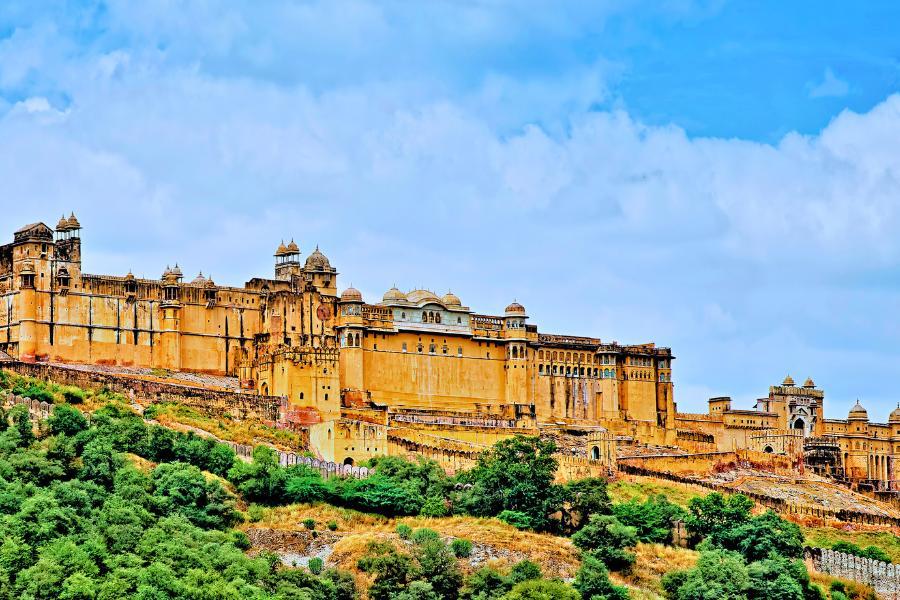
Golden Triangle Tour Packages: Explore Delhi, Agra and Jaipur
Golden Triangle Tour Packages are among the most popular ways to discover the cultural, historical, and architectural highlights of North India. The classic Golden Triangle connects three extraordinary cities—Delhi, Agra, and Jaipur—and gives travelers the opportunity to experience Mughal monuments, royal palaces, ancient forts, colorful markets, traditional cuisine, and the vibrant culture of India within one carefully planned journey. Whether you are visiting India for the first time, traveling with family, planning a romantic holiday, or looking for a private luxury experience, a Golden Triangle tour can be customized to match your travel style and budget.
The route is called the “Golden Triangle” because Delhi, Agra, and Jaipur form a roughly triangular circuit on the map. Delhi introduces travelers to India's capital and its remarkable mixture of historic and modern landmarks. Agra is home to the world-famous Taj Mahal and other magnificent Mughal monuments, while Jaipur offers the distinctive architecture, forts, palaces, handicrafts, and traditions of Rajasthan. The Government of India has long promoted the Delhi-Agra-Jaipur route as an important tourism circuit, including three-day and longer Golden Triangle itineraries.
What Is a Golden Triangle Tour?
A Golden Triangle Tour generally means a journey covering Delhi, Agra, and Jaipur, usually beginning and ending in Delhi. The exact order can vary, but a common itinerary starts in Delhi, travels to Agra, continues to Jaipur, and then returns to Delhi. Depending on the number of days available, travelers can spend one or more nights in each destination and add additional attractions or experiences along the route.
A standard Golden Triangle itinerary usually takes between four and seven days. A short four-day tour can cover the major highlights, while a five- or six-day itinerary provides a more comfortable pace. Travelers with seven days or more can add destinations such as Fatehpur Sikri, Abhaneri, Ranthambore, Pushkar, or other cultural and wildlife experiences.
One of the biggest advantages of a Golden Triangle package is convenience. Instead of arranging hotels, transportation, sightseeing, guides, and transfers separately, travelers can combine these services into a single itinerary. Private Golden Triangle tours can also be customized around arrival times, preferred hotels, sightseeing interests, and the amount of time available.
Why Choose Golden Triangle Tour Packages?
A Golden Triangle tour is particularly attractive because the three cities offer very different experiences. Delhi is a huge metropolitan city where ancient monuments stand alongside modern business districts, shopping areas, museums, and government buildings. Agra provides a concentrated experience of Mughal history, with the Taj Mahal as its centerpiece. Jaipur introduces travelers to Rajasthan's royal heritage through imposing forts, elaborate palaces, traditional markets, and colorful local culture.
The route is also practical for first-time visitors to India. Rather than attempting to understand a large country through many disconnected destinations, travelers can experience several important aspects of Indian history and culture through one relatively manageable circuit.
Another advantage is flexibility. Budget travelers can choose economical hotels and shared transportation, while couples and families can select private cars and comfortable accommodation. Luxury travelers can add premium hotels, private guides, curated dining experiences, and personalized sightseeing.
Delhi: The Starting Point of the Golden Triangle
Delhi is often the first destination on a Golden Triangle tour because it is one of India's major international gateways. The city provides a fascinating introduction to the country's history, architecture, food, and modern urban life.
A Delhi sightseeing itinerary can include the Red Fort, Jama Masjid, India Gate, Humayun's Tomb, Qutub Minar, Lotus Temple, Raj Ghat, and selected government landmarks. Old Delhi and New Delhi offer very different atmospheres, so travelers should ideally allow enough time to experience both.
Old Delhi is especially rewarding for visitors interested in history and food. The Red Fort, Jama Masjid, Chandni Chowk, and surrounding historic streets reveal the character of the old Mughal capital. Travelers can explore traditional markets, sample local food, or take a heritage walk.
New Delhi provides a contrasting experience with broad avenues, monumental government buildings, gardens, museums, and modern commercial districts. A well-designed tour combines the two sides of the city rather than spending the entire day in one neighborhood.
How Long Should You Stay in Delhi?
One full day can cover the most important highlights, but two days are preferable for travelers who want a more relaxed experience. A two-day Delhi itinerary can divide sightseeing between Old Delhi and Central/South Delhi.
If your Golden Triangle tour is only four days long, one day in Delhi may be sufficient for a highlights tour. However, travelers with five, six, or seven days should consider adding a second night because Delhi offers much more than its most famous monuments.
Agra: Home of the Taj Mahal
Agra is the second major destination on the Golden Triangle route and is usually the highlight for first-time visitors. The city was an important center of the Mughal Empire and contains some of India's most famous architectural treasures.
The Taj Mahal is the principal attraction. The official Taj Mahal website states that the monument normally opens 30 minutes before sunrise and closes 30 minutes before sunset, and it remains closed to general visitors every Friday.
This makes the timing of your Golden Triangle itinerary particularly important. If the Taj Mahal is one of your main reasons for visiting India, try to schedule your Agra stay so that you can visit early in the morning. Sunrise is specifically recommended by the official Taj Mahal tourism information as a preferred time for many visitors because of the softer light, lower heat, and generally smaller crowds.
Taj Mahal Ticket Information
Current official information lists the Taj Mahal entry fee for Indian/OCI visitors at ₹50, with an optional additional ₹200 ticket for access to the main mausoleum. The listed foreign-tourist fee is ₹1,100, plus ₹200 for the optional main mausoleum visit. SAARC and BIMSTEC visitors are listed at ₹540, with the same additional ₹200 option. Children below 15 years do not pay an entry fee.
Visitors should always check the official ticketing information close to their travel date because monument rules and charges can change. The official website also states that Taj Mahal tickets can be obtained through the designated online ticketing system, while ticket windows are available at the eastern and western gates.
Agra Fort
A good Golden Triangle package should not treat Agra as a one-attraction destination. Agra Fort is another major historical landmark and provides an important complement to the Taj Mahal. The massive fort complex contains palaces, halls, courtyards, and views toward the Taj Mahal.
According to the official Taj Mahal tourism website, Agra Fort is open from sunrise to sunset. The current listed entry fee is ₹50 for Indian visitors and ₹650 for foreign tourists, with different Friday rates shown on the official ticketing information. Children below 15 years are exempt from the entry fee.
Other Agra Attractions
Depending on the length of your tour, Agra can also include Itimad-ud-Daulah, commonly called the Baby Taj, Mehtab Bagh, Akbar's Tomb at Sikandra, and Fatehpur Sikri.
The official Agra tourism information lists Taj Mahal, Agra Fort, Fatehpur Sikri, Itimad-ud-Daulah, Akbar's Tomb, Mehtab Bagh, and several other heritage attractions among the city's tourism resources.
This is one reason a one-night Agra stay can be more rewarding than treating the city as nothing more than a quick stop between Delhi and Jaipur.
Jaipur: The Pink City
Jaipur is the third point of the Golden Triangle and offers a completely different atmosphere from Delhi and Agra. Known as the Pink City, Jaipur is famous for its historic forts, palaces, colorful markets, traditional crafts, and distinctive Rajasthani architecture.
The city is particularly attractive to travelers who want to experience India's royal heritage. A Jaipur sightseeing itinerary commonly includes Amber Fort, City Palace, Hawa Mahal, Jantar Mantar, Jal Mahal, and local markets.
Amber Fort
Amber Fort is one of Jaipur's most impressive attractions. Located outside the central city area, the fort combines dramatic hilltop scenery with elaborate courtyards, palaces, gateways, and decorative architecture.
Travelers should allow several hours for Amber Fort because the complex is much larger than it may appear from photographs. A private guide can also help explain the history and architectural features of the palace complex.
City Palace
City Palace provides another perspective on Jaipur's royal history. The complex contains courtyards, buildings, museums, and decorative elements that showcase the traditions of the former Jaipur royal family.
It is conveniently located in the historic center of Jaipur and can be combined with nearby attractions and markets.
Hawa Mahal
Hawa Mahal, or the Palace of Winds, is perhaps Jaipur's most recognizable façade. Its distinctive windows and pink exterior make it one of the most photographed locations in the city.
Although many travelers stop outside for photographs, including time to explore the surrounding old city makes the experience more interesting. Jaipur's historic streets, markets, handicraft shops, and food provide much more than a single monument.
Best Golden Triangle Tour Packages by Duration
3-Day Golden Triangle Tour
A three-day Golden Triangle tour is possible but requires a fast pace. A typical schedule might include Delhi sightseeing on the first day, Agra on the second day, and Jaipur on the third day.
This option works best for travelers with extremely limited time. However, it is not ideal if you want a relaxed vacation because there will be significant travel and limited time in each destination.
4-Day Golden Triangle Tour
A four-day tour provides a better balance. One possible itinerary is Delhi on day one, Agra on day two, Jaipur on day three, and additional Jaipur sightseeing followed by departure on day four.
This is a good option for travelers who want to see the major highlights without spending a full week on the route.
5-Day Golden Triangle Tour
Five days is one of the most practical choices. Travelers can spend two days in Delhi, one night in Agra, and two days in Jaipur, or adjust the distribution according to their interests.
This itinerary allows enough time for the Taj Mahal, Agra Fort, major Jaipur attractions, and important Delhi landmarks without making every day excessively rushed.
6-Day Golden Triangle Tour
A six-day itinerary provides greater flexibility. Travelers can spend two nights in Delhi, one or two nights in Agra, and two nights in Jaipur.
The additional time can be used for heritage walks, local food, shopping, photography, or additional monuments. It also gives the itinerary more flexibility in case of traffic delays or changes in sightseeing plans.
7-Day Golden Triangle Tour
A seven-day Golden Triangle holiday is ideal for travelers who want a relaxed experience. Additional destinations can be added, or the three principal cities can simply be explored in greater depth.
Travelers can consider adding Fatehpur Sikri between Agra and Jaipur, a wildlife experience near Ranthambore, or cultural excursions depending on the season and route.
Delhi Agra Jaipur Tour Package
The classic Delhi Agra Jaipur tour package is usually designed as a private or small-group journey. Delhi is generally the arrival and departure point, while Agra and Jaipur form the middle portion of the circuit.
A private car is particularly useful because it provides door-to-door transportation and allows travelers to stop at attractions along the route. It also makes it easier to adjust departure times around the Taj Mahal's visiting hours.
For travelers arriving at Delhi airport, the itinerary can begin with airport pickup and hotel check-in, followed by sightseeing depending on arrival time. The following morning can be dedicated to Old Delhi or New Delhi before traveling toward Agra.
Golden Triangle Tour with Taj Mahal
For many international visitors, the Taj Mahal is the central attraction of the entire Golden Triangle itinerary. If this is your priority, make sure the package gives you adequate time in Agra.
A poorly planned itinerary may arrive in Agra late in the day and leave early the next morning, leaving little flexibility. A better approach is to reach Agra in the afternoon, visit another attraction such as Agra Fort, stay overnight, and visit the Taj Mahal early the following morning.
The official Taj Mahal website confirms that sunrise visits are permitted because the monument opens 30 minutes before sunrise on normal operating days.
Travelers should also remember that the Taj Mahal is closed every Friday for general viewing. If your itinerary includes the Taj Mahal, check the weekday before finalizing the sequence of Delhi, Agra, and Jaipur.
Golden Triangle Tour from Delhi
Delhi is the most common starting point for Golden Triangle tours because of its international and domestic transport connections. Travelers can begin with airport pickup, spend one or two days sightseeing, and then continue by road to Agra.
A private road journey offers the most flexibility, while train travel can be useful for travelers who prefer rail transportation. The best choice depends on the group size, luggage, budget, and desired level of convenience.
Families and couples often prefer private cars because the vehicle remains available throughout the itinerary. Budget travelers may prefer trains or shared tours.
Golden Triangle Tour from Agra
Travelers who are already in Agra can also begin their Golden Triangle tour there. This is particularly convenient for visitors who have already arrived in the city for a Taj Mahal visit.
A customized itinerary can start with Agra sightseeing, continue to Jaipur, and finish in Delhi. This arrangement avoids unnecessary backtracking and can work well for travelers who are already staying in Agra.
Agra is well connected by road and rail, making it a practical point from which to continue toward Jaipur or Delhi. The Ministry of Tourism has also identified Agra as an important hub for tourism circuits in the region.
Golden Triangle Tour by Private Car
Private-car Golden Triangle tours are among the most convenient options. A dedicated vehicle gives travelers control over departure times, sightseeing stops, meal breaks, and hotel transfers.
Private transportation is especially valuable for families and groups because the cost can be divided among several travelers. Couples may also prefer private cars because they provide greater privacy and flexibility.
When comparing private-car packages, ask whether fuel, tolls, parking, driver allowance, interstate taxes, and waiting charges are included. These details can significantly affect the final cost.
Golden Triangle Tour by Train
Train travel can be a good alternative for travelers who want to reduce road travel. Delhi, Agra, and Jaipur are all connected by rail services, although exact schedules and availability depend on the travel date.
A train-based itinerary can be particularly useful for travelers who enjoy railway journeys or want to avoid some road traffic. However, transfers between railway stations, hotels, and monuments still need to be arranged.
For travelers carrying substantial luggage or traveling with young children, a private vehicle may remain more convenient.
Luxury Golden Triangle Tour Packages
Luxury Golden Triangle packages are designed for travelers who want premium accommodation, private transportation, professional guides, and personalized experiences.
Luxury travelers can stay in heritage-style properties or high-end hotels and arrange private sightseeing throughout the journey. The itinerary can also include fine dining, cultural performances, spa experiences, private shopping assistance, and other premium activities.
A luxury tour should focus on comfort rather than simply adding more attractions. Spacious vehicles, centrally located hotels, flexible sightseeing schedules, and knowledgeable guides can make the experience substantially better.
Budget Golden Triangle Tour Packages
Budget travelers can experience the Golden Triangle without spending excessively. The main ways to reduce costs are choosing economical accommodation, using trains or shared transportation, limiting private guide services, and selecting only the attractions that matter most.
However, travelers should be cautious about extremely cheap packages. Some low-priced tours may exclude monument tickets, meals, parking, guide fees, or certain transportation expenses.
Always compare the complete inclusions rather than comparing only the headline price.
Golden Triangle Tour Packages for Families
Families should choose a slightly slower itinerary than solo travelers or young couples. Children may not enjoy spending an entire day visiting monuments, so the schedule should combine historical attractions with food, markets, gardens, cultural activities, and periods of rest.
A private vehicle is particularly useful for families because luggage remains in the vehicle and parents can adjust the schedule if children become tired.
A five- or six-day itinerary is generally more comfortable than trying to complete the entire circuit in three days.
Golden Triangle Tour Packages for Couples
Couples can customize the Golden Triangle around romance, photography, culture, food, and luxury accommodation. Agra is naturally an important stop for couples because of the Taj Mahal, but Delhi and Jaipur also offer plenty of memorable experiences.
A sunrise Taj Mahal visit can provide a particularly beautiful start to an Agra morning. The official Taj Mahal tourism information notes that early morning is preferred by many visitors for the softer light and lower heat.
Jaipur can then provide a colorful contrast through palace architecture, rooftop dining, traditional markets, and heritage hotels.
Best Time for a Golden Triangle Tour
The cooler months are generally the most comfortable period for a Golden Triangle trip. October through March is popular for sightseeing because temperatures are generally more suitable for walking around monuments and exploring outdoor attractions.
Winter mornings can sometimes bring fog, particularly around Delhi and Agra. This can affect visibility and transportation, so travelers should maintain some flexibility in their itinerary.
Summer can be very hot, making early-morning and late-afternoon sightseeing preferable. The monsoon season can bring rain but may also provide a different perspective on the monuments and landscapes.
Regardless of season, travelers should carry comfortable footwear, sun protection, drinking water where permitted, and weather-appropriate clothing.
What Is Included in Golden Triangle Tour Packages?
The exact inclusions depend on the tour operator and package category. A typical private Golden Triangle package may include hotel accommodation, breakfast, private air-conditioned vehicle, driver, airport or railway transfers, intercity transportation, and sightseeing.
Some packages also include professional tour guides, monument entrance tickets, meals, cultural performances, and special activities.
Before booking, ask for a detailed list of inclusions and exclusions. Confirm whether monument entrance fees are included, because ticket prices can differ significantly for Indian and international visitors.
For the Taj Mahal in particular, check whether the optional main-mausoleum ticket is included in the package. The official Taj Mahal website currently lists this as an additional ₹200 charge.
Golden Triangle Tour Package Cost
The price of a Golden Triangle tour varies according to the number of days, hotel category, transportation, number of travelers, guide services, season, and included activities. A budget group tour can be relatively inexpensive, while a private luxury itinerary can cost considerably more.
A four-day budget package may focus on economical hotels and basic transportation, whereas a five- or seven-day private package can include better hotels, private guides, premium vehicles, and additional excursions.
For an accurate quotation, travelers should provide their travel dates, number of people, hotel preference, arrival and departure points, and preferred transportation. This makes it possible to compare packages on a like-for-like basis.
How to Choose the Best Golden Triangle Tour Package
The best Golden Triangle package is not necessarily the cheapest one. Look for an itinerary that provides enough time at each destination and does not schedule an unrealistic number of attractions in one day.
Check the following before booking:
-
Number of days and nights
-
Delhi, Agra, and Jaipur sightseeing itinerary
-
Hotel category and location
-
Private or shared transportation
-
Vehicle type
-
Professional guide availability
-
Monument entrance fees
-
Meals and breakfast
-
Airport and railway transfers
-
Toll, parking, and driver charges
-
Cancellation policy
-
Any additional excursions
-
Whether the Taj Mahal visit is scheduled on a non-Friday day
The final point is particularly important because the Taj Mahal is closed for general viewing every Friday.
Golden Triangle Tour with Fatehpur Sikri
Fatehpur Sikri is an excellent addition to a longer Golden Triangle itinerary. Located near Agra, the historic city was associated with Emperor Akbar and contains impressive Mughal-era architecture.
Travelers traveling from Agra toward Jaipur can potentially include Fatehpur Sikri along the route. This makes it an efficient addition because it does not necessarily require a separate return journey from Agra.
The official Agra tourism information lists Fatehpur Sikri among the major heritage attractions of the region.
Golden Triangle and Rajasthan Extension
Travelers with additional time can extend their Golden Triangle tour beyond Jaipur. Rajasthan offers destinations such as Jodhpur, Udaipur, Pushkar, Bikaner, and Ranthambore.
A seven- to ten-day itinerary can combine the Golden Triangle with one or two Rajasthan destinations. This provides a broader understanding of North Indian history and culture.
Ranthambore can be particularly attractive to travelers interested in wildlife, while Udaipur is popular for lakes and palace architecture and Jodhpur is known for its imposing fort and distinctive blue cityscape.
Tips for a Smooth Golden Triangle Tour
Plan your Taj Mahal visit carefully and avoid scheduling it on Friday. Keep some flexibility for traffic, particularly when traveling by road between major cities. Start sightseeing early when possible, especially during warmer months.
Carry identification documents because the official Taj Mahal tourism information advises visitors to carry government-issued identity proof. Large bags and prohibited items should be avoided at the Taj Mahal because security checks can take additional time.
Drone cameras are prohibited inside and around the Taj Mahal, and several other items are also restricted. The official Taj Mahal guidance advises visitors to check the prohibited-item rules before entering.
Most importantly, do not try to turn the Golden Triangle into a race. The purpose of the journey is to experience three very different destinations, not simply collect photographs of their most famous monuments.
Why the Golden Triangle Is Perfect for First-Time Visitors to India
For someone visiting India for the first time, the Golden Triangle offers an unusually broad introduction to the country. Delhi demonstrates the complexity of a modern Indian capital and its many layers of history. Agra showcases the extraordinary architectural legacy of the Mughal period, centered around the Taj Mahal. Jaipur introduces the royal traditions, architecture, crafts, cuisine, and colorful culture of Rajasthan.
The journey also provides variety in a relatively compact itinerary. Travelers can move from busy urban streets to monumental Mughal architecture and then to the forts and palaces of Rajasthan.
That variety is the main reason Golden Triangle tour packages remain so popular. A well-designed itinerary can provide history, architecture, food, shopping, photography, culture, and relaxation in one journey.
Conclusion
Golden Triangle Tour Packages offer one of the most convenient and rewarding ways to explore North India. By combining Delhi, Agra, and Jaipur, travelers can experience three destinations with dramatically different personalities while enjoying a manageable travel route.
Delhi provides historic monuments, modern landmarks, markets, museums, and an energetic metropolitan atmosphere. Agra brings travelers face to face with the Taj Mahal, Agra Fort, and the extraordinary Mughal heritage of the region. Jaipur completes the journey with magnificent forts, palaces, markets, handicrafts, and the colorful traditions of Rajasthan.
For most travelers, a five- or six-day Golden Triangle tour offers an excellent balance between sightseeing and relaxation. Shorter packages work for travelers with limited time, while seven-day or longer itineraries allow additional excursions and a slower pace.
The key to a successful Golden Triangle holiday is choosing a package that matches your priorities rather than simply choosing the lowest advertised price. Compare the hotels, transportation, sightseeing schedule, guide services, monument tickets, and other inclusions carefully. With the right planning, the Delhi-Agra-Jaipur circuit can become an unforgettable introduction to India's history, architecture, cuisine, and cultural diversity.
Frequently Asked Questions About Golden Triangle Tour Packages
1. What cities are included in the Golden Triangle Tour?
The classic Golden Triangle consists of Delhi, Agra, and Jaipur. Delhi is usually the starting and ending point, Agra is the second destination, and Jaipur completes the circuit.
2. How many days are required for a Golden Triangle tour?
A three- or four-day tour can cover the major highlights, but five to seven days is generally more comfortable. Additional days allow travelers to explore the destinations without rushing and add attractions such as Fatehpur Sikri or other excursions.
3. What is the best time for a Golden Triangle tour?
October through March is generally a popular period because the weather is more comfortable for sightseeing. Winter mornings can sometimes be foggy, while summer temperatures can be very high.
4. Is the Taj Mahal included in Golden Triangle tour packages?
Yes. The Taj Mahal is normally one of the central attractions of a Golden Triangle tour. Travelers should ensure that their Agra itinerary is scheduled on a day other than Friday because the Taj Mahal is closed for general viewing every Friday.
5. Is a private Golden Triangle tour better than a group tour?
A private tour offers greater flexibility with departure times, sightseeing duration, hotels, restaurants, and attractions. Group tours can be more economical and are suitable for travelers who prefer a fixed itinerary and lower costs.
6. Can I start the Golden Triangle tour from Agra?
Yes. Travelers already in Agra can start with the Taj Mahal and Agra Fort, then continue to Jaipur and Delhi. This can be particularly convenient for travelers who are already visiting Agra or arriving from another destination.
7. Can the Golden Triangle tour include Fatehpur Sikri?
Yes. Fatehpur Sikri can be added to longer itineraries, particularly when traveling between Agra and Jaipur. It is one of the important heritage attractions in the Agra region.
8. What should I check before booking a Golden Triangle tour package?
Check the number of days, hotel category, transportation, guide services, monument tickets, meals, transfers, taxes, parking, tolls, cancellation policy, and exact sightseeing itinerary. Most importantly, verify that the Taj Mahal visit does not fall on Friday.

 English
 Arabic
 French
 Spanish
 Portuguese
 Deutsch
 Turkish
 Dutch
Dutch
 Italiano
 Romaian
 Portuguese (Brazil)
 Greek
Greek