


Golden triangle tours
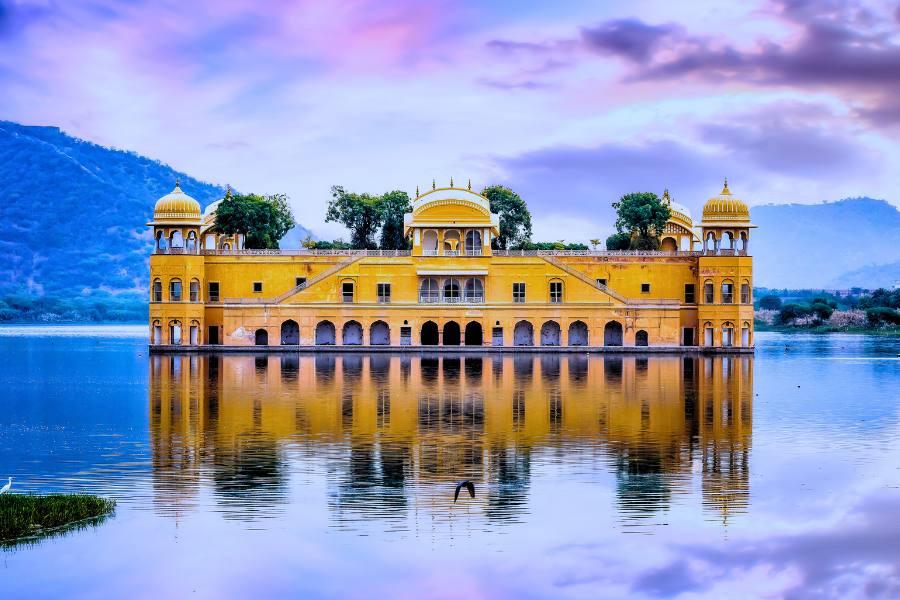
Golden Triangle Tours: Explore Delhi, Agra and Jaipur
Golden Triangle tours are among the most popular travel experiences in India, connecting three remarkable cities: Delhi, Agra, and Jaipur. Together, these destinations offer an unforgettable combination of history, architecture, culture, food, shopping, and traditional Indian experiences.
The route is called the “Golden Triangle” because the three cities form a roughly triangular shape on the map. Delhi represents India's political and cultural capital, Agra is home to the world-famous Taj Mahal, and Jaipur introduces travelers to the colorful royal heritage of Rajasthan.
For first-time visitors to India, a Golden Triangle tour is an excellent way to experience several sides of the country during a single trip. In one itinerary, you can explore Mughal forts and tombs, admire magnificent palaces, walk through colorful markets, taste regional cuisine, and experience the contrast between modern Indian cities and historic royal architecture.
What Is a Golden Triangle Tour?
A Golden Triangle tour in India normally covers Delhi, Agra, and Jaipur.
The traditional route begins in Delhi, continues to Agra, and finishes in Jaipur before returning to Delhi. Some travelers choose to start in Jaipur or finish elsewhere depending on their international flight schedule.
The route is popular because the three cities are relatively close compared with many other Indian destinations. This makes it possible to experience a wide variety of attractions without spending most of the holiday traveling long distances.
Each destination has a distinct personality.
Delhi combines ancient history with modern urban life.
Agra is famous for the Taj Mahal and Mughal architecture.
Jaipur is known for royal palaces, impressive forts, colorful bazaars, and Rajasthan's distinctive culture.
Together, they create a balanced introduction to northern India.
Why Choose a Golden Triangle Tour?
One of the biggest advantages of a Golden Triangle tour is variety.
Imagine beginning your journey among the historic streets of Old Delhi, then standing before the Taj Mahal in Agra, and finally walking through the magnificent courtyards of Jaipur's royal palaces.
Each day can feel completely different.
The route is also suitable for different types of travelers. Couples can enjoy romantic monuments and luxury experiences, families can explore forts and colorful markets, history enthusiasts can spend days examining architecture, and photographers can find countless opportunities for memorable images.
For travelers visiting India for the first time, the Golden Triangle provides a manageable introduction to the country before exploring more remote destinations.
Delhi: The Starting Point of the Golden Triangle
Delhi is usually the first stop on a Golden Triangle itinerary.
India's capital is a fascinating mixture of ancient monuments, colonial architecture, modern neighborhoods, religious sites, markets, and restaurants.
The city can seem overwhelming when you first arrive, but that energy is part of what makes Delhi memorable.
Red Fort
The Red Fort is one of Delhi's most important historic landmarks.
Built during the Mughal period, the massive red sandstone complex contains courtyards, palaces, halls, gardens, and other structures.
Its imposing walls provide an impressive introduction to India's Mughal heritage.
Jama Masjid
Located close to the Red Fort, Jama Masjid is one of the most famous mosques in Delhi.
Its large courtyard, grand entrances, domes, and minarets make it an important architectural attraction.
The surrounding Old Delhi neighborhood is equally interesting, particularly for travelers who enjoy street food and traditional markets.
India Gate
India Gate provides a contrast to Old Delhi's Mughal monuments.
The monumental arch stands along a broad avenue surrounded by lawns and open spaces. The area becomes particularly lively in the evening.
Humayun's Tomb
Humayun's Tomb is another essential Delhi attraction.
The monument's symmetrical architecture, gardens, arches, red sandstone, and marble details make it one of the city's most beautiful historic sites.
Qutub Minar
The Qutub Minar rises dramatically above an archaeological complex in southern Delhi.
The surrounding ruins and monuments make the site an excellent destination for travelers interested in medieval Indian history.
How Many Days Do You Need in Delhi?
Ideally, spend at least two days exploring Delhi.
One day can cover Old Delhi and central attractions, while another can be dedicated to southern Delhi and additional cultural experiences.
A one-day visit is possible, but you will need to prioritize.
A typical two-day itinerary could include:
| Day | Main Attractions |
|---|---|
| Day 1 | Red Fort, Jama Masjid, Old Delhi, India Gate |
| Day 2 | Humayun's Tomb, Qutub Minar, Lotus Temple, local markets |
Avoid trying to visit every attraction in one day. Delhi traffic can be unpredictable, and sightseeing is much more enjoyable when you have time to explore without constantly checking the clock.
Agra: Home of the Taj Mahal
After Delhi, the Golden Triangle route usually continues to Agra.
Agra is best known for the Taj Mahal, but the city has much more historical significance than one monument.
During the Mughal period, Agra was an important imperial center. The city is filled with monuments that tell the story of one of India's most influential historical periods.
Taj Mahal
The Taj Mahal is the undisputed highlight of Agra.
Commissioned by Mughal emperor Shah Jahan in memory of Mumtaz Mahal, the monument is famous for its white marble architecture, symmetrical gardens, decorative inlay, calligraphy, and enormous central dome.
The experience is different depending on when you visit.
Early morning can provide softer light and cooler temperatures, while afternoon light can reveal different details in the marble.
Give yourself enough time to walk through the gardens and appreciate the monument from different angles.
Agra Fort
Agra Fort is another major attraction.
The enormous red sandstone complex contains palaces, courtyards, audience halls, mosques, and royal residences.
The fort also has an important connection to the Taj Mahal and provides an excellent historical complement to your visit.
Itmad-ud-Daulah's Tomb
Often called the “Baby Taj,” this elegant marble tomb is known for its detailed decorative work and stone inlay.
It is a quieter attraction than the Taj Mahal and can be a worthwhile addition to an Agra itinerary.
Jaipur: The Pink City
The final major destination on the Golden Triangle is Jaipur, the capital of Rajasthan.
Jaipur is often called the Pink City because of the distinctive color of many historic buildings in its old city.
Compared with Delhi and Agra, Jaipur has a stronger connection to Rajasthan's royal heritage.
The city is famous for forts, palaces, traditional markets, handicrafts, jewelry, textiles, and colorful streets.
Amber Fort
Amber Fort is one of Jaipur's most impressive attractions.
Located on a hill overlooking the surrounding landscape, the fort combines Rajput and Mughal architectural influences.
Inside, visitors can explore courtyards, palaces, decorated halls, gates, and terraces.
Allow several hours if you want to explore the complex properly.
City Palace
The City Palace sits in the heart of Jaipur and remains one of the city's most important attractions.
The complex contains courtyards, royal buildings, museums, decorative gateways, and historic collections.
It provides an excellent introduction to Jaipur's royal history.
Hawa Mahal
Hawa Mahal, or the Palace of Winds, is one of Jaipur's most recognizable buildings.
Its distinctive façade contains numerous small windows and decorative elements.
The building is especially photogenic in the morning when sunlight illuminates its façade.
Jantar Mantar
Jantar Mantar is a fascinating astronomical site containing enormous stone and masonry instruments.
The complex demonstrates the sophisticated astronomical knowledge used in India centuries ago.
It is a particularly interesting attraction for travelers who want something different from forts and palaces.
Ideal Golden Triangle Tour Itinerary
A classic Golden Triangle itinerary takes between five and seven days.
A seven-day schedule provides a comfortable balance between sightseeing and travel.
| Day | Destination | Suggested Highlights |
|---|---|---|
| Day 1 | Delhi | Arrival and local sightseeing |
| Day 2 | Delhi | Old Delhi and historic landmarks |
| Day 3 | Agra | Taj Mahal and Agra Fort |
| Day 4 | Jaipur | Travel to Jaipur and local sightseeing |
| Day 5 | Jaipur | Amber Fort and City Palace |
| Day 6 | Jaipur | Markets and cultural experiences |
| Day 7 | Delhi | Return journey or departure |
Travelers with limited time can complete the route in four or five days, but the itinerary will be faster and more demanding.
If you have more than a week, consider adding destinations such as Fatehpur Sikri, Ranthambore, or additional locations in Rajasthan.
Golden Triangle Tour by Car
Traveling by private car is one of the most flexible ways to explore the Golden Triangle.
You can leave when convenient, stop along the route, and adjust your schedule based on your interests.
Road travel also makes it easier to visit attractions located outside the main city centers.
The main disadvantage is traffic. Journey times can vary, especially around Delhi and Jaipur.
For families and groups, however, a private vehicle can be particularly convenient.
Golden Triangle Tour by Train
Train travel is another popular option.
Delhi, Agra, and Jaipur are connected by India's extensive railway network, and trains can be a comfortable way to travel between the cities.
Train journeys are particularly useful for travelers who want to reduce road travel.
However, you will need additional transportation to reach your hotel and individual attractions.
A combination of trains and local transportation can therefore work very well for independent travelers.
Best Time for Golden Triangle Tours
The best time for a Golden Triangle tour is generally from October through March.
During these months, temperatures are usually more comfortable for sightseeing.
Winter mornings can sometimes be cold or foggy, particularly in Delhi and Agra, but daytime conditions are generally pleasant.
April through June can be extremely hot, especially when visiting outdoor forts and monuments.
The monsoon season brings humidity and rainfall but can also produce greener landscapes.
If you are traveling during summer, schedule outdoor sightseeing for the morning and late afternoon whenever possible.
Golden Triangle Tours for Families
The Golden Triangle is a good choice for family travel, but children may find long sightseeing days tiring.
Avoid packing too many attractions into a single day.
Give children time to rest, drink water, and enjoy meals.
Forts and palaces can be particularly interesting for younger travelers because they provide opportunities to explore large courtyards, gates, towers, and historic rooms.
Families should also choose comfortable transportation and accommodation with convenient access to major attractions.
Golden Triangle Tours for Couples
The Golden Triangle is also an excellent romantic itinerary.
The Taj Mahal naturally becomes the centerpiece of a couple's trip, but Jaipur offers many opportunities for romantic experiences as well.
Sunset views, heritage architecture, traditional dining, palace-style accommodations, and evening walks through historic neighborhoods can add a special atmosphere to the journey.
Couples should avoid rushing from one attraction to another. Leaving time for relaxed meals and spontaneous experiences often makes the trip more memorable.
Shopping on a Golden Triangle Tour
Shopping is another major attraction of the Golden Triangle.
Delhi offers everything from modern shopping centers to traditional markets.
Agra is known for marble handicrafts, decorative items, leather goods, textiles, and souvenirs.
Jaipur is particularly famous for jewelry, gemstones, textiles, block-printed fabrics, handicrafts, carpets, and traditional clothing.
If you plan to shop, compare prices at several stores and make sure you understand exactly what you are purchasing.
For expensive items such as gemstones, request proper documentation and buy only from reputable sellers.
Food on the Golden Triangle Route
Food is an essential part of any Golden Triangle experience.
Delhi is famous for street food and North Indian cuisine. Old Delhi is particularly well known for traditional Mughlai dishes, kebabs, breads, sweets, and snacks.
Agra offers Mughlai cuisine and its famous petha sweet.
Jaipur introduces visitors to Rajasthani specialties such as dal baati churma, gatte ki sabzi, and other regional dishes.
Trying local cuisine in each city makes the journey feel more diverse.
For street food, choose busy stalls where food is prepared fresh and there is a high turnover of customers.
How Much Does a Golden Triangle Tour Cost?
The cost of a Golden Triangle tour depends on your travel style.
Budget travelers can use trains, public transportation, affordable hotels, and local restaurants.
Mid-range travelers can choose comfortable hotels, private transfers, and selected guided experiences.
Luxury travelers can stay in heritage properties, travel privately, enjoy fine dining, and add customized experiences.
A simple cost structure includes:
| Expense | Budget | Mid-Range | Luxury |
|---|---|---|---|
| Accommodation | Guesthouse | 3–4 star hotel | Luxury/heritage hotel |
| Transportation | Train/bus | Private car | Premium private vehicle |
| Food | Local restaurants | Comfortable restaurants | Fine dining |
| Sightseeing | Self-guided | Selected guides | Private experiences |
| Shopping | Local markets | Handicrafts | Premium products |
There is no single correct way to experience the Golden Triangle. The best itinerary is the one that matches your time, interests, and budget.
Tips for a Successful Golden Triangle Tour
Start your sightseeing early, particularly during the hotter months.
Wear comfortable walking shoes because forts, palaces, gardens, and historic complexes can involve considerable walking.
Carry water, sunscreen, sunglasses, and a hat when necessary.
Keep your itinerary flexible. Traffic and unexpected delays are part of traveling in a busy country.
Do not try to see every attraction.
Instead, choose the landmarks that genuinely interest you and allow enough time to enjoy them.
When visiting religious buildings, dress respectfully and follow local photography rules.
Finally, keep copies of important travel documents and secure your valuables in crowded markets and transportation hubs.
Is the Golden Triangle Tour Worth It?
Absolutely.
The Golden Triangle remains popular because it delivers an extraordinary amount of variety within a relatively compact travel route.
In less than a week, you can experience India's capital, stand before the Taj Mahal, explore Mughal forts, walk through Rajput palaces, shop in colorful bazaars, and taste regional cuisines.
Few travel itineraries provide such a diverse introduction to Indian history and culture.
The route is also flexible. You can travel independently, hire transportation, use trains, or combine different travel styles.
Whether you have four days or ten days, the Golden Triangle can be adapted to your schedule.
Conclusion
Golden Triangle tours provide one of the best introductions to India.
Delhi offers history, modern city life, markets, and diverse cultures. Agra brings the unforgettable Taj Mahal and magnificent Mughal architecture. Jaipur completes the journey with Rajasthan's colorful royal heritage, spectacular forts, palaces, and traditional markets.
For first-time visitors, the route offers a balanced mixture of sightseeing, culture, food, shopping, and history.
The secret to enjoying the Golden Triangle is to avoid treating it as a race. Give yourself enough time to appreciate each destination, take breaks between sightseeing, and leave room for unexpected discoveries.
India can be overwhelming, but the Golden Triangle gives you a manageable way to begin understanding its incredible diversity.
And once you have experienced Delhi, Agra, and Jaipur, you may find yourself wanting to travel much farther into India.
Frequently Asked Questions
1. What are the three cities in the Golden Triangle?
The three cities are Delhi, Agra, and Jaipur. Delhi is India's capital, Agra is home to the Taj Mahal, and Jaipur is the capital of Rajasthan.
2. How many days are needed for a Golden Triangle tour?
A five- to seven-day itinerary is ideal for first-time visitors. Four days is possible for travelers with limited time, while seven or more days allows for a more relaxed experience.
3. What is the best month for a Golden Triangle tour?
The period from October to March is generally the most comfortable for sightseeing. December and January can have cold mornings and fog, while April to June can be very hot.
4. Can I do the Golden Triangle by train?
Yes. Delhi, Agra, and Jaipur are connected by railway services. Train travel can be a convenient and economical option, particularly for independent travelers.
5. Which city should I visit first?
Delhi is the traditional starting point, followed by Agra and Jaipur. However, you can begin in Jaipur or another city depending on your flight and travel plans.
6. Is the Golden Triangle suitable for families?
Yes. Families can enjoy the forts, palaces, monuments, markets, and food experiences. It is best to avoid overly packed schedules and allow regular rest periods.
7. Is the Golden Triangle safe for tourists?
The Golden Triangle is a well-established tourist route. As with travel anywhere, visitors should use common-sense precautions, protect valuables, use reliable transportation, and remain aware of their surroundings.
8. Can I add the Taj Mahal sunrise to a Golden Triangle tour?
Yes. A sunrise visit to the Taj Mahal can be incorporated into an Agra itinerary. It is particularly popular with photographers and travelers who prefer cooler morning temperatures and softer light.

 English
 Arabic
 French
 Spanish
 Portuguese
 Deutsch
 Turkish
 Dutch
Dutch
 Italiano
 Romaian
 Portuguese (Brazil)
 Greek
Greek