


Types of Sticker Weeds: Common Lawn Stickers and How to Remove Them
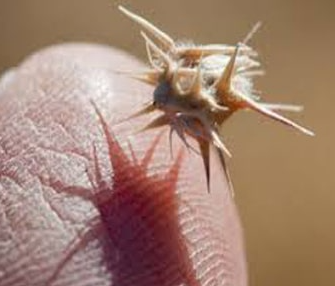
Walking barefoot across your lawn should not end with a sharp sticker in your foot. However, many yards develop weeds that produce painful burrs, seeds, or thorns.
Learning the types of lawn sticker weeds can help you control the problem early. Some weeds spread along the ground. Others grow upright and produce hundreds of sharp seeds.
These weeds can also stick to shoes, clothes, pet fur, and lawn equipment. As a result, they can quickly move across your property.
Knowing the common types of stickers weeds makes identification much easier. More importantly, you can choose the right removal method before they produce more seeds.
Why Do Sticker Weeds Grow in Lawns?
Sticker weeds often grow where grass is thin or weak. Bare soil gives weed seeds enough space to sprout.
Poor lawn care can also increase the problem. For example, mowing too short may weaken healthy grass. In addition, dry soil can create open areas where weeds grow.
Many common sticker weeds also handle hot and dry weather well. Therefore, they may keep growing when lawn grass struggles.
Once the plants produce burrs, the problem becomes harder to control. Each burr may carry seeds to another part of the yard.
1. Sandbur
Sandbur is one of the most common types of lawn sticker weeds in warm areas. It often grows in sandy or dry soil.
The plant looks like grass during its early growth. Therefore, homeowners may not notice it right away.
Later, sandbur forms sharp seed heads. These burrs can stick to shoes, socks, pet fur, and skin.
Sandbur spreads quickly because each mature plant can produce many seeds. For this reason, removing the plant before seed production is important.
A thick lawn also helps reduce future growth. Healthy grass leaves less open soil for new sandbur plants.
2. Puncturevine or Goat Head
Puncturevine is another painful sticker weed. Many people also call it goat head.
This low-growing plant spreads across the soil. It produces small yellow flowers before forming hard, sharp seed pods.
The shape of these pods makes puncturevine one of the worst common sticker weeds. Its thorns can hurt bare feet and animal paws. They may even puncture bicycle tires.
Pull young plants before they form seeds. However, removing mature plants does not remove every burr already on the ground.
Therefore, you should also collect loose burrs after pulling the plants.
3. Lawn Burweed
Lawn burweed can be easy to miss during cooler months. The plant stays low and may blend into the grass.
However, it produces sharp burs as temperatures rise. By then, walking barefoot across the lawn can become painful.
This weed shows why early sticker weed identification matters. Treating young plants is easier than dealing with mature burs.
Check problem areas during late winter and early spring. Early action can reduce the number of stickers later.
Also, maintain healthy turf throughout the year. Dense grass can limit open spaces where lawn burweed grows.
4. Cocklebur
Cocklebur produces larger burs than many other types of lawn sticker weeds. The plant usually grows upright instead of spreading close to the soil.
Its burs have hooked spines. These hooks attach easily to clothing and animal fur.
Cocklebur often appears near disturbed soil, fields, fence lines, and neglected areas. Therefore, keeping those areas maintained can reduce new growth.
Pull young plants before burs mature. Wear gloves because mature burs can be uncomfortable to handle.
After removal, check the soil for dropped burs. Otherwise, seeds may remain and grow during another season.
5. Bur Clover
Bur clover produces small, coiled seed pods covered with tiny hooks. These pods can cling to socks, shoes, and animal fur.
It is one of the common sticker weeds found in lawns, fields, and other grassy areas.
Bur clover may spread quickly when conditions support seed growth. Therefore, removing plants before seed production can reduce future problems.
Regular mowing can help when done before seeds mature. However, mowing after burs develop may move them around the lawn.
Collect visible burs afterward instead of leaving them on the ground.
How to Identify Sticker Weeds
Good sticker weed identification starts before sharp seeds appear. Look at the plant's leaves, growth pattern, flowers, and location.
For example, puncturevine grows flat along the ground. Sandbur looks more like grass. Cocklebur grows taller and forms larger burs.
Check your lawn often during the main growing season. Pay special attention to bare soil, fence lines, pathways, and dry areas.
Early sticker weed identification gives you more control options. Young weeds are also easier to pull and manage.
Most importantly, do not wait until your lawn is covered with mature stickers.
How to Remove Sticker Weeds From Your Yard
Removing the living weed is only one part of the job. You must also deal with the sharp seeds already lying across the lawn.
First, pull small plants before they produce mature burrs. Remove the entire plant when possible.
Next, collect loose grass burrs and stickers from the soil surface. Wear gloves and sturdy shoes during this work.
For larger areas, a burr collection tool can make the job easier. Sticker Burr Roller offers lawn tools designed to pick up stickers and burrs from outdoor areas.
These tools can help collect grass burrs and stickers that remain after weed control. Removing them may also reduce the number of seeds left behind.
Finally, dispose of collected weeds and burrs carefully. Do not spread mature seeds into clean parts of your property.
How to Prevent Sticker Weeds From Returning
Prevention should focus on building a healthy lawn. Thick grass competes with weeds for sunlight, water, and growing space.
First, mow your grass at the right height for its type. Avoid cutting it too short.
Next, water deeply when your lawn needs moisture. Frequent light watering may not support strong roots.
You should also repair bare areas. Open soil creates an easy place for common sticker weeds to grow.
Check your lawn regularly for new plants. Early sticker weed identification can prevent a small patch from becoming a larger problem.
Finally, remove leftover grass burrs and stickers whenever you find them. Seeds left on the soil may cause another round of weeds.
Why Removing Burrs Matters
Killing weeds does not always solve the full problem. Mature burrs can stay in the lawn after the parent plant dies.
Those burrs may continue sticking to feet, paws, shoes, and clothes. Some can also contain seeds that grow later.
Therefore, collecting old grass burrs and stickers should be part of your lawn care plan.
Regular cleanup also makes outdoor areas safer for children and pets. In addition, it limits the chance of carrying seeds into clean areas.
Conclusion
Several types of stickers weeds can turn a comfortable lawn into a painful place to walk. Sandbur, puncturevine, lawn burweed, cocklebur, and bur clover are common examples.
The best approach combines early weed control with regular burr removal. Start by learning proper sticker weed identification. Then remove young plants before they produce mature seeds.
Keep your grass healthy and cover bare soil whenever possible. Also, collect old grass burrs and stickers instead of leaving them behind.
With regular lawn care and tools from Sticker Burr Roller, you can reduce painful stickers and keep your yard more comfortable.
Frequently Asked Questions
1. What are the most common types of stickers weeds?
Common types of stickers weeds include sandbur, puncturevine, lawn burweed, cocklebur, and bur clover. Each produces burrs or sharp seeds.
2. How can I improve sticker weed identification?
For better sticker weed identification, check leaf shape, flowers, plant height, and growth pattern. Identify plants before their burrs mature.
3. Why do common sticker weeds keep coming back?
Many common sticker weeds return because seeds remain in the soil. Thin grass and bare areas also give new weeds space to grow.
4. How do I collect grass burrs and stickers from my lawn?
You can collect grass burrs and stickers by hand in small areas. For larger lawns, a burr pickup tool can make collection easier.
5. Can healthy grass prevent types of lawn sticker weeds?
Healthy turf can reduce many types of lawn sticker weeds by covering open soil. Proper mowing, watering, and lawn repair also help prevent new growth.

 English
 Arabic
 Spanish
 Portuguese
 Deutsch
 Turkish
 Dutch
Dutch
 Italiano
 Russian
 Romaian
 Portuguese (Brazil)
 Greek
Greek