


C300 Heat Exchanger: Improving Industrial Cooling and Heat Transfer
Industrial equipment often generates heat during continuous operation. If temperatures are not controlled properly, machinery can experience performance issues, increased maintenance needs, and unplanned downtime. Selecting a suitable heat exchanger helps manage these thermal challenges and maintain stable operating conditions.
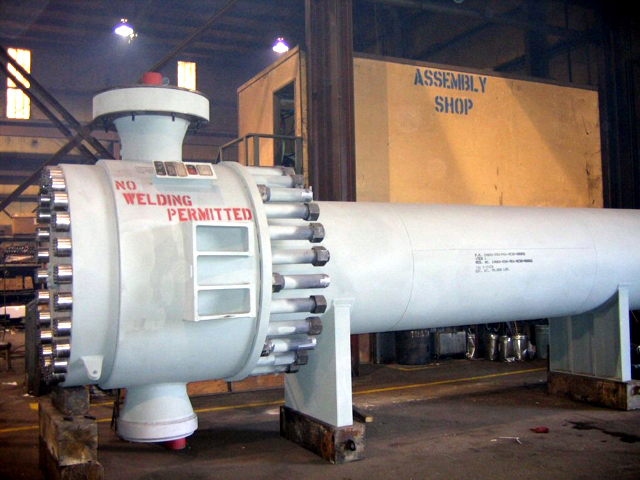
A C300 heat exchanger is a shell-and-tube unit designed for industrial heating and cooling applications. Its U-tube construction and removable tube bundle make it a practical option for processes that require effective heat transfer while accommodating temperature changes. Understanding its design, applications, and maintenance requirements helps businesses determine whether this equipment fits their operating needs.
What Is a C300 Heat Exchanger?
The C300 heat exchanger is part of the Century Series of shell-and-tube heat exchangers. It uses a removable U-tube bundle housed inside a cylindrical shell. One fluid flows through the tubes, while another passes through the shell around the tube bundle.
Heat transfers through the tube walls from the hotter fluid to the cooler fluid without the two streams mixing during normal operation.
The U-shaped tubes allow expansion and contraction as temperatures change. The removable bundle also provides access for inspection, cleaning, and repairs. These characteristics make the C300 suitable for industrial systems where thermal expansion and maintenance access are important considerations.

How Does a C300 Heat Exchanger Work?
The operating principle is based on indirect heat transfer between two fluid streams.
First, one fluid enters the tube side, and the second fluid enters the shell side. As the fluids move through their respective passages, thermal energy travels through the tube walls.
The hotter fluid loses heat, while the cooler fluid gains it. The final outlet temperatures depend on the flow rates, inlet temperatures, fluid properties, and available heat transfer surface.
The U-tube arrangement accommodates differential thermal expansion between the tubes and shell. This can be valuable in applications where operating temperatures vary significantly or change during normal process cycles.
Depending on the selected configuration, the exchanger can also be designed with multiple tube passes to meet specific flow and heat transfer requirements.
Key Features of the C300 Heat Exchanger
1. U-Tube Construction
The tubes bend into a U shape, allowing them to expand and contract as operating temperatures change. This design helps accommodate thermal expansion without requiring a separate expansion joint for the tube bundle.
2. Removable Tube Bundle
The tube bundle can be removed for suitable inspection, cleaning, and repair work. This can simplify maintenance when deposits accumulate or when internal components require examination.
3. Multiple Tube-Pass Options
C300 series models are available in two-, four-, and six-pass configurations, depending on the specific design. The appropriate arrangement depends on the required heat duty, fluid flow, and allowable pressure drop.
4. Compact and Practical Design
The U-tube arrangement provides a useful balance between construction simplicity and heat transfer surface. It can be a practical choice for applications that need a removable bundle without the added complexity of some floating-head designs.
5. Support for Thermal Changes
The U-tube design can accommodate differential expansion between the shell and tubes and between individual tubes. This feature also helps the exchanger handle thermal shock when the selected unit is properly designed for the actual operating conditions.
Industrial Applications of C300 Heat Exchangers
C300 heat exchangers can be considered for a range of industrial heating and cooling duties.
Lubricating Oil Cooling
Industrial machinery depends on lubricating oil to reduce friction and wear. During operation, the oil absorbs heat from moving components. A suitable heat exchanger removes excess heat and helps maintain the required oil temperature.
Water Cooling
Industrial systems often use water to remove heat from machinery or process fluids. A C300 unit may be suitable for water-cooling applications when the fluid characteristics, thermal load, and operating conditions match the equipment specifications.
Compressor Systems
Compressors can generate substantial heat during operation. Depending on the system design, heat exchangers can help cool lubricating oil, water, or other compatible fluids to maintain suitable operating temperatures.
Chemical Processing
Chemical plants use heat exchangers for process heating, cooling, and other thermal duties. Material compatibility, corrosion risks, fluid properties, and fouling potential should be reviewed before selecting a C300 model.
Steam and Vapor Condensation
Shell-and-tube heat exchangers can support condensation duties when appropriately designed. The required heat transfer capacity, pressure conditions, and fluid properties must be evaluated to determine whether a specific C300 configuration is suitable.
General Manufacturing
Manufacturing equipment may require continuous temperature control to maintain production conditions. A properly selected C300 heat exchanger can help transfer excess heat away from compatible process fluids.
Benefits of Using a C300 Heat Exchanger
The C300 design offers several potential advantages for suitable industrial applications.
-
Accommodates differential thermal expansion through its U-tube construction.
-
Provides a removable tube bundle for maintenance access.
-
Offers multiple tube-pass arrangements for different process requirements.
-
Supports a range of compatible heating and cooling applications.
-
Can simplify equipment selection where a basic removable-bundle design is appropriate.
-
Provides access for inspection and repair when maintenance is required.
Actual performance depends on the selected model, materials, heat load, fluid properties, and operating conditions.

How to Select the Right C300 Heat Exchanger
Before selecting a unit, review the process requirements carefully.
Determine the Required Heat Load
Identify the amount of heat that must be transferred and establish the inlet and outlet temperatures for both fluids. This information helps determine the necessary heat transfer capacity.
Review Fluid Compatibility
Check the chemical properties, viscosity, and fouling tendency of each fluid. Material selection should account for corrosion risks and any substances that may deposit on heat transfer surfaces.
Check Pressure and Temperature Limits
Confirm the expected operating pressures and temperatures for both fluid circuits. Verify the exact model's design ratings and ensure it meets the relevant project requirements.
Evaluate Flow Rates and Pressure Drop
Flow rates affect heat transfer, while pressure drop influences the energy needed to circulate fluids. The selected configuration should meet the required thermal duty without creating excessive flow resistance.
Plan for Installation and Maintenance
Allow sufficient space for piping connections and removal of the tube bundle. Consider how the exchanger will be inspected, cleaned, and repaired during its service life.
Maintenance Tips for Reliable Performance
Regular monitoring helps identify changes in heat transfer performance before they lead to major operating issues.
-
Monitor inlet and outlet temperatures.
-
Check pressure drop for signs of fouling or restricted flow.
-
Inspect accessible connections for leaks or corrosion.
-
Clean the tube bundle according to the manufacturer's instructions.
-
Review fluid quality and investigate recurring deposits.
-
Maintain records of inspections, operating conditions, and repairs.
If cooling performance declines, possible causes include fouling, inadequate flow, air trapped in the system, or changing process conditions. Investigate these factors before deciding on corrective action.
Always isolate, depressurize, and cool the equipment before maintenance begins. Inspection and repair should be performed by qualified personnel.
Common Problems That Affect Heat Transfer
Fouling can reduce thermal performance by creating deposits on the tube surfaces. Corrosion may damage components, while insufficient fluid flow can prevent the exchanger from reaching its required outlet temperatures.
Unexpected temperature changes can also occur when the process operates outside its original design conditions. Although the U-tube arrangement accommodates thermal expansion, the equipment must still be selected for the expected pressure and temperature range.
Regular performance checks and appropriate cleaning procedures help reduce these risks.
Selecting Industrial Heat Transfer Equipment
Choosing the right heat exchanger involves more than comparing size or initial cost. Thermal capacity, fluid compatibility, operating limits, installation space, and maintenance access all influence the selection.
Courtney & Nye works with industrial customers seeking heat exchangers, pumps, and process equipment for a variety of applications. Reviewing the process conditions and equipment requirements helps businesses identify a suitable solution for their industrial systems.
Conclusion
The C300 heat exchanger is a shell-and-tube design featuring a removable U-tube bundle. Its ability to accommodate thermal expansion, support multiple tube-pass configurations, and provide maintenance access makes it worth considering for suitable industrial heating and cooling applications. In industrial systems that use Elmo Rietschle vacuum pumps, proper heat management and equipment selection can help maintain reliable performance and support efficient process operations.
The right choice depends on the required heat load, fluid characteristics, operating pressures, temperature limits, and maintenance requirements. Careful selection and routine inspection can help maintain effective heat transfer and support dependable industrial operation.

 English
 Arabic
 French
 Spanish
 Portuguese
 Deutsch
 Dutch
Dutch
 Italiano
 Russian
 Romaian
 Portuguese (Brazil)
 Greek
Greek