


How to Keep Your Motorcycle Looking Shiny and Well-Protected
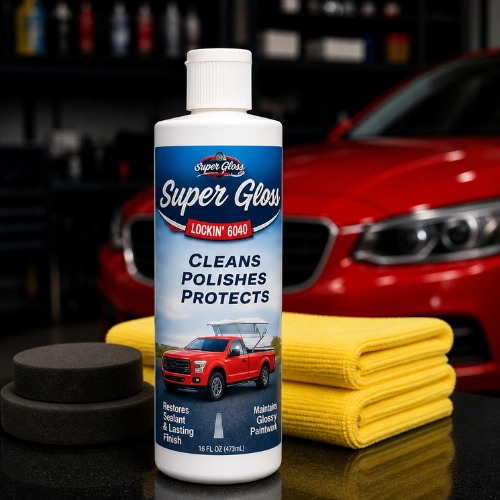
A motorcycle is more than just a means of transportation; it reflects your personality, passion, and attention to detail. Whether you ride daily or take your bike out for weekend adventures, maintaining its appearance requires regular cleaning and proper surface care. Using motorbike polish as part of your maintenance routine can help enhance shine, remove light surface dullness, and maintain the overall appearance of suitable motorcycle surfaces. With the right products and techniques, you can keep your motorcycle looking impressive while helping protect its finish from everyday environmental exposure.
Why Is Regular Motorcycle Care Important?
Motorcycles are frequently exposed to dust, road grime, rain, sunlight, insects, and other environmental contaminants. Over time, these elements can make painted panels appear dull and reduce the visual appeal of metal components. Without regular maintenance, accumulated dirt may also cause scratches when it is wiped away improperly.
A consistent cleaning and polishing routine helps preserve the motorcycle's appearance and makes routine maintenance easier. It also gives riders an opportunity to inspect visible components for scratches, corrosion, loose fittings, or other issues that may require attention.
Benefits of Polishing Your Motorcycle
1. Enhances Surface Gloss
One of the main reasons motorcycle owners polish their bikes is to achieve a clean, attractive finish. A suitable polish can improve the appearance of painted surfaces by reducing the visibility of minor imperfections and restoring some of their original gloss. The result is a more refined appearance that makes the motorcycle stand out.
2. Helps Maintain Painted Surfaces
Painted fuel tanks, fairings, and body panels can lose their visual appeal through repeated exposure to sunlight, dust, and road contaminants. Using a compatible polishing product can help maintain their appearance. However, deep scratches, peeling paint, and damaged clear coats generally require more specialized treatment than ordinary polishing.
3. Improves the Appearance of Metal Components
Motorcycles often feature chrome accents, aluminum parts, and other metallic details. These components contribute significantly to the bike's overall appearance but can develop water spots, oxidation, or dullness.
Choosing a product specifically suitable for the metal being treated can help restore its appearance. Always check the manufacturer's instructions before applying polish to chrome, aluminum, stainless steel, or coated metal surfaces.
4. Supports a Consistent Maintenance Routine
Regular surface care helps prevent dirt and grime from building up over extended periods. Although polishing does not replace washing or mechanical maintenance, it can be a useful step in a broader motorcycle care routine.
How to Polish a Motorcycle Correctly
Step 1: Wash the Motorcycle Thoroughly
Begin by parking the motorcycle in a shaded area and allowing hot components to cool. Use a motorcycle-safe cleaning solution and clean water to remove loose dirt, dust, and road grime. Avoid directing high-pressure water at electrical connections, bearings, or other sensitive components.
Dry the motorcycle with a clean microfiber towel before polishing.
Step 2: Identify the Surface Material
Before selecting a product, identify the material and finish of the component you want to treat. Painted bodywork, chrome, bare aluminum, plastic trim, and matte finishes may require different care methods.
Read the product label carefully to confirm compatibility. Avoid using abrasive products on delicate coatings or matte finishes unless the manufacturer explicitly approves them.
Step 3: Apply the Appropriate Polish
Apply a small amount of the selected polish to a clean microfiber applicator or cloth, following the product instructions. Work on a small section at a time using gentle, controlled movements. Avoid excessive pressure, which can damage delicate finishes or remove more material than necessary.
For motorcycle owners looking to simplify their detailing routine, a suitable all-in-one product may combine cleaning and polishing functions. Nevertheless, confirm that the formula is appropriate for the specific surface before use.
Step 4: Buff the Surface Carefully
If the product instructions recommend buffing, use a separate, clean microfiber cloth to remove residue and reveal the finish. Inspect the surface under good lighting to check for streaks or remaining product. Replace cloths when they become dirty to avoid transferring abrasive particles across the paintwork.
Step 5: Maintain the Finish
After polishing, follow any recommended protection or curing instructions. Some products provide a protective layer, while others are designed primarily to clean or refine the surface. Use an appropriate protective product if additional protection is needed.
Common Motorcycle Polishing Mistakes to Avoid
Even a good product can produce disappointing results when applied incorrectly. Avoid polishing a dirty motorcycle, as trapped particles may scratch the finish. Do not use household cleaners or unverified chemicals on painted or metallic components. Applying too much product can also leave residue and make buffing more difficult.
Another important precaution is to keep polish, wax, and detailing products away from tires, brake discs, brake pads, grips, and foot controls. These areas must remain clean and provide proper traction or braking performance.
Finally, avoid excessive polishing. Abrasive compounds can gradually remove clear coat or other surface material, so follow product directions and choose the least aggressive method appropriate for the condition.
Also Read: How to Choose the Best Boat Polish for Fiberglass
Conclusion
Maintaining a motorcycle's appearance does not have to involve complicated detailing procedures. Regular washing, careful product selection, gentle application, and consistent maintenance can help preserve its shine and keep its surfaces looking their best. By choosing a suitable motorbike polish, riders can improve the appearance of compatible painted and metallic components while supporting a practical care routine. With attention to surface compatibility and proper application, motorcycle owners can enjoy a cleaner, glossier bike and a finish that remains attractive through everyday rides and weekend journeys.

 English
 Arabic
 French
 Spanish
 Portuguese
 Deutsch
 Turkish
 Dutch
Dutch
 Italiano
 Russian
 Romaian
 Portuguese (Brazil)