


What Is the Work of Transport Management? A Full Guide
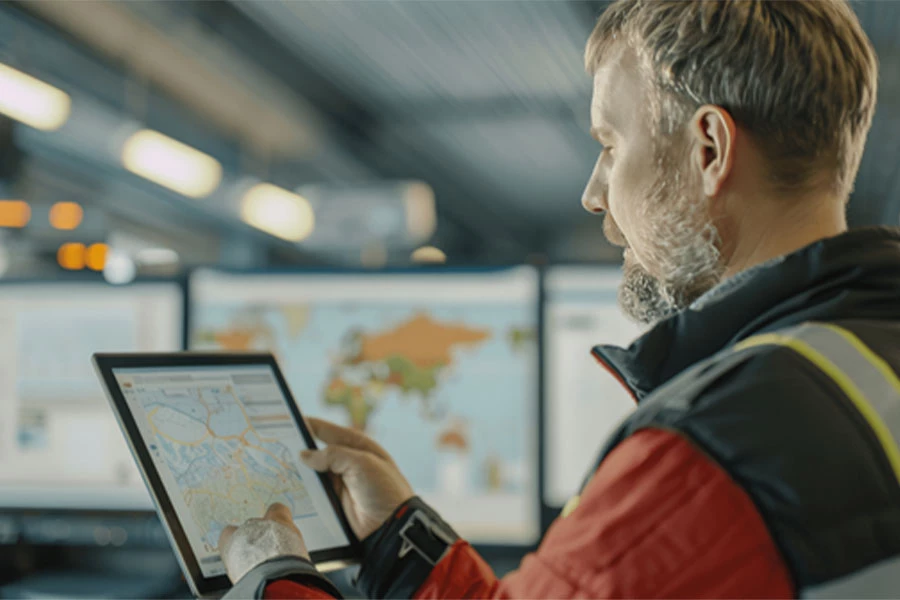
Transport management involves planning, executing, and optimizing the physical movement of goods between locations. It covers route planning, fleet management, carrier coordination, and shipment tracking, ensuring products arrive on time, intact, and at the lowest possible cost. Many businesses partner with a 3PL company to handle these functions efficiently.
Every product on a store shelf or doorstep went through a journey that someone had to plan, coordinate, and monitor. That journey is the work of transport management, and it touches nearly every business that moves physical goods, from small e-commerce shops to multinational manufacturers.
Transport management isn't just about putting boxes on trucks. It's a coordinated discipline that balances cost, speed, and reliability while adapting to disruptions like weather delays, fuel price spikes, or sudden demand surges. Done well, it becomes a competitive advantage. Done poorly, it drains profit margins and damages customer trust.
This post breaks down exactly what transport management involves, who's responsible for it, and how it connects to the broader supply chain. We'll also look at when outsourcing to a 3PL company makes sense and what challenges to expect along the way.
Key Roles and Responsibilities in Transport Management
Transport management typically involves several interconnected roles, each contributing to a smooth flow of goods:
- Transportation managers oversee daily operations, set shipping strategies, and manage budgets.
- Dispatchers coordinate drivers and schedules in real time, adjusting for delays or last-minute changes.
- Logistics coordinators liaise between suppliers, carriers, and customers to keep shipments on track.
- Fleet supervisors maintain vehicles, monitor driver performance, and ensure regulatory compliance.
- Procurement specialists negotiate rates and contracts with carriers and freight providers.
In smaller organizations, one person might wear several of these hats. In larger operations, these responsibilities split across dedicated teams or get handed off entirely to an external partner.
Core Functions of Transport Management
Transport management breaks down into four core functions, each playing a distinct role in getting goods from point A to point B.
Planning and Route Optimization
Route optimization determines the most efficient path for a shipment, factoring in distance, traffic patterns, delivery windows, and fuel costs. Poor planning leads to late deliveries and wasted fuel; smart planning reduces both. Many companies now use software that calculates optimal routes in seconds, adjusting dynamically as conditions change.
Fleet Management
Fleet management covers the vehicles used to move goods, whether a company owns them outright or leases them. This includes maintenance scheduling, fuel efficiency monitoring, driver safety compliance, and vehicle lifecycle planning. A well-maintained fleet reduces breakdowns and unplanned downtime, which directly affects delivery reliability.
Carrier Selection and Coordination
Choosing the right carrier for each shipment, whether that means a dedicated trucking company, a rail provider, or an ocean freight partner, requires weighing cost against speed and reliability. Coordination involves negotiating rates, confirming capacity, and managing relationships so shipments move without friction.
Shipment Tracking and Monitoring
Real-time visibility into where a shipment is at any given moment allows businesses to proactively manage delays, update customers, and troubleshoot problems before they escalate. GPS tracking, electronic logging devices, and transportation management systems (TMS) have made this function far more precise than it was even a decade ago.
How Transport Management Connects to the Supply Chain
Transport management doesn't operate in isolation. It's one link in a much longer supply chain that includes sourcing raw materials, manufacturing, warehousing, and final delivery to the customer.
When transport management runs smoothly, it supports:
- Inventory accuracy by ensuring goods arrive on predictable schedules.
- Warehouse efficiency by coordinating inbound and outbound shipments to avoid bottlenecks.
- Customer satisfaction through on-time, damage-free deliveries.
- Cost control across the entire supply chain, since transportation often represents one of the largest line items in logistics budgets.
A breakdown anywhere in transport management, whether it's a late carrier or a poorly planned route, ripples backward and forward through the supply chain, causing stockouts, missed production deadlines, or dissatisfied customers.
The Role of a 3PL Company in Transport Management
Many businesses choose to outsource some or all of their transport management functions to a third-party logistics provider. A 3PL company specializes in managing transportation, warehousing, and distribution on behalf of other businesses, allowing those businesses to focus on their core operations instead of logistics infrastructure.
What is 3PL, exactly? It stands for third-party logistics, and it refers to outsourcing supply chain functions, most commonly transportation and warehousing, to a specialized external provider. These providers typically bring established carrier networks, advanced tracking technology, and logistics expertise that would take years and significant capital to build in-house.
Choose a 3PL company if your business lacks the internal resources to manage a growing shipping volume, or if you need access to broader carrier networks and better freight rates than you could negotiate independently. Smaller businesses especially benefit, since a 3PL company provides enterprise-level logistics capability without the overhead of building an internal transportation department.
Benefits of Effective Transport Management
When transport management is handled well, businesses typically see:
- Lower shipping costs through optimized routes and better carrier negotiations
- Improved delivery reliability, which strengthens customer trust and repeat business
- Better visibility into shipment status, reducing the need for reactive customer service
- Scalability, since efficient systems can handle growing shipment volumes without proportional cost increases
- Reduced risk, as proactive monitoring catches problems before they become costly delays
Challenges in Transport Management
Despite its benefits, transport management comes with real obstacles:
- Fuel price volatility can erode margins unexpectedly, especially for businesses with thin logistics budgets.
- Driver shortages across the trucking industry continue to strain capacity and push up freight rates.
- Regulatory compliance varies by region and mode of transport, adding administrative complexity.
- Technology integration between legacy systems and modern tracking tools can be costly and time-consuming.
- Demand fluctuations, particularly around peak seasons, make capacity planning difficult.
Businesses that anticipate these challenges and build flexibility into their transport strategy are better positioned to absorb disruptions without major service failures.
Moving Forward with Smarter Transport Management
Transport management shapes how reliably, affordably, and efficiently goods move through the supply chain. Whether you manage logistics internally or partner with a 3PL company, the fundamentals stay the same: plan routes carefully, maintain your fleet, choose carriers wisely, and track shipments closely.
If your current transport operations feel stretched thin or inefficient, it may be time to evaluate whether an external partner could strengthen your logistics strategy and free up resources for growth elsewhere in your business.
Frequently Asked Questions
What is transport management in simple terms?
Transport management is the process of planning, coordinating, and monitoring the movement of goods from one location to another, covering everything from route planning to carrier selection and shipment tracking.
How much does transport management cost a business?
Costs vary widely depending on shipment volume, distance, and mode of transport, but transportation typically represents a significant portion of a company's total logistics spend, often one of the largest line items in the supply chain budget.
How long does it take to see results from improved transport management?
Many businesses notice cost savings and efficiency gains within a few months of implementing better route planning or carrier negotiation strategies, though larger structural changes, like switching to a 3PL company, may take longer to show full impact.
What are the risks of poor transport management?
Poorly managed transport leads to late deliveries, higher fuel and labor costs, damaged goods, and ultimately, lost customer trust that can be difficult to rebuild.
Is outsourcing to a 3PL company better than managing transport in-house?
It depends on your business size and resources. A 3PL company makes sense if you lack the internal infrastructure or carrier relationships to manage shipping efficiently, while larger companies with established logistics teams may prefer to keep transport management in-house for greater control.
What tools are used in modern transport management?
Most businesses rely on transportation management systems (TMS), GPS tracking, and route optimization software to plan shipments, monitor vehicles in real time, and analyze performance data.

 English
 Arabic
 French
 Portuguese
 Deutsch
 Turkish
 Dutch
Dutch
 Italiano
 Russian
 Romaian
 Portuguese (Brazil)
 Greek
Greek