


What Does the Boiler Upgrade Scheme Cover?
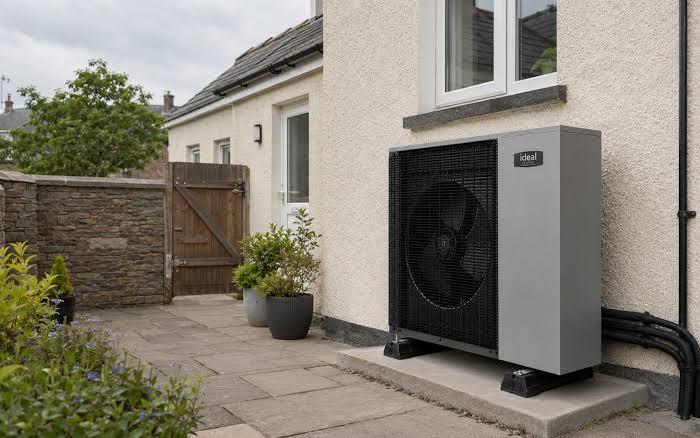
A surprising number of heat pump complaints start with one sentence: "I thought the government was paying for that." Usually it's about a cylinder cupboard, a replastered wall, or an electrician's bill that arrived weeks after the installers left.
The grant is generous, but it has edges. Knowing where those edges sit before you sign will save you money and a fair amount of irritation.
Why Does "Covered" Mean Something Different Here?
Most of us picture grants as lists of approved items. This one isn't. The boiler upgrade scheme grant is a flat discount on one eligible installation, claimed by an MCS-certified installer and taken straight off your invoice. Ofgem doesn't itemize anything. It pays the set amount once the new system replaces your fossil fuel or direct electric heating in full.
So "covered" really means "part of the job the installer quoted for." If something sits inside that quote, the discount helps pay for it. If it sits outside, it's yours.
What Is the Grant Actually Knocking Money Off?
For air source and ground source heat pumps, the figure is £7,500. Biomass boilers attract less and come with stricter conditions, mostly for rural, off-gas homes. Check Ofgem's site for current rates, because they've moved before.
Two details matter more than the headline. First, the grant can't exceed the cost of the work, so nobody walks away with spare cash. Second, heat pump installations currently carry 0% VAT in Great Britain until March 2027. If a quote adds VAT to the heat pump itself, query it immediately.
Which Parts of a Quote Tend to Surprise People?
The outdoor unit gets all the attention, yet it's often not the biggest line. Heat pumps run cooler than boilers, so a house that felt toasty at 70°C may need larger radiators to stay comfortable at 45°C. Several new radiators, some wider pipework, and a hot water cylinder can easily rival the cost of the unit.
These items normally sit inside the quote, which means the grant does help with them. Trouble starts when a firm leaves them vague. Phrases like "radiators as required" give the installer room to add charges later. Insist on a room-by-room list before you agree to anything.
What About the Old Boiler, the Oil Tank, and the Gas Meter?
Removing the old boiler is usually included. Oil tanks are a different story. Draining, cleaning, and disposing of one can cost a few hundred pounds, and some installers leave it out entirely. Ask.
Gas customers face their own small sting. Once the boiler goes, you might still pay a standing charge for a meter you no longer use. Capping or removing it is a conversation with your energy supplier, not your installer, and the grant won't pay for any fees.
Electrics can catch people off guard as well. Older homes sometimes need a larger main fuse or a fresh circuit. Your network operator often upgrades the incoming supply for free, but internal electrical work tends to land on your bill.
Who Pays to Put the House Back Together?
Nearly always, you do. Installers fit radiators and run pipes. They rarely repaint walls, relay carpets, or rebuild the airing cupboard you lost to a new cylinder. Lifting floorboards in a Victorian terrace can turn into a weekend of decorating, and no grant touches that.
Read the quote for the words "making good." If they're missing, assume the finishing work falls to you and budget for it.
Does the Grant Stretch to Insulation or Solar?
No. Loft insulation, cavity wall fill, new windows, solar panels, and home batteries all sit outside the scheme, even when a company sells them alongside a heat pump. They may well make sense together, but separate funding or your own savings pays for them.
Servicing, repairs after the warranty, and interest on any finance plan are also your responsibility. Over ten years, those running costs matter more than most buyers expect.
How Can You Tell If a Quote Uses the Grant Fairly?
Ask for the full price before the discount. Then get a second quote for comparison. Some firms set their prices with the subsidy in mind, so a "£2,000 after the grant" offer means little unless you know the starting figure.
It's also worth knowing what happens if things go wrong. The air source voucher lasts three months. If an installer misses that window or the claim fails, who covers the gap? A reputable firm will answer that in writing without hesitation.
So What's Left for You to Pay?
That depends on your home. With air source heat pump government grants, a small, well-insulated house with decent radiators might pay a modest balance. A draughty farmhouse needing a new cylinder, several radiators, and an oil tank removal will pay considerably more.
My rule of thumb is simple. Treat the grant as a big discount on the heating work, not as funding for the whole project. Add redecorating, electrics, and anything your installer marked "excluded." That total is the number to judge the decision by.

 English
 Arabic
 French
 Spanish
 Portuguese
 Deutsch
 Turkish
 Dutch
Dutch
 Italiano
 Russian
 Romaian
 Greek
Greek