


What Causes Acne and What Can Make It Worse?
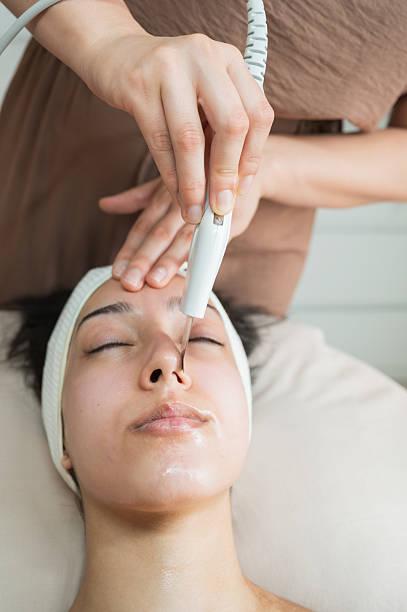
Acne is one of the most common skin concerns, affecting teenagers and adults alike. It can appear as blackheads, whiteheads, inflamed pimples, or deep, painful bumps on the face, chest, shoulders, and back. Although acne is often associated with puberty, hormonal changes, stress, skincare habits, and other factors can contribute to breakouts at different stages of life. Understanding what causes acne and what makes it worse is an important step toward achieving clearer, healthier-looking skin.
If you are experiencing frequent breakouts, exploring Acne Treatment in Riyadh can help you understand which skincare options may be suitable for your skin type and acne severity. Professional assessment can identify possible triggers and help you develop a personalized skincare routine. Whether you are dealing with occasional spots or persistent breakouts, learning about effective pimples treatment in riyadh can help you make informed decisions about managing acne and reducing the risk of future breakouts.
What Causes Acne?
Acne develops when hair follicles become clogged with excess oil, dead skin cells, and sometimes bacteria. Inflammation can occur within these blocked pores, leading to different types of acne lesions. Several factors can influence this process, and understanding them can help you manage breakouts more effectively.
Excess Oil Production
The skin naturally produces sebum, an oily substance that helps maintain its protective barrier. However, when sebaceous glands produce too much oil, it can combine with dead skin cells and block pores. This creates an environment where acne can develop, particularly in people with naturally oily skin.
Hormonal Changes
Hormones can significantly influence oil production. Puberty, menstrual cycles, pregnancy, and certain hormonal conditions may trigger or worsen acne. Adults can also experience hormonal breakouts, often around the chin and jawline. Persistent or sudden acne may require professional assessment to identify contributing factors.
Dead Skin Cells and Clogged Pores
Skin cells naturally shed as part of the renewal process. When these cells accumulate inside hair follicles instead of shedding properly, they can contribute to clogged pores. Blackheads and whiteheads commonly develop this way and may progress into inflamed pimples.
Bacteria and Inflammation
A bacterium called Cutibacterium acnes naturally lives on the skin. When pores become blocked and conditions favor bacterial activity, inflammation may develop. This can result in red, swollen pimples or deeper, more painful acne lesions.
What Can Make Acne Worse?
Although some acne triggers cannot be completely avoided, certain habits and environmental factors can contribute to more frequent or severe breakouts.
Using the Wrong Skincare Products
Heavy creams, oily cosmetics, and products that clog pores may aggravate acne in susceptible individuals. Choosing non-comedogenic skincare products can help reduce this risk. Harsh cleansers and excessive exfoliation can also irritate the skin, making an existing breakout look more inflamed.
Stress and Poor Sleep
Stress does not directly cause every acne breakout, but it may influence hormonal activity and inflammatory responses that worsen acne. Inadequate sleep can also affect overall skin health and make it harder to maintain consistent skincare habits. Managing stress and maintaining a regular sleep schedule may support better skin management.
Picking or Squeezing Pimples
Squeezing pimples can increase inflammation and push material deeper into the skin. This may prolong healing and increase the likelihood of dark marks, infection, or permanent scarring. Allowing blemishes to heal naturally and following suitable treatment advice is generally a safer approach.
Diet and Lifestyle Factors
Research suggests that high-glycemic foods, including certain sugary drinks and refined carbohydrates, may worsen acne in some people. Some studies have also found an association between acne and particular dairy products. However, dietary responses vary, and no single food causes acne in everyone. A balanced diet and attention to personal triggers can help you understand whether dietary changes are beneficial.
Sun Exposure and Environmental Irritants
Sun exposure can worsen skin irritation and contribute to dark marks left after acne heals. Sweat, friction from tight clothing, pollution, and repeated contact with irritating substances may also aggravate some forms of acne. Using suitable sun protection and gently cleansing the skin after sweating can help minimize irritation.
How Can You Manage Acne Effectively?
A consistent skincare routine is an important starting point. Cleanse your face gently twice daily, choose products suited to your skin type, and avoid aggressive scrubbing. Ingredients such as salicylic acid, benzoyl peroxide, and topical retinoids may help manage different types of acne, depending on individual needs and tolerability.
Introduce active ingredients gradually to reduce irritation, and use sunscreen daily. Some acne treatments are unsuitable during pregnancy, so consult a qualified healthcare professional before starting medication if you are pregnant, planning pregnancy, or breastfeeding.
Persistent, painful, or scarring acne may require professional care. A qualified skin specialist can assess the severity of your acne and discuss appropriate options, which may include prescription medication, topical treatments, or selected clinical procedures. Results take time, and many treatments require several weeks or longer to show improvement.
Frequently Asked Questions
What is the main cause of acne?
Acne usually develops when excess oil and dead skin cells block hair follicles. Hormonal changes, inflammation, and bacteria can contribute to the development and severity of breakouts.
Can stress make acne worse?
Yes, stress may aggravate existing acne by influencing hormonal activity and inflammation. Stress management and adequate sleep can support your overall skincare routine.
Does washing my face more often prevent acne?
No. Washing excessively can irritate and dry out the skin, potentially making breakouts worse. Gentle cleansing twice daily is generally sufficient for most people.
Can acne leave permanent scars?
Yes, severe or inflamed acne can cause permanent scars. Picking pimples may increase the risk, so early treatment and avoiding squeezing blemishes are important.
When should I seek professional acne treatment?
Consider professional advice if your acne is persistent, painful, widespread, leaving scars, or not improving with appropriate over-the-counter products. A skin specialist can recommend a treatment plan based on your individual concerns.
Consult Enfield Royal Clinic for Acne Care
If acne is affecting your confidence or you are struggling with recurring breakouts, Enfield Royal Clinic can be a starting point for exploring suitable skincare and acne management options in Riyadh. Arrange a consultation to discuss your skin concerns, understand potential triggers, and learn about treatment approaches that may suit your needs. Consistent care and an individualized plan can help you work toward clearer, healthier-looking skin.

 English
 Arabic
 French
 Spanish
 Portuguese
 Deutsch
 Turkish
 Dutch
Dutch
 Russian
 Romaian
 Portuguese (Brazil)
 Greek
Greek