


Engineering Reliable Systems for Aggregate Production
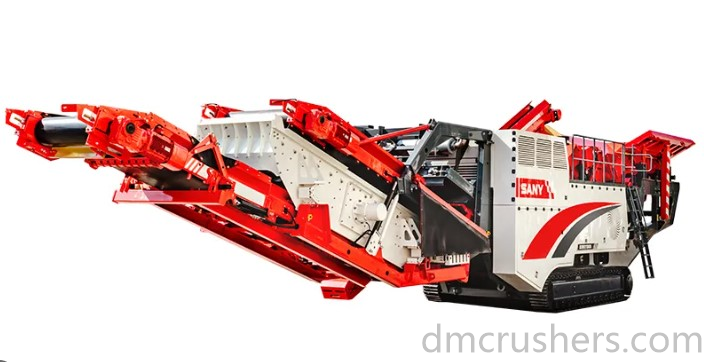
In quarrying, mining, construction, and recycling projects, a Mobile Crusher can provide a flexible solution for reducing materials at different locations. Its ability to be repositioned according to project requirements makes it useful for temporary construction sites, developing quarries, infrastructure projects, and operations that process materials close to their source. However, mobility alone does not guarantee efficient production. Equipment selection must also consider feed characteristics, mechanical structure, material flow, maintenance requirements, safety procedures, and the quality of the final output.
Material characteristics are among the most important factors in equipment selection. Natural stone, recycled concrete, asphalt, and mineral materials vary in hardness, abrasiveness, density, moisture content, and fracture behavior. These differences affect the forces required for reduction and the rate at which working components experience wear. Evaluating the expected feed material before establishing a processing arrangement helps operators select suitable equipment and develop realistic maintenance plans.
Mechanical design influences both durability and operational stability. The supporting frame must withstand repeated working loads while maintaining alignment among the main assemblies. The feeding mechanism, reduction chamber, drive system, discharge arrangement, and supporting components should function as an integrated system. A well-coordinated structure can help reduce unnecessary mechanical stress and support predictable material movement. Practical access to service points is also important because difficult maintenance access can increase downtime during routine inspections and component replacement.
Consistent feeding is essential for maintaining stable production. Sudden increases in material volume, irregular feed sizes, or foreign objects can disrupt the reduction process and create avoidable mechanical stress. Appropriate feed preparation helps limit these problems before material enters the equipment. In construction recycling applications, preliminary sorting may remove metal, wood, plastic, and other contaminants that could interfere with processing or damage mechanical components.
The desired output should guide the entire processing arrangement. Different applications require different aggregate sizes and particle distributions. Road construction, concrete production, drainage, and general filling may each have distinct material requirements. Depending on the application, screening and additional reduction stages may be necessary to achieve the intended grading. Coordinating these stages can improve product consistency and reduce unnecessary recirculation.
Site planning is another important consideration. Before equipment is transported to a new location, project teams should assess access routes, ground conditions, transportation restrictions, working clearances, and the space required for material stockpiles. Once the equipment is positioned, appropriate stabilization and pre-operation inspection are necessary. Careful planning helps ensure that flexible deployment does not compromise working safety or interfere with the surrounding site.
Maintenance should combine scheduled inspections with monitoring of actual operating conditions. Wear components, bearings, belts, fasteners, lubrication points, hydraulic assemblies, and structural connections require attention according to their function and exposure to working loads. Unusual vibration, changes in operating sounds, abnormal temperatures, or variations in discharge behavior can indicate developing problems. Recording these observations helps maintenance teams identify recurring faults and plan service activities more effectively.
Safety procedures should cover operation, cleaning, inspection, and repair. Moving components, falling material, stored energy, dust, and restricted access areas can create hazards if appropriate controls are absent. Protective guards, emergency stop systems, clearly defined access routes, warning devices, and energy isolation procedures help establish safer working conditions. Operators also need training in handling blockages, recognizing abnormal operating conditions, and following established maintenance procedures.
Environmental management can improve the overall responsibility of material processing operations. Dust suppression, controlled transfer points, noise management, and efficient material movement help reduce unnecessary environmental impacts. Recycling applications can also recover usable materials from construction waste, supporting more efficient resource utilization. Reducing repeated handling and unnecessary transportation may further improve the efficiency of a project.
When equipment design, feed characteristics, site conditions, maintenance, and safety are considered together, a Mobile Crusher can support a flexible and well-organized processing workflow. The appropriate configuration depends on the material, production objectives, and operating environment. For additional information about available crushing equipment and related solutions, visit https://www.dmcrushers.com/product/stationary-crusher/ .

 English
 French
 Spanish
 Portuguese
 Deutsch
 Turkish
 Dutch
Dutch
 Italiano
 Russian
 Romaian
 Portuguese (Brazil)
 Greek
Greek