


Five Bulk Packaging Myths Holding Back Your Lid and Base Box Order
Five Myths About Buying Lid and Base Packaging in Bulk
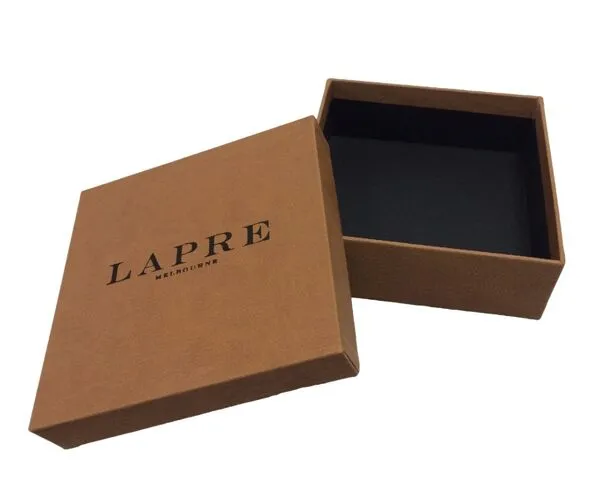
Two Piece Rigid Boxes are the classic lid and base design, and ordering them in volume is easier than most buyers fear. Most of the confusion comes from a handful of myths about price, minimums and quality. Clear those up and custom rigid set up boxes wholesale becomes a practical plan instead of a gamble.
Why These Myths Stick Around
Rigid packaging has a luxury reputation, and luxury usually comes with mystery. Suppliers use technical terms, quotes arrive in tiers, and first time buyers often feel they are guessing. That uncertainty is expensive, because people either overspend to be safe or underspend and regret it.
It helps to remember what is at stake. In an Ipsos survey commissioned by Shorr Packaging, 72 percent of American consumers said package design influences what they buy. The box is not a side detail, so it deserves a clear head and some real information before you place an order.
Myth One: Buying in Bulk Means Lower Quality
What Actually Happens
Many buyers assume that a bigger run means rushed work. In practice, the opposite is often true. A large order justifies a proper pre production sample, a locked artwork file and a documented fit test, all of which protect quality across thousands of units.
The savings come from spreading fixed costs, not from cutting corners. Tooling, plate making and machine setup cost the same whether you make three hundred boxes or three thousand. That is why custom rigid set up boxes wholesale lowers the price per unit while keeping the same materials and finishes you approved on the sample.
Myth Two: High Minimums Always Hurt Small Brands
Reading the Price Tiers
A minimum order quantity can look intimidating, but it is only one number on the quote. Ask for pricing at three or four quantities and compare the cost per box at each step. You will often find that the price drops sharply at first and then flattens out.
That flattening point is your sweet spot. Ordering well past it ties up cash and warehouse space for very little extra saving. Ordering just below it can leave money on the table. Seeing the curve on paper makes the decision far less emotional.
Myth Three: A Lid and Base Box Is Too Plain
Where the Personality Comes From
Some brands skip this format because they think it looks basic. The structure is simple, but that simplicity is a blank canvas. Two Piece Rigid Boxes can carry foil stamping, embossing, spot gloss, soft touch coating and textured wrap papers, and the lid and base can each have their own look.
Try a printed lid over a contrasting base, or a shallow lid that reveals a deep colored tray. A lining in a surprising color inside the lid costs little and delivers a small moment of delight. Plain is a choice here, not a limitation.
Myth Four: Samples Are a Waste of Time
The Cheapest Insurance You Can Buy
Waiting for a sample feels like a delay, especially when a launch date is close. Skipping it is the riskier move. A physical sample tells you whether the lid fits too tight or too loose, whether the product sits securely and whether the colors on paper match the screen.
Open and close the sample dozens of times. Drop it from desk height with the product inside. Photograph it in daylight. If something feels off, fixing it at sample stage costs a few days, while fixing it after production costs a whole run.
Myth Five: Any Supplier Can Match Your Artwork
Questions That Reveal Real Experience
Printing on a flat sheet and wrapping it around thick board are different skills. Wrapping can shift artwork slightly at the edges, so experienced makers advise keeping logos and text away from the corners and folds. A supplier who volunteers this kind of advice has probably handled many jobs before yours.
Ask for a dieline, a list of available papers, and photos or samples of similar finished work. When you plan custom rigid set up boxes wholesale, a clear dieline and an approved proof protect both sides from misunderstandings. If a supplier avoids those details, treat it as a warning sign.
A Short Checklist Before You Order
Confirm the final dimensions with your actual product, not a spec sheet. Decide on the insert early, since it changes the internal size of the box. Agree on the lead time in writing, including sampling and shipping, and add a buffer if your launch date is fixed. Finally, ask how the boxes will be packed for transport, because crushed corners on arrival undo all the effort that went into the design.
Frequently Asked Questions
How many Two Piece Rigid Boxes should I order for a first run?
There is no universal number. Many brands start with a few hundred to test the market and reorder at higher tiers once sales are steady. Ask for quotes at several quantities so you can see how the price per box changes.
Can I change the artwork between reorders?
Yes, though a new design may need a fresh proof and sometimes new plates. If the box structure stays the same, changes to colors or logos are usually simple. Mention your plans early so your supplier can help you avoid extra costs.
How long does a bulk rigid box order take?
Rigid boxes take longer than folding cartons because much of the work is done by hand or on semi automated lines. Expect time for sampling, approval, production and shipping, and always confirm the schedule before you pay a deposit.
Final Thoughts
Most bulk packaging problems come from missing information, not bad luck. Once you know where the savings come from, why samples matter and how to read a quote, the process feels far less risky. Treat custom rigid set up boxes wholesale as a planned project with clear steps, and you will end up with packaging that looks premium, arrives intact and keeps its cost under control.

 English
 Arabic
 French
 Spanish
 Portuguese
 Deutsch
 Turkish
 Dutch
Dutch
 Italiano
 Russian
 Portuguese (Brazil)
 Greek
Greek