


Upgrade Nighttime Visibility with Advanced Moto Light Projection Technology
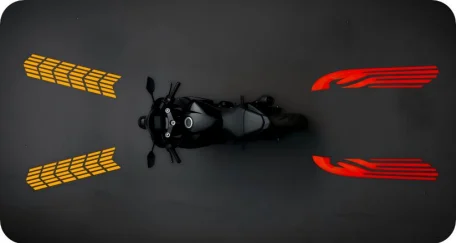
Motorcycle lighting plays an important role in visibility, rider awareness, and the overall appearance of a bike. Whether commuting through urban streets or traveling along poorly lit roads, riders need lighting solutions suited to their motorcycles and riding conditions. Modern Moto light technology uses specialized optical components and projection systems to direct light where it is needed, offering manufacturers new possibilities for compact, performance-oriented motorcycle lighting designs.
Why Projection Lighting Matters for Motorcycles
Traditional motorcycle headlights and modern projection-based systems can differ in how they manage and distribute light. Projection lighting uses optical elements to control the direction and shape of the emitted beam. Depending on the design, this approach can help produce a more defined lighting pattern within a compact assembly.
For motorcycle manufacturers and lighting designers, controlling the beam is an important consideration. A suitable beam pattern can help illuminate the road while limiting excessive glare for other road users. Actual visibility depends on the complete lighting system, including the light source, optical components, installation angle, and surrounding conditions.
The Role of MLA Optical Technology
Microlens array (MLA) technology uses multiple small lenses arranged in a structured pattern to influence the behavior of light. In projection lighting applications, these optical structures can help engineers develop compact systems with specific light-distribution characteristics.
The performance of an MLA-based lighting system depends on lens design, optical alignment, materials, and the characteristics of the light source. Careful engineering is necessary to achieve the desired illumination pattern while managing component size and thermal requirements.
For motorcycle applications, compact optical assemblies can be particularly useful because available installation space is often limited. Designers must balance packaging constraints with illumination requirements, durability, and compatibility with the motorcycle's electrical system.
Important Features to Consider When Selecting Moto Lighting
Choosing a motorcycle lighting system involves more than comparing brightness figures or exterior appearance. Riders, manufacturers, and component buyers should evaluate several factors before selecting a solution.
-
Beam distribution: A controlled beam pattern helps direct illumination toward relevant areas of the road.
-
Optical quality: Well-designed lenses and reflectors influence how light is focused and distributed.
-
Brightness and visibility: Performance should be evaluated under realistic operating conditions rather than by headline specifications alone.
-
Thermal management: Lighting components need appropriate heat dissipation to support reliable operation.
-
Weather resistance: Protection against water, dust, and vibration is important for motorcycle environments.
-
Electrical compatibility: Voltage, power consumption, connectors, and control requirements should match the intended motorcycle.
-
Regulatory compliance: The complete lighting assembly must meet applicable requirements for beam pattern, glare, installation, and road use.
Reviewing these factors helps ensure that a lighting product is appropriate for the motorcycle and its intended application.
Durability for Everyday Riding Conditions
Motorcycles are regularly exposed to vibration, rain, dust, temperature changes, and road debris. Lighting assemblies therefore need suitable mechanical construction and environmental protection. Lens materials, housing design, sealing, and mounting arrangements can all influence durability.
Routine inspection also matters. Riders should check that the headlight remains securely mounted, the lens is clean, and the beam is correctly aimed. Damaged housings, moisture inside the assembly, or unusual changes in illumination should be investigated promptly.
Correct installation is essential for both performance and safety. Even a well-designed headlight may create poor visibility or excessive glare if it is improperly aligned. Following manufacturer instructions and applicable road regulations helps maintain suitable lighting performance.
Design Innovation Meets Practical Performance
Motorcycle lighting continues to evolve as manufacturers explore compact optics, improved beam control, and distinctive styling. Projection-based solutions can provide additional design flexibility, but the best system is one that meets real-world visibility needs while remaining reliable and compliant.
For businesses researching optical components and motorcycle projection solutions, exploring Moto light technology can provide a useful starting point. By considering optical design, environmental durability, electrical compatibility, and regulatory requirements together, manufacturers can develop motorcycle lighting systems that balance practical illumination with modern engineering.

 English
 Arabic
 French
 Spanish
 Portuguese
 Deutsch
 Turkish
 Dutch
Dutch
 Italiano
 Russian
 Portuguese (Brazil)
 Greek
Greek