


Panty Liner Pads vs. Washable Period Underwear: Which Is Better for Everyday Comfort and Leak Protection?
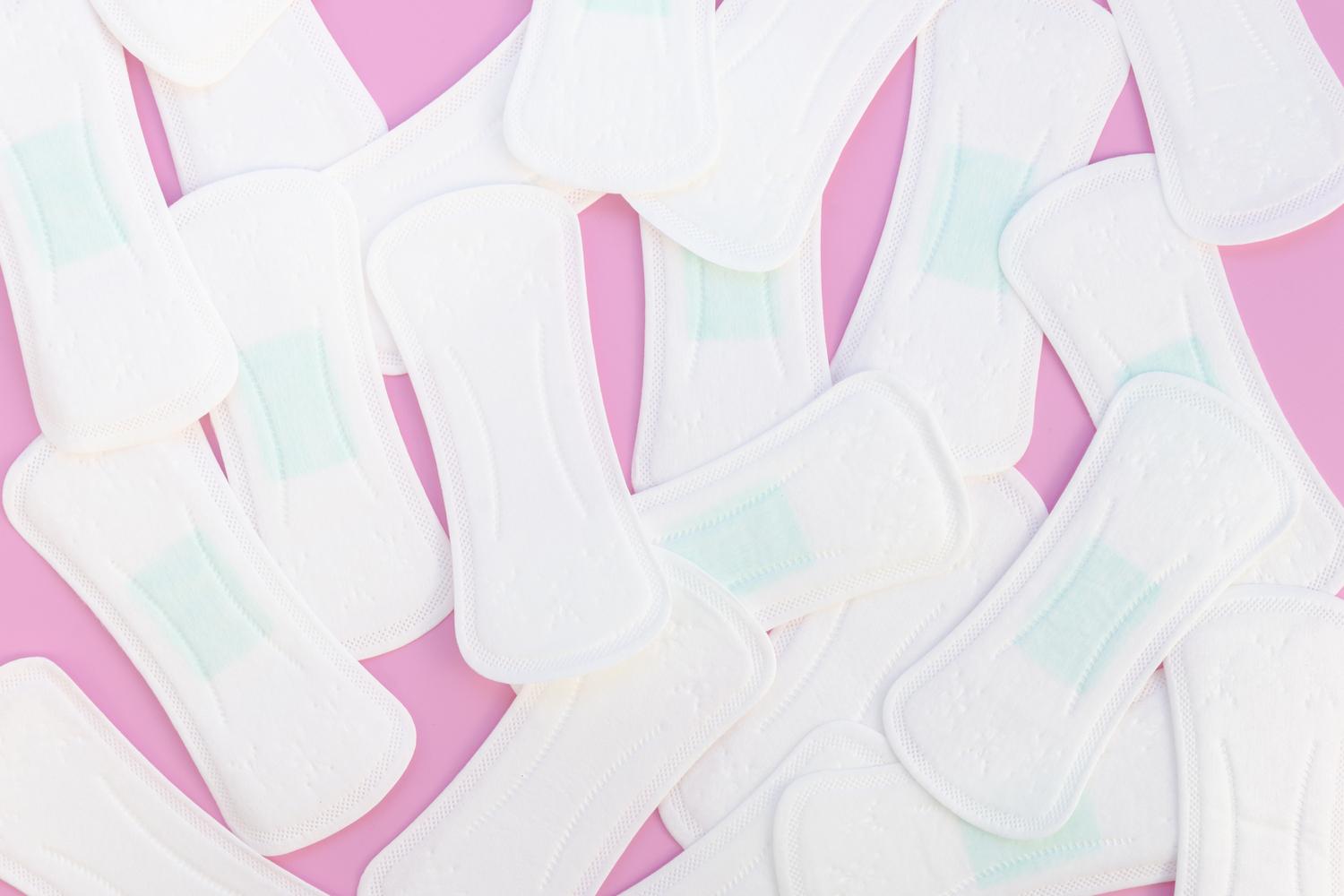
Choosing the right menstrual care product can make everyday life more comfortable, whether you are managing light discharge, preparing for your period, or looking for extra protection against unexpected leaks. While panty liner pads are a popular choice for light daily protection, washable period underwear offers a different approach by combining underwear and absorbent layers in one garment. Both options can fit into a personal hygiene routine, but the right choice depends on your needs, lifestyle, and preferred level of protection.
Understanding how these products differ can help you decide when to use each one. From comfort and absorbency to convenience, washing requirements, and long-term cost, let's explore the benefits and limitations of both options.
What Are Panty Liner Pads?
Panty liner pads are thin absorbent products designed to collect light vaginal discharge, minor spotting, and small amounts of moisture. They are generally smaller and thinner than regular menstrual pads, making them suitable for days when full menstrual protection is unnecessary.
They are available in disposable and reusable varieties. Disposable liners are typically used once and discarded, while reusable versions can be washed and used again according to the manufacturer's instructions.
Reusable liners often feature soft fabric layers and may include fasteners or wings to help keep them in position. Their lightweight construction makes them a practical choice for people who want a little extra freshness throughout the day.
When Are Panty Liner Pads Useful?
These liners can be helpful in several everyday situations:
-
Managing light vaginal discharge between periods.
-
Providing protection against minor spotting.
-
Keeping underwear cleaner during the beginning or end of a menstrual cycle.
-
Offering a light layer of protection when anticipating the start of a period.
-
Providing additional reassurance on days when menstrual flow is minimal.
However, liners are not designed to replace menstrual products intended for moderate or heavy bleeding. If your flow increases, you may need a more absorbent option.
What Is Washable Period Underwear?
Washable period underwear is reusable underwear designed with absorbent layers that collect menstrual fluid. Unlike a liner, which sits inside your regular underwear, this product incorporates its absorbent components directly into the garment.
Depending on the design, the layers may help absorb moisture, distribute fluid, and reduce the likelihood of leaks reaching outer clothing. Some styles are designed for lighter days, while others provide greater absorbency for moderate or heavier flow.
Period underwear comes in different cuts, fabrics, and coverage levels. This variety allows users to choose styles that suit their body, clothing preferences, and menstrual needs.
When Is Period Underwear Useful?
Period underwear can be a suitable option for:
-
Managing menstrual flow without inserting or attaching a separate product.
-
Providing additional protection alongside another menstrual product.
-
Supporting a reusable period-care routine.
-
Maintaining coverage during school, work, travel, or everyday activities.
-
Offering extra reassurance during lighter or unpredictable days.
Absorbency varies considerably between products, so checking the manufacturer's guidance is essential. Not every pair is designed for heavy flow, and some users may need to change pairs during the day.
Panty Liner Pads vs. Washable Period Underwear: Key Differences
Although both products can be used as part of an everyday hygiene routine, they serve slightly different purposes. Understanding these differences makes it easier to select the right option.
1. Comfort and Everyday Wear
Comfort depends on fabric, fit, personal sensitivity, and how much protection you need.
Panty liner pads are usually thin and lightweight. Reusable versions can provide a soft fabric surface against the skin without adding much bulk to your underwear. They may be especially convenient when you want light protection but do not need a full menstrual product.
However, a liner can shift during movement if it does not fit securely. Some people may also find that wearing one for extended periods creates unwanted moisture or friction.
Washable period underwear eliminates the need to position a separate liner because the absorbent section is built into the garment. For some users, this feels more natural and convenient, particularly during physical activities or long days away from home.
The trade-off is that period underwear may feel thicker than ordinary underwear, depending on its absorbent layers and design.
Neither option is automatically more comfortable for everyone. Choosing breathable materials, a suitable fit, and the right level of protection can make a noticeable difference.
2. Absorbency and Leak Protection
Absorbency is one of the biggest differences between these products.
Panty liner pads are intended primarily for light moisture, discharge, and minor spotting. Their thin design is useful when only minimal protection is needed. However, they generally do not provide enough capacity for moderate or heavy menstrual flow.
Washable period underwear is available in a wider range of absorbency levels. Some styles are designed for light spotting, while others can hold more menstrual fluid. The garment's construction, absorbent materials, and coverage determine how much protection it provides.
For example, a person experiencing light spotting may find a liner sufficient. Someone managing a regular menstrual flow may prefer period underwear with an absorbency level suited to their needs.
To make an informed choice:
-
Check the stated absorbency of the product before purchasing.
-
Choose a liner for light discharge or spotting rather than heavy bleeding.
-
Select period underwear based on your usual menstrual flow.
-
Change products when they become damp, saturated, or uncomfortable.
-
Consider using an additional menstrual product if you need extra protection.
Remember that no menstrual product can guarantee complete leak prevention. Fit, movement, flow, and changing frequency all influence performance.
3. Breathability and Skin Sensitivity
The materials used in a menstrual product can affect how it feels throughout the day.
Reusable liners may be made with cotton or other fabrics designed to provide a soft surface. Their relatively thin construction can make them suitable for people who prefer minimal coverage. However, the fabric composition and backing differ between products, so checking material details is important.
Period underwear typically uses multiple layers to manage moisture. These layers can provide useful absorbency, but the garment may feel warmer or thicker than ordinary underwear.
If you have sensitive skin, choose products made from materials you tolerate well and avoid fragrances or detergents that cause irritation. Replace damp products promptly and wash reusable items according to their care instructions.
Persistent itching, burning, or irritation should not automatically be attributed to a menstrual product. If symptoms continue, consult a qualified healthcare professional.
4. Convenience During Busy Days
The most convenient product is often the one that fits your routine without requiring too much planning.
Panty liner pads are easy to carry and can be changed quickly. They work well for people who want light protection during a commute, at work, or while attending classes. Reusable liners require cleaning after use, while disposable versions can be discarded after use in an appropriate bin.
Washable period underwear offers a different kind of convenience. Since the absorbent layers are part of the garment, there is no separate liner to position. This can be helpful when you prefer a simple routine.
However, you may need to carry a spare pair when travelling or spending a long time away from home. Used underwear also needs to be stored separately until it can be washed.
Consider how much time you spend outside the home, whether you have access to laundry facilities, and how comfortable you feel carrying used reusable products.
5. Cost and Long-Term Value
Cost is another factor worth considering, especially if you use menstrual or personal hygiene products regularly.
Disposable liners usually have a lower initial cost, but they need to be purchased repeatedly. Reusable liners generally cost more upfront than a small pack of disposable products, although they can be used multiple times when properly maintained.
Washable period underwear may involve a larger initial investment because it is a complete garment rather than a separate liner. However, a suitable set can be reused over multiple cycles, reducing the need for frequent replacement purchases.
Your overall expenses will depend on the number of products you need, their quality, how long they last, and the cost of washing them.
When comparing options, consider the total cost over several months rather than the purchase price alone. Reusable products may offer better value over time, but savings are not guaranteed for every user.
6. Environmental Considerations
Reusable personal care products can help reduce the amount of single-use waste generated during everyday hygiene routines.
Disposable liners are discarded after use, so regular use creates ongoing waste. Reusable liners and period underwear can be washed and worn again, reducing the need to replace them after every use.
However, reusable products also require water, detergent, and energy for cleaning and drying. Their environmental impact depends on factors such as how frequently they are reused, how long they last, and how they are maintained.
If reducing waste is a priority, reusable products may be worth considering. Choosing durable items that suit your routine and caring for them properly can help you make the most of their reusable design.
How to Choose the Right Product for Your Needs
There is no single product that works best for every person or every day. Your choice should reflect the kind of protection you need.
Choose Panty Liner Pads for Light Protection
Liners may be suitable if your main concern is light discharge, occasional spotting, or keeping underwear fresh between periods.
Their thin design makes them easy to carry and use when you do not need substantial absorbency. Reusable liners can also fit into a low-waste routine if you are comfortable washing and drying them regularly.
If your menstrual flow becomes heavier, switch to a product designed for that level of bleeding rather than relying on a liner alone.
Choose Period Underwear for Integrated Protection
Period underwear may be a better fit if you prefer a garment with built-in absorbent layers instead of a separate product.
It can be especially useful during menstruation, provided you select an absorbency level that matches your flow. Some people also use period underwear as backup protection with another menstrual product.
Before buying, check the absorbency rating, size guide, material details, and washing instructions. These details help you understand whether the garment is appropriate for your needs.
Consider Using Both at Different Times
You do not necessarily need to choose just one option.
For example, reusable liners may work well on days when you experience light discharge, while period underwear may be more suitable during menstruation. Your preferences may also change depending on travel, physical activity, or the stage of your menstrual cycle.
Using different products for different situations can make your routine more flexible. The important thing is to select an appropriate product for the amount of fluid you need to manage.
How to Care for Reusable Liners and Period Underwear
Proper cleaning and storage are important for both reusable products.
Follow the Washing Instructions
Always check the manufacturer's care guidance. Some products can be machine-washed, while others may require specific temperatures or washing methods.
Use a suitable detergent and avoid fabric treatments that may affect absorbency or irritate your skin.
Rinse and Wash as Recommended
For reusable products used during menstruation, follow the recommended method for removing menstrual fluid. Cool-water rinsing may be advised before washing, depending on the product.
Do not leave used items damp for long periods. If you cannot wash them immediately, store them appropriately until cleaning is possible.
Dry Completely Before Reuse
Allow reusable liners and underwear to dry fully before wearing or storing them. Follow the recommended drying method to help maintain the fabric and absorbent layers.
Store Clean Products Separately
Keep clean products in a dry, clean place. When travelling, carry used items in a separate suitable pouch to avoid contact with clean clothing and products.
Check for Signs of Wear
Over time, fabric may thin, fasteners may weaken, and absorbency may decline. Replace reusable products when they no longer provide suitable protection or cannot be cleaned effectively.
Common Mistakes to Avoid
Even a well-designed product may not work as expected if it is used incorrectly. Keep these common mistakes in mind:
-
Using a light liner for menstrual flow that requires greater absorbency.
-
Choosing period underwear without checking its absorbency level.
-
Wearing a damp or saturated product for too long.
-
Reusing products without washing them properly.
-
Storing reusable items before they are completely dry.
-
Assuming every reusable product offers the same level of leak protection.
Making the right choice begins with understanding the product's purpose and following its care instructions.
Final Verdict: Which Option Is Better?
Panty liner pads and period underwear serve different needs, so the better choice depends on the kind of protection you want. Liners are lightweight and useful for discharge or minor spotting, while period underwear combines everyday underwear with absorbent layers that can manage menstrual flow according to the product's design.
Consider your comfort preferences, menstrual needs, daily routine, washing facilities, and budget before deciding. You may even find that using both options at different times gives you the flexibility you need.
For a reusable approach to light daily protection, consider choosing a liner with suitable materials and care instructions. When you need integrated menstrual protection, explore products designed for your flow and preferred fit. RevaaForYou offers options to explore as you build a routine that suits you. To discover a reusable alternative designed to combine underwear and menstrual protection, explore washable period underwear and compare the available styles and absorbency guidance before choosing the option that best fits your needs.
FAQs
1. What is the main difference between panty liner pads and period underwear?
Panty liner pads are thin products placed inside regular underwear to absorb light discharge or spotting. Period underwear has absorbent layers built into the garment and may be designed to manage menstrual flow at different absorbency levels.
2. Can panty liner pads be used during periods?
Yes, they may be useful during very light flow or occasional spotting. However, they are not generally designed to manage moderate or heavy menstrual bleeding. Choose a menstrual product with suitable absorbency when your flow increases.
3. Is washable period underwear suitable for everyday use?
It can be suitable when the product matches your needs and is used according to the manufacturer's instructions. Choose an appropriate absorbency level, change the garment when necessary, and wash and dry it thoroughly before reuse.
4. Are reusable liners and period underwear more economical than disposable products?
They may be more economical over time because they can be reused. Actual savings depend on the purchase price, product lifespan, number of items required, and washing costs.
5. Can I use panty liner pads and period underwear together?
Yes, some people use a liner with period underwear for additional protection, provided both products fit comfortably and the combination does not cause irritation. Check the absorbency guidance for each product and change them as needed. In many cases, period underwear alone may provide sufficient protection, depending on its design and your flow.

 English
 Arabic
 French
 Portuguese
 Deutsch
 Turkish
 Dutch
Dutch
 Italiano
 Russian
 Romaian
 Portuguese (Brazil)
 Greek
Greek