


What Terpenes Contribute to the Banana Bread Strain’s Distinctive Aroma and Flavor?

The scent of freshly baked banana bread brings together notes of ripe fruit, warm spices, and toasted sweetness. Interestingly, certain cannabis cultivars evoke a similarly layered sensory experience. The banana bread strain is known for an aroma and flavor profile that can remind enthusiasts of sweet bananas, baked goods, and subtle earthy undertones.
What creates this distinctive character? The answer lies partly in terpenes, aromatic compounds found in many plants, including cannabis. These compounds contribute to the fragrances of citrus peels, pine needles, herbs, and ripe fruit. Understanding their role offers a closer look at how a cannabis strain develops its recognizable sensory identity.
What Are Terpenes, and Why Do They Matter?
Terpenes are naturally occurring compounds responsible for many of the aromas associated with plants. They help give lavender its floral fragrance, oranges their bright citrus scent, and pine trees their fresh, woody character.
In cannabis, terpenes contribute to the plant's aromatic complexity. Their concentrations and combinations can vary depending on genetics, growing conditions, maturity, harvesting, and storage. This means two samples sold under the same strain name may not smell or taste exactly alike.
For the banana bread strain, its reported sweet, fruity, and earthy characteristics can be explored through the terpenes commonly encountered in cannabis. However, its precise terpene profile should be confirmed through product-specific laboratory testing rather than assumed from the strain name alone.
Key Terpenes That May Shape the Banana Bread Strain
1. Myrcene: Earthy and Herbal Depth
Myrcene is a common cannabis terpene also found in plants such as hops and lemongrass. Its aroma is often described as earthy, herbal, musky, or subtly fruity.
When present in a particular cultivar, myrcene may contribute depth to a sweeter aromatic profile. Rather than creating a direct banana flavor, it can provide an earthy background that balances brighter, fruit-like notes.
The amount of myrcene in any banana bread strain sample depends on its individual chemical composition. A laboratory terpene analysis is the best way to establish whether myrcene is a prominent component.
2. Limonene: A Bright Citrus Accent
Limonene is widely associated with the fresh scent of lemon and orange peels. It occurs naturally in citrus fruits and is also found in some cannabis varieties.
Within a complex aroma, limonene may introduce a bright, zesty quality that contrasts with heavier earthy notes. This contrast can make a sweet or fruity scent seem more layered, even when citrus is not the dominant impression.
However, limonene does not automatically indicate that a cultivar will taste strongly of citrus. Its contribution depends on its concentration and interaction with other aromatic compounds.
3. Caryophyllene: Warm, Peppery Complexity
Beta-caryophyllene is found in black pepper, cloves, and other aromatic plants. Its scent is commonly described as spicy, woody, or peppery.
In cannabis, this terpene can add a warm, savory dimension to a profile that might otherwise seem predominantly sweet. Such contrasts are important in building a multidimensional aroma.
For people examining the banana bread strain, caryophyllene is one compound worth checking in a laboratory report. Its presence may help explain spicy or woody undertones, although the exact sensory result varies between samples.
4. Linalool and Other Aromatic Compounds
Linalool is associated with floral and lavender-like aromas. When present, it may contribute a softer floral note that rounds out a more complex fragrance.
Other terpenes, including pinene and humulene, may contribute fresh, woody, herbal, or earthy characteristics in cannabis varieties. Yet none should be treated as a confirmed ingredient in every product carrying the banana bread name.
It is also important to distinguish terpenes from other volatile compounds. The familiar impression of ripe banana or baked sweetness may involve a combination of aromatic molecules rather than one terpene acting alone.
How Do Terpenes Influence Flavor?
Aroma and flavor are closely connected. When people taste food or cannabis products, their perception involves both taste receptors and olfactory pathways. Volatile compounds released during consumption can travel to the nose, helping create the overall flavor experience.
This explains why a cultivar may seem fruity, creamy, spicy, or earthy without containing actual bananas or baking ingredients. Its aroma comes from its chemical composition and how the senses interpret that combination.
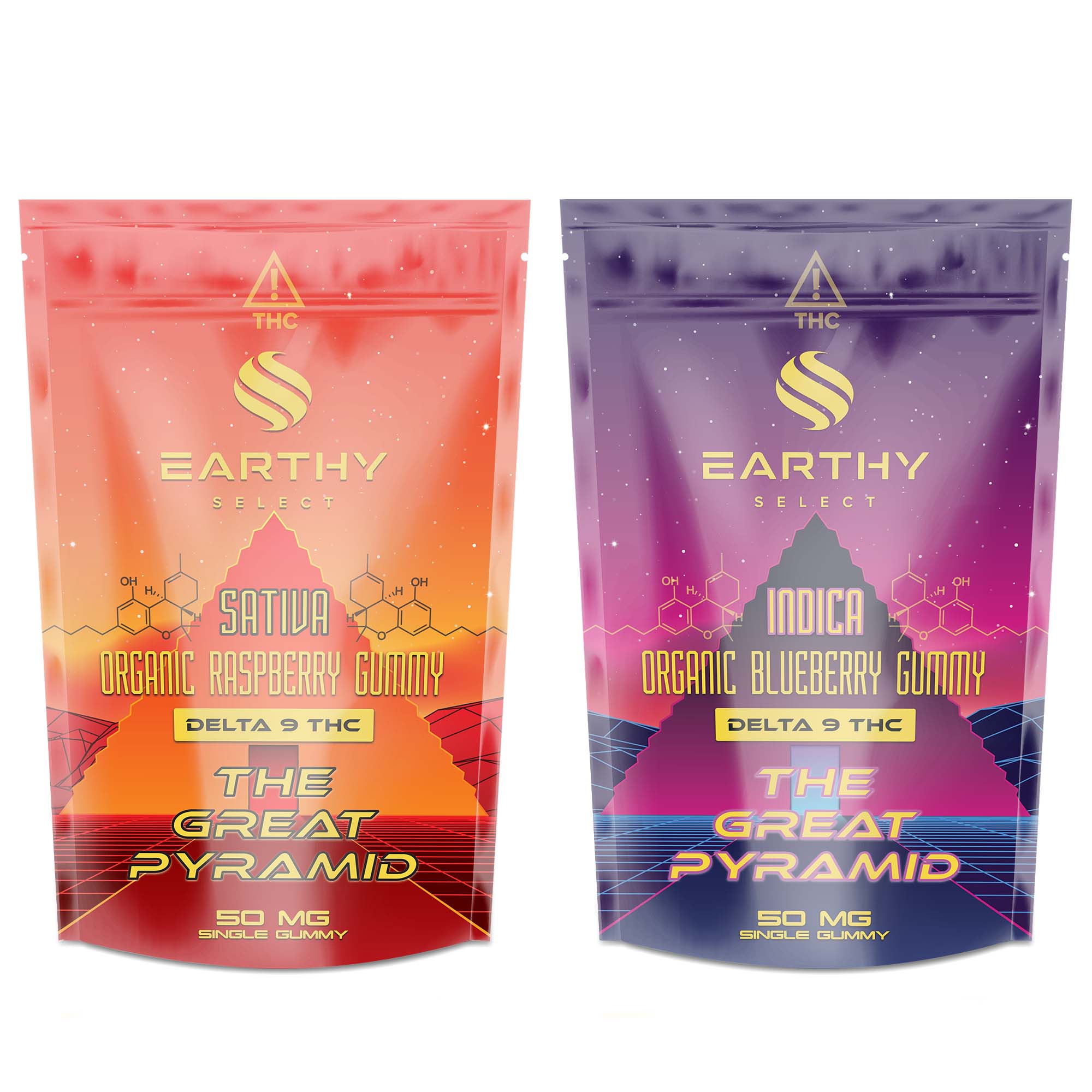
The same principle applies when comparing flower with infused products, including 50mg THC gummies. Gummies may contain added flavorings and different cannabinoid formulations, so their taste cannot reliably reveal the terpene profile of the original strain. A labeled THC amount also does not establish the presence or concentration of particular terpenes.
What to Look for When Evaluating a Terpene Profile?
Consumers interested in a cultivar's aroma can review a certificate of analysis, when available, to identify measured terpenes and their concentrations. A reliable report should correspond to the specific product or batch rather than relying exclusively on a strain description.
Storage also matters. Heat, oxygen, light, and time can affect volatile aromatic compounds, potentially changing a product's smell. Packaging and handling therefore play a role in preserving its original sensory characteristics.
Conclusion
The distinctive appeal of the banana bread strain comes from a complex sensory profile that may combine sweet, fruity, earthy, and warm aromatic notes. Terpenes such as myrcene, limonene, caryophyllene, and linalool offer useful examples of how plant-derived compounds can contribute to these impressions, although the exact composition must be verified for each sample.
For a more informed comparison, look beyond strain names and seek batch-specific laboratory information. Understanding the chemistry behind aroma makes it easier to distinguish documented terpene content from marketing descriptions and subjective flavor impressions.
Disclaimer: This article is intended for general educational and informational purposes only and does not constitute medical, legal, or professional advice. Hemp and THCA-related laws vary by jurisdiction and may change. Product composition and quality depend on cultivation, processing, storage, and testing. Always consult qualified professionals and applicable regulations before producing, distributing, or purchasing hemp-derived products.

 English
 Arabic
 Spanish
 Portuguese
 Deutsch
 Turkish
 Dutch
Dutch
 Italiano
 Russian
 Romaian
 Portuguese (Brazil)
 Greek
Greek