


How to Clean Bugs Off a Leather Motorcycle Jacket
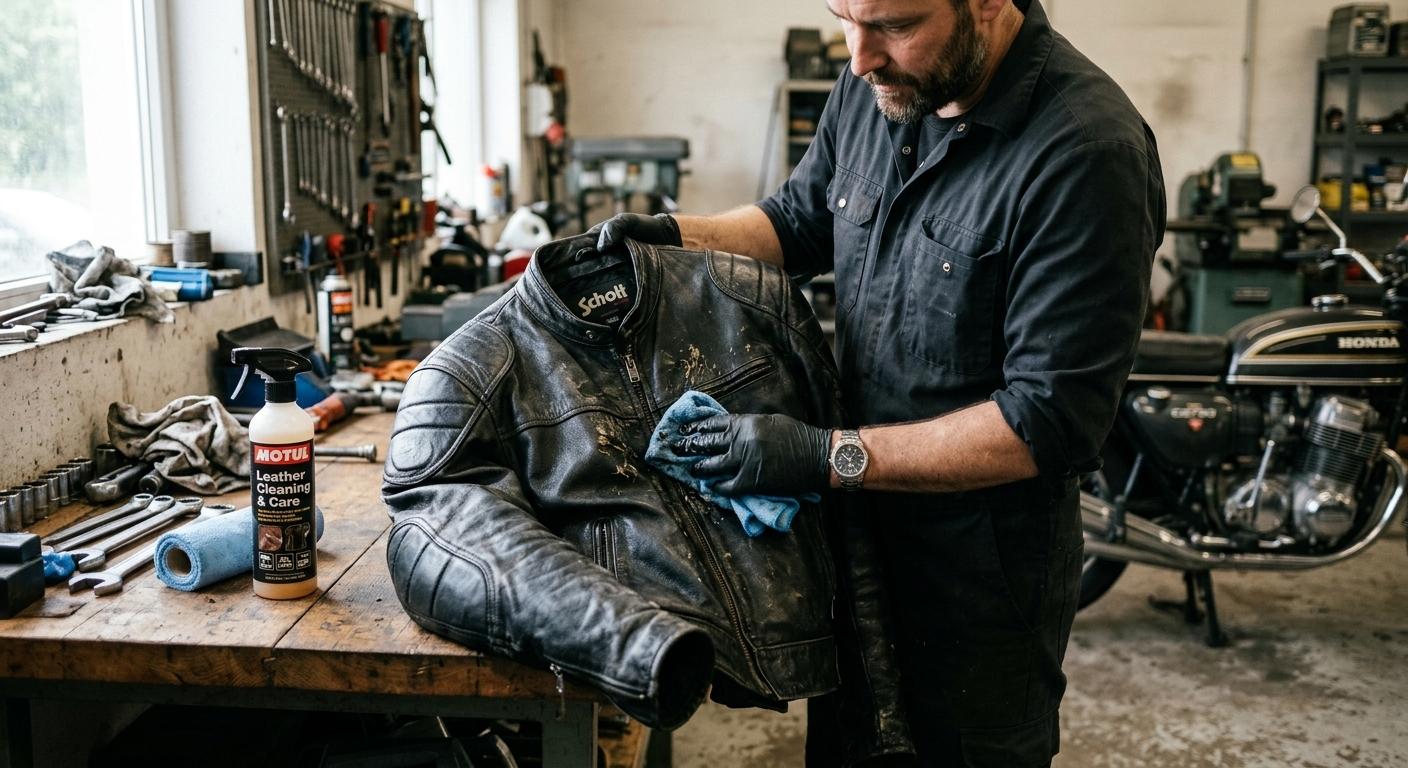
A great day on the open road usually ends with a layer of dead insects across your chest, shoulders, and sleeves. What starts as a simple cosmetic mess can quickly turn into a permanent problem once the splatter dries. If you ride in a purpose built men's leather motorcycle jacket, knowing how to safely remove bug residue without scratching the hide or stripping its protective finish is essential.
The secret to cleaning bugs off your gear is patience rather than pressure. Instead of scrubbing the surface aggressively with harsh chemicals, you should use simple, gentle methods that let moisture do the heavy lifting.
Why You Shouldn't Let Bug Residue Sit Too Long
Waiting until the end of the riding season to clean your jacket is a recipe for permanent staining. Insect splatter contains organic acids that can slowly eat into the leather finish if left to bake under the hot sun for days.
The longer bug residue is allowed to dry, the harder it becomes to remove safely. Once it hardens, it bonds with the grain of the hide, which increases the temptation to scrape or scrub the surface, actions that almost always damage the finish.
How to Identify Your Leather Before Cleaning
Before applying any water or cleaner to your jacket, you must understand what kind of material you are working with. Different finishes react differently to moisture and cleaning products.
-
Finished/Pigmented Leather: Has a protective surface coating that resists water, making it the easiest to wipe clean.
-
Aniline/Unfinished Leather: Extremely porous; it absorbs water quickly and can easily darken or stain if saturated.
-
Suede/Nubuck: Has a raised nap that can be permanently matted by liquid; requires dry cleaning brushes only.
Always test any wet cleaning method or leather cleaner on a hidden spot, like an inside hem or undercollar, before treating the front panels of your jacket.
Why You Must Remove Road Grit First
Never wipe down a dirty jacket without removing loose surface debris first. Fine road dust, sand, and tiny asphalt particles behave like sandpaper when rubbed against leather under pressure.
-
Dust off: Gently wipe the jacket down with a dry, clean, lint-free microfiber cloth to lift loose dirt.
-
Inspect crevices: Use a very soft-bristled brush to sweep out grit from pocket edges, seams, and zippers before adding moisture.
How to Soften and Wipe Away Dried Bugs Safely
Aggressive scrubbing will scratch and dull the surface finish of your jacket. The safest way to remove stubborn dried bugs is to make the residue softer, not your cleaning method harsher.
-
Soften first: Dampen a clean microfiber cloth with lukewarm water and hold it flat against the bug splatters for two to three minutes.
-
Let moisture work: Allow the wet cloth to rehydrate and loosen the dried, crusty organic material naturally.
-
Wipe gently: Wipe the softened residue away using light, circular motions without applying heavy pressure.
-
Repeat if needed: If some residue remains, hold the wet cloth over the spot again rather than trying to scrape it off.
How to Clean Bugs When a Damp Cloth Isn't Enough
If plain water does not lift the splatter, you should use a mild, pH-balanced motorcycle leather cleaner. Never apply the cleaner directly to the leather; instead, wipe a small amount onto a damp microfiber cloth first.
Avoid using household cleaning products like dish soap, laundry detergent, bleach, glass cleaner, or disinfecting wipes. These products contain harsh chemicals that strip away the natural oils of the hide, leaving the leather dry and prone to premature cracking.
How to Clean Seams, Zippers, and Perforated Panels
Bugs often collect in the hard-to-reach areas of your riding gear rather than just on the flat panels. These areas require a targeted, careful approach to protect the construction of the jacket.
-
Seams and Stitching: Wipe gently along the seams rather than across them to avoid snagging or fraying the threads.
-
Zippers and teeth: Use a soft, dry toothbrush to clear out organic matter from the zipper teeth so the slider can move freely.
-
Perforated Panels: Use minimal moisture and avoid letting liquid cleaner pool inside the airflow holes, which can rot the leather from the inside out.
How to Dry Your Leather Jacket After Cleaning
Once the bugs are gone, you must let your jacket dry slowly and naturally. Never use forced heat sources like hair dryers, radiators, space heaters, or direct intense sunlight, as fast drying will cause the leather to shrink and stiffen.
-
Blot moisture: Wipe down the exterior with a clean, dry towel to remove any excess surface water.
-
Hang correctly: Place the jacket on a wide, sturdy hanger to support the heavy shoulder seams.
-
Airflow: Open all the pocket and main zippers, then leave the jacket in a cool, well-ventilated room to dry at room temperature.
Do You Need to Apply a Conditioner After Bug Removal?
You do not need to apply leather conditioner every time you wipe bugs off your jacket. If you only used a lightly damp cloth with water, the natural oils inside the hide should remain perfectly balanced.
However, if you use a dedicated leather cleaner or if the hide feels dry and stiff after drying, apply a thin coat of leather cream or balm. Rub it in sparingly, let it penetrate, and buff away any excess product with a dry cloth.
How to Clean a Men's Leather Motorcycle Jacket
A classic men's leather motorcycle jacket is usually made from thick, heavy cowhide or rugged buffalo leather. Because these jackets feature broad chest and shoulder panels that take the brunt of highway airflow, they quickly accumulate massive amounts of bug splatter.
Always remove the heavy impact armor from the elbows, shoulders, and back protector pockets before cleaning. Armor inserts can trap moisture inside the jacket lining, making the drying process much slower and increasing the risk of mold.
How to Clean Women's Leather Motorcycle Jackets
Caring for heavy duty women's leather motorcycle jackets requires extra attention around tailored waist panels, shaped seams, and flexible stretch panels. These jackets often utilize softer, thinner leathers like goatskin or sheepskin, which can be more sensitive to moisture and rubbing.
Be careful when cleaning jackets that feature mixed-material panels, such as stretch Kevlar or mesh fabric inserts. Clean the leather sections individually, and avoid getting leather cleaners onto textile areas, as these products can leave greasy, permanent stains on fabric.
Common Bug-Cleaning Mistakes to Avoid
Most cleaning damage occurs because a rider loses patience and tries to speed up the process. Avoiding these common mistakes will keep your leather looking like new:
-
Using fingernails, keys, or plastic scrapers to chip away at dried insects.
-
Saturating the jacket with water or soaking the inner lining.
-
Using household baby wipes or chemical disinfecting sprays on the leather finish.
-
Storing a damp jacket in a closed gear bag or sealed closet before it dries completely.
You Need a Five-Minute Post-Ride Cleaning Routine
The easiest way to care for your jacket is to clean it immediately after your ride. Fresh bug splatter is incredibly easy to remove with a simple, lightly damp cloth before it has a chance to bake and harden.
Once your ride is over, take five minutes to wipe down the front panels and sleeves, empty your pockets, and hang the jacket on a wide, padded hanger in a well-ventilated space to let sweat air out.
When Does Bug Damage Need Professional Attention?
If bug residue has baked into the hide for months, it can leave behind permanent dark stains or dull spots where the finish has been compromised. If gentle cleaning does not improve the appearance, do not continue scrubbing.
Take your jacket to a professional leather cleaner who specializes in motorcycle gear. They can safely treat the organic stains and refinish the affected panels without ruining the structural integrity of your jacket.
Final Thoughts
Keeping your jacket clean does not have to be a difficult chore if you focus on gentle, proactive habits. By softening dried bugs with moisture before wiping them away, you preserve the protective finish of your leather.
Whether maintaining a heavy men's leather motorcycle jacket or delicate women's leather motorcycle jackets, treating the hide with care ensures your gear stays clean, soft, and ready to protect you on every ride.

 English
 Arabic
 French
 Spanish
 Portuguese
 Deutsch
 Turkish
 Dutch
Dutch
 Italiano
 Russian
 Portuguese (Brazil)
 Greek
Greek