


How to Choose Paper for Food Preparation
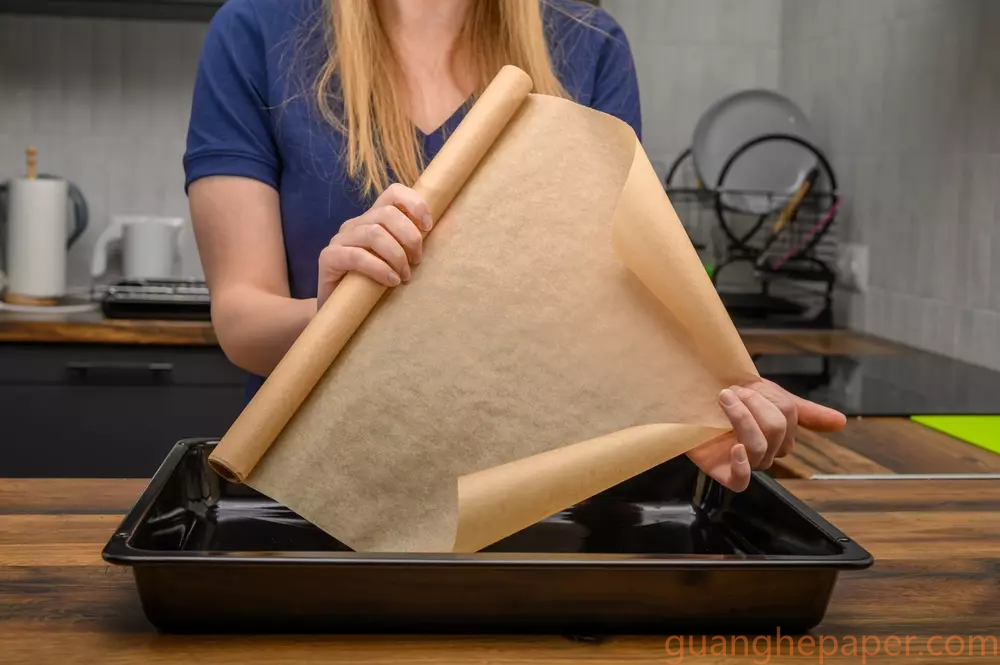
Paper products play an important role in commercial baking, food preparation, and food packaging. Bakeries, restaurants, food manufacturers, and distributors rely on suitable materials to improve handling efficiency, maintain consistent results, and simplify daily operations. Selecting Parchment Paper requires attention to material quality, surface performance, thickness, and the specific requirements of each application. Understanding these factors helps purchasing teams make informed decisions and establish dependable supply arrangements.
One of the most common applications is lining baking trays and pans. A suitable non-stick surface helps baked goods release more easily after cooking and reduces the amount of residue left on baking equipment. This can make cleaning more convenient and support smoother workflows in commercial kitchens. Depending on the product design, paper may also be used for cookies, pastries, bread, and other baked products. Users should always follow the manufacturer's instructions regarding temperature limits and intended applications.
The base paper is a key factor in finished product performance. It should offer appropriate strength, a relatively uniform surface, and sufficient flexibility for handling, cutting, and placement. Paper that tears easily may create difficulties during preparation, while inconsistent material properties can affect the overall user experience. Manufacturers therefore need to manage raw material selection and production conditions carefully. Consistent quality is particularly important for businesses that use large quantities of paper every day or supply products to multiple locations.
Surface treatment also influences performance. Silicone coating is commonly used in baking paper to create a non-stick surface that helps reduce sticking during food preparation. Uniform coating coverage is important because uneven treatment may lead to inconsistent release performance. The coating process must be matched to the paper base and the intended use. Buyers should confirm the coating type, product specifications, and applicable usage guidance before selecting materials for a particular baking process.
Thickness and weight should be selected according to operational needs. Lightweight paper may be appropriate for certain routine baking tasks, while a heavier grade may offer additional handling strength for applications requiring more durability. However, greater thickness does not automatically mean better performance. Surface quality, coating consistency, heat resistance, and the way the paper fits the equipment are also important. Businesses should assess samples under normal working conditions whenever possible before confirming large-volume purchases.
Product format is another practical consideration. Rolls provide flexibility because staff can cut material to the required length, making them useful for different tray sizes and preparation tasks. Pre-cut sheets offer convenience by reducing measuring and cutting time, especially in kitchens with standardized equipment. Businesses may also require different widths, lengths, sheet dimensions, or packaging formats to suit their production lines and storage arrangements. Discussing these requirements early can help buyers identify the most suitable supply option.
Quality management should include checks on material weight, thickness, dimensions, surface appearance, coating consistency, and packaging condition. Depending on the intended application, buyers may also need information about food-contact suitability and recommended operating conditions. Documentation should be reviewed for the specific product and destination market rather than assumed to apply to every paper grade. Clear specifications and traceable product information help reduce misunderstandings between manufacturers, distributors, and end users.
For wholesale procurement, supply reliability is just as important as product performance. Buyers should clarify minimum order quantities, sample availability, customization options, production lead times, and shipping arrangements. Protective packaging helps maintain product condition during transportation and storage. Consistent specifications across repeat orders also make it easier for distributors to maintain inventory and for food businesses to standardize their purchasing processes.
Environmental considerations can be part of the purchasing evaluation as well. Businesses may ask about the paper base, coating materials, packaging, and available documentation supporting environmental claims. Recycling and disposal options depend on the complete product construction and local waste management systems, so buyers should verify these details instead of relying on general assumptions. Accurate information supports more responsible purchasing decisions while keeping practical performance requirements in focus.
When comparing suppliers, businesses should consider application suitability, production consistency, customization, documentation, and long-term availability. A dependable supplier can help customers select appropriate formats and maintain clear specifications as their needs change. Guanghe provides paper solutions for baking and food packaging applications. Businesses looking for suitable products can explore the available range at https://www.guanghepaper.com/product/ and discuss their specific requirements before placing an order.

 English
 Arabic
 French
 Spanish
 Portuguese
 Deutsch
 Turkish
 Dutch
Dutch
 Italiano
 Russian
 Romaian
 Greek
Greek