


Laser Rust Removal Tool: Restore Metal Surfaces with Precision
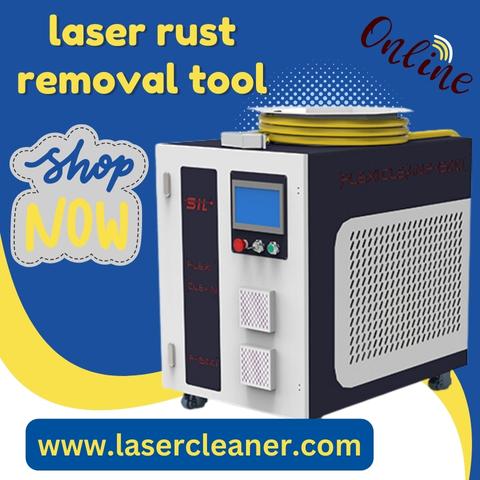
Rust can damage metal surfaces, reduce equipment performance, and affect the appearance of industrial products. Traditional rust removal methods often require abrasive materials, chemical treatments, or extensive manual labor. A laser rust removal tool offers a modern solution for removing rust and surface contaminants through controlled laser energy. This technology is suitable for various industrial applications, helping businesses maintain metal components and prepare surfaces for further processing.
As manufacturers look for efficient and precise cleaning methods, laser technology is becoming an important option for workshops, factories, automotive facilities, and metal fabrication businesses.
What Is a Laser Rust Removal Tool?
A laser rust removal tool is a specialized cleaning system that uses concentrated laser energy to remove rust, oxidation, paint, and other unwanted layers from metal surfaces. The laser interacts with the contaminated material, helping separate it from the underlying surface without relying on conventional abrasive blasting or chemical cleaning agents.
Depending on the machine's power, operating mode, and material characteristics, laser cleaning can be used on steel parts, metal tools, machinery components, automotive components, and other suitable workpieces.
Many modern systems feature handheld cleaning guns, adjustable operating parameters, and portable designs. These options allow operators to work on different surface shapes and sizes according to their production requirements.
How Does Laser Rust Removal Work?
Laser rust removal works by directing a controlled beam of laser energy toward the affected area. The energy interacts with the rust layer, causing it to detach or break down through processes such as heating and ablation.
The operator moves the laser across the surface, treating the contaminated areas while controlling the cleaning process. Correctly selected settings help achieve the required cleaning result without unnecessarily affecting the base material.
Several factors influence the process, including laser power, scanning speed, pulse characteristics, rust thickness, and the type of metal being treated. Testing the equipment on a small area before full-scale cleaning helps establish suitable parameters for a particular application.
Common Industrial Applications
A laser rust removal tool can support many industrial maintenance and surface preparation tasks.
Automotive maintenance: Automotive workshops can use laser cleaning to remove rust from selected metal components, repair areas, and parts that require surface preparation before welding or refinishing.
Metal fabrication: Fabricators can clean steel plates, brackets, frames, and other components before subsequent manufacturing processes.
Machinery maintenance: Industrial facilities can use laser cleaning to treat suitable machine components, tools, and metal surfaces affected by oxidation during storage or operation.
Shipbuilding and metal structures: Depending on the equipment's power and cleaning capacity, laser systems can address rust on selected structural components and metal assemblies.
Restoration projects: Workshops involved in restoring metal tools, machinery, and heritage objects may use carefully controlled laser cleaning where the material and coating conditions are suitable.
The correct equipment should be selected according to the size of the workpiece, the thickness of the rust, the required cleaning speed, and the acceptable surface condition.
Choosing the Right Laser Cleaning Machine
Selecting the right machine starts with understanding your cleaning requirements. Laser power is an important consideration because different levels of contamination require different amounts of energy. Light surface oxidation may need a different approach from thick rust accumulated over many years.
You should also consider whether a continuous-wave or pulsed laser system is appropriate for your application. Continuous-wave systems can suit certain high-throughput cleaning tasks, while pulsed systems can offer more controlled energy delivery for applications requiring careful treatment of the underlying material.
Portability is another important factor. Handheld systems can be useful for maintenance teams working on large equipment or components that cannot easily be moved. Integrated industrial systems may be more appropriate for production lines or repetitive cleaning operations.
Before purchasing, review the manufacturer's technical specifications, operating requirements, cooling arrangements, maintenance needs, warranty conditions, and available technical support. Requesting a demonstration or sample cleaning test can help verify whether the machine meets your expectations.
Understanding the Cost of Laser Rust Removal Equipment
The price of laser cleaning equipment varies according to laser source, power rating, operating mode, cooling system, automation level, and manufacturer. Portable systems designed for smaller maintenance tasks may have different costs from high-power industrial machines built for demanding production environments.
When comparing quotations, evaluate the complete system rather than focusing only on the initial purchase price. Consider electricity consumption, replacement components, maintenance, operator training, protective equipment, and expected working hours.
It is also useful to ask suppliers about spare parts availability and after-sales service. A machine that matches your workload and receives proper technical support can help maintain consistent production performance over time.
Safety and Operating Best Practices
Laser cleaning equipment must be operated according to the manufacturer's instructions and applicable laser safety regulations. High-powered laser beams can cause severe eye and skin injuries, including from reflected radiation.
Operators should use appropriate laser-rated protective eyewear, suitable barriers or controlled work areas, warning signs, and required interlocks. Local exhaust ventilation or suitable fume extraction is important because removing rust, paint, and coatings can release hazardous particles or fumes.
Before starting work, inspect the equipment, secure the workpiece, and confirm that the selected parameters are appropriate for the material. Avoid cleaning unknown coatings without assessing their potential hazards, and never direct the beam toward people or reflective surfaces without proper controls.
Regular inspection and maintenance also help keep the system operating reliably.
Final Thoughts
A laser rust removal tool provides a modern approach to metal surface cleaning for manufacturers, maintenance professionals, and restoration specialists. By selecting the appropriate laser technology, power level, and operating configuration, businesses can address rust removal requirements across a wide range of suitable applications.
Before investing, assess your materials, production volume, cleaning standards, and safety requirements. Working with a reputable supplier that provides clear specifications, application guidance, and dependable technical support can help you choose equipment suited to your long-term operational needs.

 English
 Arabic
 French
 Spanish
 Portuguese
 Turkish
 Dutch
Dutch
 Italiano
 Russian
 Romaian
 Portuguese (Brazil)
 Greek
Greek