


Why Law Enforcement Professionals Rely on High Quality Hard Knuckle Gloves
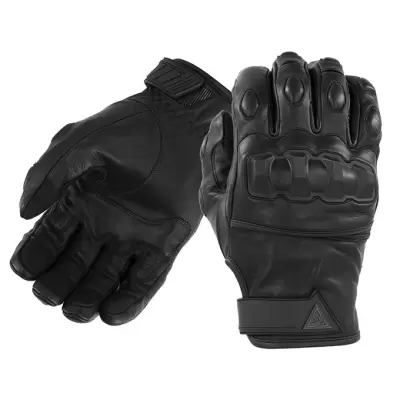
Law enforcement work places officers in unpredictable situations where the condition of their equipment can directly affect their safety. Among the many items carried on duty, gloves are sometimes underestimated, yet the hands are constantly exposed to risk, whether during searches, arrests, crowd control, or physical confrontations.
This is why high quality hard knuckle gloves have become a trusted part of the kit for many law enforcement professionals. They combine impact protection, durability, and dexterity in a single piece of gear that supports officers in demanding situations.
2. The Hand Injury Risks Officers Face:
An officer’s hands are involved in nearly every aspect of the job. They are used to handle equipment, restrain individuals, search vehicles and premises, and clear obstacles. Each of these tasks exposes the hands to different dangers, including blunt impact, abrasion against rough surfaces, cuts from broken glass or sharp metal, and crushing injuries from doors or equipment. During physical altercations, the knuckles and the back of the hand are particularly vulnerable, since fractures and joint injuries can occur from even brief contact.
The consequences of such injuries extend beyond pain. A damaged hand can limit an officer’s ability to handle a firearm, operate a radio, or control a subject, which affects both personal safety and the safety of colleagues. Recovery time can also mean extended periods away from active duty, placing strain on departments that are already stretched. Protecting the hands is therefore both a personal and an operational priority.
3. How Hard Knuckle Protection Addresses These Risks:
High quality hard knuckle gloves are designed to meet these risks directly. The rigid protective shell over the knuckles absorbs and spreads impact, reducing the force that reaches the bones and joints. Beneath the shell, shock-absorbing padding further softens the blow and improves comfort. Together, these layers lower the likelihood of fractures, bruising, and soft tissue damage when an officer is in a physical encounter or strikes a hard surface unexpectedly, such as when breaking through an obstacle.
Many professionals also value the added protection against abrasion and cuts. Durable outer materials and reinforced stitching help the glove resist scraping against pavement, brick, or metal, and some designs include cut-resistant elements for searches where sharp objects may be hidden. The result is a glove that supports a wider range of tasks without requiring officers to switch equipment.
4. Why Quality Is the Deciding Factor:
Not all gloves with a hard knuckle design perform equally, and officers tend to be quick to notice the difference. In lower-quality products, the protective shell may be loosely attached, the padding may compress and lose its effectiveness, and the stitching may fail under stress. When a glove fails in the field, the officer discovers its weakness at the worst possible moment.
High quality construction removes much of that uncertainty. Firmly anchored protective components, dense padding, strong outer materials, and reinforced seams allow the glove to perform consistently, shift after shift. For law enforcement professionals, reliability is the most important characteristic of any piece of equipment, since officers must be able to trust their gear without having to think about it.
5. Dexterity and Control in High-Pressure Situations:
Protection alone is not enough if it interferes with an officer’s ability to work. Law enforcement tasks often require fine motor control, such as handling a firearm, using handcuffs, operating a flashlight, or manipulating a radio. Gloves that are bulky or stiff can slow these actions and reduce confidence.
High quality hard knuckle gloves are designed to balance protection with mobility. Articulated finger construction, flexible materials in key areas, and a precise fit allow officers to maintain tactile feedback and a secure grip. Textured palm surfaces further improve control, particularly in wet conditions or during physical contact. This balance means officers can keep their hands protected without sacrificing the speed and accuracy that their duties demand.
6. Comfort and Durability Over Long Shifts:
Law enforcement shifts are long, and officers may wear the same gear for many hours in varying weather. Comfort therefore plays a significant role in whether a glove is used consistently. Breathable linings, ventilation panels, and well-shaped interiors help reduce heat, sweat, and chafing, keeping the hands comfortable and the grip steady.
Durability is equally important. Equipment used daily by officers faces constant wear from handling gear, entering and exiting vehicles, and operating in different environments. Gloves made from strong materials with carefully reinforced construction maintain their shape and protective qualities for far longer. This longevity reduces the frequency of replacement and gives departments better value over time.
7. Compatibility with Other Duty Gear:
Officers carry a wide range of equipment, and gloves must work alongside it without creating problems. Quality hard knuckle gloves are designed to fit comfortably with duty belts, radios, body armor, and other tools. Secure wrist closures keep the glove in place during movement, while a streamlined profile prevents snagging on equipment or clothing.
This compatibility matters in practice. A glove that catches on a holster, slows access to a tool, or shifts out of position can become a hindrance rather than a help. Professionals tend to favor gloves that integrate smoothly with their existing kit, allowing them to stay protected without adjusting how they work.
8. Choosing the Right Gloves for Departments and Units:
For departments and units purchasing equipment for multiple officers, the choice of gloves involves several practical considerations. Consistent quality across all sizes, a reliable supply, and the ability to meet specific requirements are all important. Working with an established manufacturer that offers clear specifications, quality control, and responsive support helps ensure that every officer receives equipment they can depend on.
Testing samples under real conditions is a sensible step before committing to a larger order. Feedback from officers who wear the gloves during training and daily duties offers valuable insight into fit, comfort, and performance, and helps departments select gear that genuinely meets their needs.
9. Conclusion:
Law enforcement professionals rely on high quality hard knuckle gloves because they offer a dependable combination of impact protection, durability, dexterity, and comfort. In a profession where hand injuries can limit an officer’s effectiveness and safety, equipment that performs consistently is an important safeguard. By choosing well-made gloves and evaluating them carefully, officers and departments can protect one of their most important tools and stay prepared for the demands of the job.

 English
 Arabic
 French
 Spanish
 Portuguese
 Deutsch
 Turkish
 Dutch
Dutch
 Italiano
 Russian
 Romaian
 Portuguese (Brazil)