


How Botox Injections Affect Facial Muscles and Skin Movement
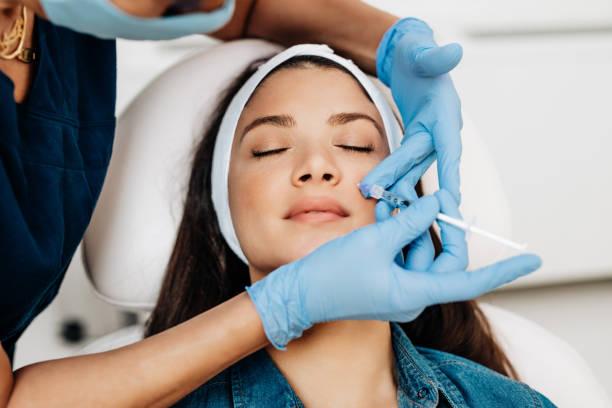
Facial expressions are created through coordinated muscle contractions that move the skin in different directions. Smiling, frowning, squinting, and raising the eyebrows can gradually contribute to expression lines as the same movements are repeated over time. For people considering Botox injections in Riyadh (حقن البوتوكس في الرياض), understanding the relationship between facial muscles and skin movement can make the treatment easier to understand. Botox works by temporarily reducing activity in selected muscles, helping soften certain dynamic wrinkles while allowing a carefully planned range of natural facial movement.
How Botox Interacts With Facial Muscles
Botox contains botulinum toxin type A, which temporarily interferes with nerve signals responsible for muscle contraction. Normally, nerves release acetylcholine to tell a muscle to contract. Botox reduces this communication at the treated location, causing the targeted muscle to relax. For individuals exploring Botox injections in Riyadh, this mechanism explains why the treatment can reduce the visibility of wrinkles associated with repeated facial expressions without surgically changing facial structures.
Reducing Muscle Contraction
When a targeted muscle contracts less frequently or forcefully, the skin above it may experience fewer repetitive folds. Over time, this can make certain dynamic wrinkles appear softer. The effect is temporary, as nerve-to-muscle communication gradually returns and the treated muscle regains activity.
Targeting Specific Muscles
Botox is not intended to relax every facial muscle. Instead, treatment focuses on selected muscles that contribute to specific aesthetic concerns. Precise placement is important because neighboring muscles may have different functions and contribute to facial expression, eyebrow position, or other movements.
How Reduced Muscle Activity Affects the Skin
The skin and facial muscles work closely together. When muscles repeatedly contract, the skin folds along familiar expression patterns. By temporarily reducing activity in selected muscles, Botox can decrease the frequency and intensity of these folds. This may result in a smoother appearance in areas affected by dynamic wrinkles.
Dynamic Wrinkles
Dynamic wrinkles are most noticeable when the face moves. Common examples include forehead lines, frown lines between the eyebrows, and crow's feet around the eyes. Because these lines are strongly connected to muscle activity, reducing contraction can make them less visible.
Static Wrinkles
Static wrinkles remain visible even when the face is relaxed. They may be influenced by aging, reduced skin elasticity, sun exposure, and other changes in skin structure. Botox primarily addresses muscle activity, so deeper static wrinkles may not respond in the same way as dynamic lines.
Botox and Natural Facial Expressions
One common concern is whether relaxing facial muscles will make the face appear stiff or expressionless. The outcome depends heavily on treatment planning, injection placement, dosage, and individual anatomy. The purpose of aesthetic Botox is generally to reduce unwanted or excessive movement rather than eliminate facial expression completely.
Maintaining Facial Movement
A carefully designed treatment can allow important facial movements to remain while reducing excessive contraction in targeted areas. This balance helps support a natural-looking result. During consultation, patients can explain whether they prefer subtle smoothing or a more noticeable reduction in movement.
Facial Balance Matters
Facial muscles do not work independently. Movement in one area can influence the appearance of nearby features. A practitioner therefore needs to consider overall facial proportions and muscle patterns when deciding where Botox should be administered. This can help prevent unnecessary changes to facial balance.
Common Areas Where Botox Influences Muscle Activity
Botox may be used in several areas where muscle movement contributes to visible lines. The forehead, glabellar region between the eyebrows, and outer eye area are commonly considered treatment sites. In selected cases, other facial muscles may also be treated depending on the individual's anatomy and aesthetic goals.
Forehead Muscle
The forehead muscle helps raise the eyebrows and contributes to horizontal lines. Reducing its activity may soften these lines, but careful treatment is important because excessive relaxation can affect eyebrow movement.
Muscles Between the Eyebrows
The muscles around the glabella contribute to frowning and inward eyebrow movement. Botox can temporarily reduce their activity, helping soften vertical frown lines and create a more relaxed appearance.
Muscles Around the Eyes
The muscles surrounding the eyes contract during smiling and squinting. Carefully targeted treatment may reduce the appearance of crow's feet while preserving appropriate expression.
What Determines the Treatment Effect?
The response to Botox differs between individuals because facial muscles vary in strength, size, and activity. The number of treatment areas, injection technique, individual physiology, and characteristics of the wrinkles can all influence the visible outcome. This makes personalized assessment an important part of treatment planning.
Individual Muscle Strength
People with stronger facial muscles may have different treatment needs from those with less pronounced muscle activity. A professional assessment helps determine which muscles are contributing to the concern and how they interact with surrounding structures.
Injection Precision
Small differences in injection location can influence which portion of a muscle is affected. Precise technique can help focus the treatment where it is needed while reducing unnecessary effects on nearby muscles.
What to Expect After Treatment
Botox does not generally produce its full effect immediately. The targeted muscles gradually become less active, and visible changes develop over time. Results can vary according to the treated area and individual response. Patients should follow the aftercare instructions provided by their practitioner and seek professional advice if they experience unexpected concerns.
Is Botox Suitable for You?
Botox may be considered by adults who want to soften dynamic wrinkles or address specific concerns associated with excessive facial muscle activity. However, it is not suitable for every person or every type of wrinkle. A consultation allows a qualified practitioner to review your facial movement, medical history, expectations, and aesthetic goals before recommending treatment.
Why Professional Assessment Is Important
Because Botox directly affects muscle activity, knowledge of facial anatomy is essential. A personalized treatment plan can help target the appropriate muscles while maintaining overall facial harmony. If you are considering Botox injections in Riyadh, consulting a qualified practitioner can help you understand how the treatment may affect your particular facial movements and what results may realistically be expected.
Book an Appointment at Royal Clinic Saudi
If you want to understand how Botox may affect your facial muscles and skin movement, a professional consultation is a useful starting point. Royal Clinic Saudi (عيادات رويال كلينك) can assess your facial expressions, discuss your aesthetic concerns, and explain suitable treatment options based on your individual features. Book an appointment to explore whether Botox fits your facial refinement goals.
FAQs:
1. How does Botox affect facial muscles?
It temporarily reduces nerve signals that cause selected muscles to contract.
2. Does Botox stop facial movement completely?
No. Properly planned treatment aims to reduce targeted movement while preserving natural expressions.
3. Can Botox make skin look smoother?
Yes. Reduced muscle contraction can lessen repetitive skin folding and soften dynamic wrinkles.
4. How long does the effect of Botox last?
The effect is temporary, and muscle activity gradually returns as nerve-to-muscle communication recovers.

 English
 Arabic
 French
 Spanish
 Portuguese
 Turkish
 Dutch
Dutch
 Italiano
 Russian
 Romaian
 Portuguese (Brazil)
 Greek
Greek