


What Are the Most Affordable Steps to Remodeling a House in Huntsville, AL?
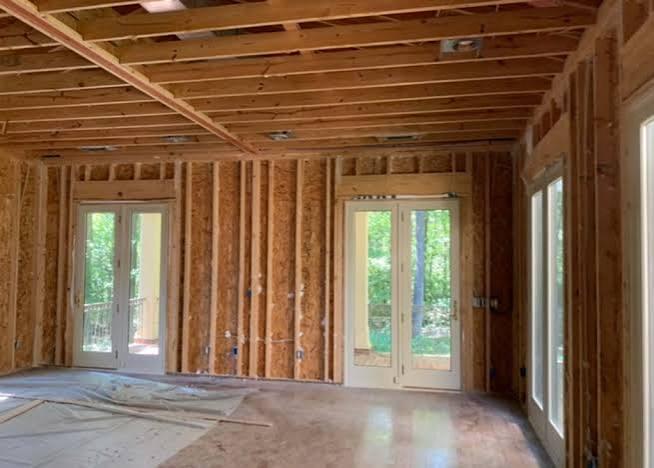
Remodeling a home does not always require a complete transformation or a large construction budget. With careful planning, homeowners can improve comfort, update outdated rooms, and make better use of their existing space without spending unnecessarily. Understanding the affordable steps to remodeling a house in Huntsville, AL, can help you prioritize important improvements, compare materials, and avoid common renovation mistakes.
Whether you want to refresh your kitchen, replace old flooring, repair drywall, update a bathroom, or improve several rooms, the key is to create a realistic plan before starting work. A successful remodeling project focuses on the home's actual needs, uses the available budget wisely, and balances appearance with long-term durability.
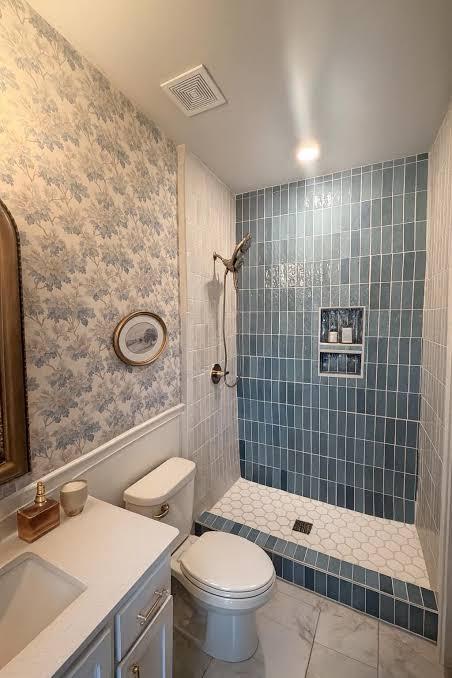
Why Should You Plan Your Home Remodeling Budget First?
The first step in an affordable home renovation is determining how much you can comfortably spend. Without a clear budget, small design changes and unexpected repairs can gradually increase the total project cost.
Start by inspecting your home and listing the improvements you want to make. Separate essential repairs from optional upgrades so you can direct your money toward the most important work.
For example, a homeowner might need to repair water-damaged drywall before repainting a room. Another homeowner may benefit more from replacing damaged flooring than installing decorative features.
Consider these budget categories:
· Materials, including flooring, paint, tiles, cabinets, and fixtures
· Labor for installation, repairs, and specialized construction
· Permits, inspections, and professional assessments when required
· Demolition, debris removal, and surface preparation
· A contingency fund for concealed damage or unexpected expenses
Keeping a financial reserve is especially useful when remodeling older homes, where hidden plumbing problems, damaged subfloors, or outdated electrical components may be discovered after work begins.
What Are the Most Affordable Steps to Remodeling a House in Huntsville, AL?
A practical remodeling strategy follows a logical order. Completing the right work at the right time can reduce rework and help homeowners control spending.
1. Inspect the House and Identify Essential Repairs
Before selecting colors or purchasing new materials, inspect the home's condition. Look for leaking pipes, roof problems, soft flooring, damaged drywall, sticking doors, and signs of moisture.
Pay attention to areas that may affect safety or cause additional damage if ignored. Structural concerns, persistent leaks, and electrical problems should be evaluated by qualified professionals.
Why this saves money: Addressing underlying problems first reduces the risk of damaging new finishes or paying to complete the same work twice.
2. Choose One Priority Area at a Time
Trying to remodel every room simultaneously can place unnecessary pressure on your budget. Instead, identify the spaces that need the most attention.
A kitchen may require functional improvements, while a bathroom might need better ventilation or repairs to damaged surfaces. A living room may only need fresh paint, updated lighting, and a flooring refresh.
Create three lists:
· Essential: Repairs that protect the home or restore functionality.
· Important: Improvements that make everyday living more comfortable.
· Optional: Decorative upgrades that can wait until later.
This approach allows you to complete a manageable project before committing to another one.
3. Refresh Walls With Paint and Minor Repairs
Painting is one of the simplest ways to change the appearance of a room without replacing major components. Neutral colors can make spaces feel brighter, while carefully selected accent colors add character.
Before painting, repair cracks, fill small holes, sand rough areas, and clean the surfaces. Apply an appropriate primer where necessary, especially over stains or repaired drywall.
If you discover recurring cracks, water stains, or signs of movement, investigate the cause rather than covering the problem with paint.
Affordable improvements may include repainting interior walls, refreshing trim, repairing minor drywall damage, and updating dated finishes.
4. Compare Flooring Options Before Replacing Existing Floors
Flooring can influence both the appearance and functionality of a home. However, replacing every floor covering is not always necessary.
First, determine whether the existing flooring can be repaired, refinished, or professionally cleaned. Hardwood floors may benefit from refinishing if the boards remain in suitable condition. Some damaged sections of other flooring types may be repairable.
If replacement is necessary, compare options according to the room's purpose, installation requirements, maintenance needs, and expected lifespan.
Luxury vinyl plank, laminate, tile, and engineered flooring each have different benefits and limitations. For example, moisture resistance, subfloor condition, and manufacturer installation requirements should influence the choice.
Budget tip: Compare the complete installed cost rather than the material price alone. Underlayment, floor preparation, transitions, removal, and waste can affect the final expense.
5. Update the Kitchen Without Replacing Everything
A kitchen remodel can become expensive when cabinets, appliances, countertops, flooring, and plumbing are all replaced at once.
Consider whether existing cabinets are structurally sound. If they are, cleaning, painting, replacing hardware, or updating selected cabinet doors may improve their appearance at a lower cost than a full replacement.
Other practical kitchen improvements include:
· Installing a new backsplash where appropriate
· Replacing worn cabinet handles and drawer pulls
· Improving task lighting
· Repairing damaged cabinet hinges
· Refreshing wall paint
· Replacing a worn faucet when compatible with the existing plumbing
Before changing the kitchen layout, consider the additional work involved in relocating water lines, drains, gas connections, or electrical outlets. Keeping the existing layout can help limit project complexity.
6. Make Bathroom Improvements That Address Functionality
Bathrooms require careful material selection because they experience regular moisture and temperature changes. A budget-friendly update might include replacing outdated fixtures, refreshing paint, updating a mirror, or installing new hardware.
However, cosmetic improvements should not hide leaking pipes, damaged subfloors, failed waterproofing, or persistent mold growth.
Choose suitable materials for wet areas and ensure that ventilation works properly. If a shower or tub requires significant waterproofing repairs, have the underlying problem evaluated before installing new finishes.
A well-planned bathroom remodel focuses on durability and water management rather than appearance alone.
7. Choose Materials Based on Value, Not Just Price
The least expensive material is not always the most affordable option over time. Materials that wear out quickly or require frequent maintenance can increase long-term expenses.
When comparing products, consider:
· Purchase price and installation cost
· Durability under normal household use
· Cleaning and maintenance requirements
· Moisture resistance where relevant
· Availability of replacement parts
· Warranty terms and installation conditions
For example, a moderately priced flooring product with appropriate wear resistance may provide better value than a cheaper product that is unsuitable for the room.
Ask suppliers about product specifications, and make sure the materials you select are compatible with the existing structure and intended use.
8. Improve Lighting and Energy Efficiency
Some home improvements can enhance comfort while helping reduce energy waste. Begin with practical changes such as replacing suitable older light bulbs with energy-efficient alternatives, sealing appropriate air leaks, and addressing gaps around doors and windows.
Consider whether the attic insulation, weatherstripping, and ventilation need attention. The right improvements depend on the home's current condition.
In Huntsville, Alabama, warm and humid weather makes moisture management particularly important. Proper ventilation and appropriate air-conditioning performance can help manage indoor humidity, although persistent moisture problems require investigation rather than simply adding insulation or sealant.
Avoid replacing functioning equipment solely for cosmetic reasons. Compare expected operating savings, installation costs, and maintenance needs before making a major upgrade.
9. Decide Which Tasks You Can Safely Handle Yourself
Doing selected tasks yourself may reduce labor expenses when you have the necessary skills and tools. Painting, removing cabinet hardware, and completing simple decorative updates may be suitable for capable homeowners.
More complex work should be assessed carefully. Structural modifications, significant plumbing changes, electrical work, and specialized waterproofing can create expensive problems if performed incorrectly.
Before beginning a project, check applicable local requirements and determine whether a qualified or licensed professional is needed.
DIY work is most cost-effective when it can be completed correctly without compromising safety, code compliance, or the quality of later installations.
10. Obtain Written Estimates From Remodeling Contractors
For projects involving multiple trades, compare estimates from qualified contractors. Request proposals based on the same project scope so you can evaluate them fairly.
A useful estimate should explain the work included, material specifications, labor, exclusions, expected schedule, payment arrangements, and how changes will be approved.
Ask whether demolition, debris disposal, surface preparation, permits, and final cleanup are included. A lower estimate may omit work that another contractor has already accounted for.
Check applicable licensing, insurance, references, and experience with similar projects. A written agreement can help both parties understand their responsibilities and reduce disputes.
What Home Remodeling Projects Should Huntsville Homeowners Prioritize?
The best order depends on the property's condition, but the following general priorities can help guide decisions.
|
Priority |
Project |
Main purpose |
|
1 |
Roof, plumbing, or structural repairs |
Protect the home from damage |
|
2 |
Electrical, mechanical, and safety concerns |
Improve safe operation |
|
3 |
Moisture control and ventilation |
Reduce the risk of recurring problems |
|
4 |
Flooring, drywall, and surface repairs |
Restore functionality and appearance |
|
5 |
Kitchen and bathroom updates |
Improve everyday usability |
|
6 |
Paint, hardware, and decorative finishes |
Refresh the overall look |
This is a general framework rather than a fixed schedule. A home with a failing bathroom floor, for instance, may require that repair before other projects begin.
Do You Need a Permit for Affordable House Remodeling in Huntsville, AL?
Some homeowners assume that smaller renovation projects never require permits. Requirements depend on the type of work, the property's location, and the applicable regulations.
The City of Huntsville provides guidance through its official building licenses and permits page. The city's inspection FAQ also discusses permit requirements and contractor licensing.
Before starting work involving structural changes, major alterations, or regulated trades, confirm the requirements with the relevant building department. Properties outside Huntsville city limits may fall under a different jurisdiction.
Planning for required permits and inspections helps prevent delays and reduces the risk of having to redo work that does not meet applicable requirements.
How Can You Avoid Unexpected Remodeling Expenses?
Unexpected costs often arise when the project scope is unclear, materials are selected too late, or concealed damage is discovered during demolition.
Use these practical steps to maintain control:
1. Finalize the major design decisions before construction begins.
2. Record the exact materials and finishes included in the estimate.
3. Keep a contingency reserve separate from the planned project expenses.
4. Approve changes in writing before additional work proceeds.
5. Track purchases, invoices, payments, and completed milestones.
6. Inspect completed work before making final payments under the agreed contract.
If the project reveals hidden damage, ask the contractor to explain the issue, outline the repair options, and provide a revised estimate before proceeding.
Clear communication and documented decisions are often more effective at controlling costs than choosing the lowest initial quote.
Conclusion
Affordable home remodeling is about making informed decisions rather than choosing the cheapest option for every part of the project. Homeowners can often manage expenses by identifying essential repairs, working on priority areas, refreshing existing finishes, comparing durable materials, and obtaining detailed estimates before construction begins.
For anyone exploring affordable steps to remodeling a house in Huntsville, AL, a sensible starting point is to assess the home's condition, create a realistic budget, and establish a clear order of work. Addressing underlying problems before cosmetic upgrades can help protect your investment and make future improvements easier to plan.
With careful preparation, practical material choices, and appropriate professional support, you can improve your home's comfort, functionality, and appearance while keeping the renovation aligned with your financial goals.
Frequently Asked Questions
1. What is the most affordable way to remodel a house?
Start with necessary repairs and focus on a few high-impact improvements. Repainting, repairing existing cabinets, updating hardware, and refinishing suitable flooring may cost less than replacing entire rooms.
2. Should I remodel my entire house at once?
Not necessarily. Completing work in phases can help spread expenses over time. However, coordinate related projects carefully so that separate phases do not create repeated demolition, installation, or labor costs.
3. How can I reduce kitchen remodeling expenses?
Keep the existing layout when practical, repair sound cabinets, reuse suitable appliances, and compare countertop and backsplash materials. Avoid moving plumbing and electrical connections unless the change provides a clear benefit.
4. What should I repair before remodeling a bathroom?
Investigate leaks, damaged subfloors, plumbing issues, ventilation problems, and failed waterproofing before installing new fixtures or finishes. Cosmetic updates should follow necessary repairs.
5. How do I choose a reliable remodeling contractor in Huntsville?
Compare written estimates, verify relevant licenses and insurance, review similar completed projects, and ask for references. Make sure the agreement defines the scope, materials, payment schedule, and change-order process.
6. Are permits required for home remodeling in Huntsville, AL?
Some projects require permits or inspections, depending on their scope and location. Contact the appropriate building department before starting structural alterations or regulated trade work.
7. How much should I save for unexpected renovation costs?
Set aside a separate contingency reserve based on the home's age, condition, and project complexity. Older homes and projects involving demolition or hidden systems may need more flexibility than straightforward cosmetic updates.
8. Is it cheaper to remodel or move to another house?
The answer depends on the required improvements, moving expenses, property costs, and whether the current home's layout meets your needs. Compare a realistic remodeling estimate with the total cost of moving before deciding.
Article Written By: Rank Business Listings

 Arabic
 French
 Spanish
 Portuguese
 Deutsch
 Turkish
 Dutch
Dutch
 Italiano
 Russian
 Romaian
 Portuguese (Brazil)
 Greek
Greek