


How to Get Crispy Edges and a Juicy Center in Beef Chapli Kababs
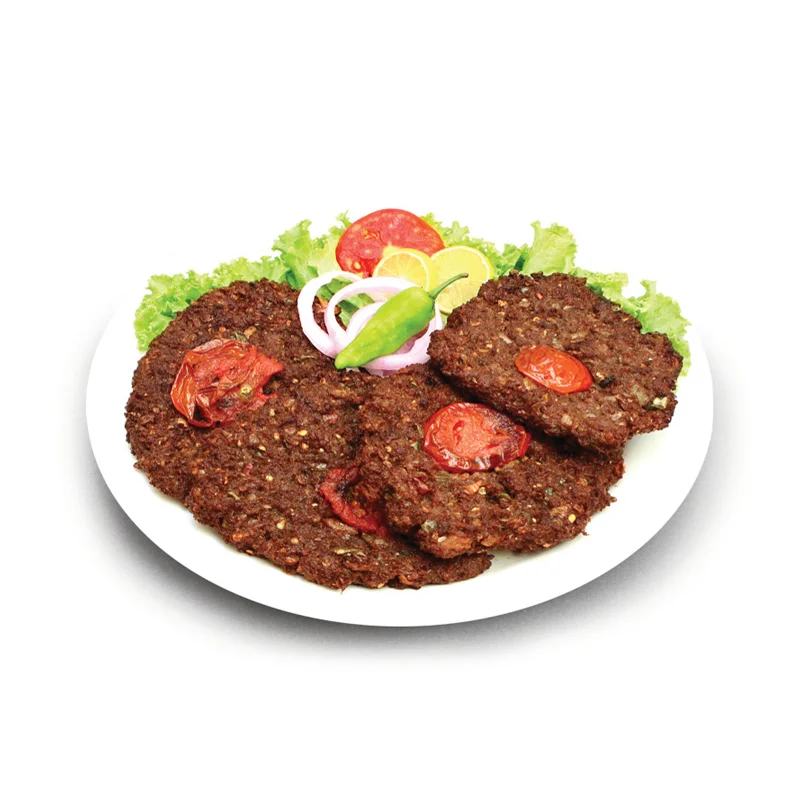
Beef chapli kababs are a favorite in Pakistani cuisine, loved for their bold spices, golden-brown edges, and tender, juicy centers. Traditionally associated with Pashtun cooking, these flat beef patties combine minced meat, fresh herbs, chopped vegetables, and aromatic seasonings to create a distinctive flavor. Whether served at family dinners, weekend gatherings, or special occasions, chapli kababs are a delicious choice when paired with naan, paratha, chutneys, and fresh salad.
However, preparing chapli kababs with the perfect texture can be challenging. Some turn out dry and tough, while others become greasy, fall apart during frying, or fail to develop a crispy exterior. The secret is to balance the ingredients, control moisture, shape the patties correctly, and cook them at the right temperature. By following a few practical techniques, you can make flavorful beef chapli kababs at home with crispy edges and a juicy center.
1. Choose Minced Beef with the Right Fat Content
The quality of the minced beef significantly affects the final texture of your chapli kababs. Meat that is too lean may become dry during cooking, while excessive fat can make the patties greasy.
For a balanced result, choose minced beef containing approximately 15 to 20 percent fat. The fat melts during cooking, contributing moisture, tenderness, and a rich beef flavor.
Medium-ground beef is generally a good option because it provides a suitable texture for shaping the patties. Avoid repeatedly grinding or excessively handling the meat, as this may produce a dense mixture.
If you use frozen minced beef, thaw it safely in the refrigerator and drain any excess liquid before mixing it with the other ingredients.
2. Balance the Vegetables and Spices
Traditional chapli kababs get their characteristic flavor from a combination of fresh vegetables, herbs, and spices. Onions, tomatoes, green chilies, coriander, cumin, and crushed coriander seeds all contribute to their distinctive taste.
For approximately four servings, you can use:
-
500 grams of minced beef
-
One medium onion, finely chopped
-
One small tomato, finely chopped
-
Two green chilies, chopped
-
Two tablespoons of fresh coriander
-
One tablespoon of ginger-garlic paste
-
One teaspoon of crushed coriander seeds
-
Half a teaspoon of cumin powder
-
Half a teaspoon of red chili powder
-
Salt and garam masala according to taste
You may also add crushed pomegranate seeds for a tangy flavor.
The key is to use the ingredients in balanced quantities. Excessive vegetables can weaken the mixture, while too many dry spices may overpower the natural flavor of the beef.
3. Control Excess Moisture in the Mixture
Moisture management is one of the most important factors in achieving crispy edges. If the mixture contains too much liquid, the kababs may release moisture into the pan instead of developing a golden crust.
Finely chop the onions and tomatoes, then remove excess liquid before adding them to the meat. Do not squeeze them completely dry because their moisture contributes to flavor and tenderness.
Combine the vegetables with the minced beef and seasonings until everything is evenly distributed. If the mixture feels too wet to shape, add a small amount of roasted gram flour.
Avoid adding excessive flour, as it can make the kababs dense and dry. The ideal mixture should remain moist but firm enough to hold its shape.
4. Avoid Overmixing the Meat
Mixing the ingredients properly helps distribute the spices, but overworking the beef can create a compact texture that becomes firm during cooking.
Use your hands or a spoon to combine the ingredients gently. Stop once the vegetables, herbs, and seasonings are evenly incorporated.
Cover the mixture and refrigerate it for approximately 20 to 30 minutes. This resting period helps the flavors combine and makes the meat easier to shape.
Keeping the mixture chilled also helps the fat remain firm before cooking, making the patties easier to handle.
5. Shape the Kababs for Even Cooking
Chapli kababs are traditionally flatter and wider than many other types of kebabs. Their shape allows the exterior to brown effectively while helping the center cook evenly.
Divide the mixture into equal portions and gently flatten each portion into a round patty. Maintain a relatively consistent thickness across all the kababs.
If the patties are too thick, the outside may brown before the center is fully cooked. If they are too thin, they may lose moisture quickly and become dry.
Avoid pressing the meat too firmly while shaping. Light handling helps preserve a tender texture and reduces the risk of dense kababs.
6. Heat the Pan and Oil Correctly
The cooking temperature determines how effectively the kababs develop crispy edges. Oil that is too cool can lead to greasy patties, while excessively high heat may burn the outside before the center cooks safely.
Place a heavy frying pan or skillet over medium heat and add enough oil to coat the bottom generously. Allow the oil to heat before carefully placing the patties in the pan.
The oil should be hot enough for the kababs to begin browning without burning immediately. Avoid overcrowding the pan because adding too many patties at once can lower the temperature and interfere with even cooking.
Cook the kababs in batches if necessary, leaving enough space between them.
7. Allow a Golden Crust to Form
One common mistake is turning the kababs too early. The exterior needs sufficient contact with the hot pan to develop a crisp, golden-brown surface.
Once the patties are in the pan, allow the first side to brown before attempting to flip them. Turning them prematurely may cause the mixture to break apart or prevent proper crust formation.
Use a wide spatula to turn each kabab carefully. Avoid repeatedly flipping or pressing the patties during cooking.
The combination of suitable fat content, controlled moisture, and steady heat helps create a flavorful crust while preserving tenderness inside.
8. Prevent the Center from Becoming Dry
Achieving crispy edges is only half the goal. The center should remain tender and moist without being undercooked.
Avoid leaving the kababs in the pan longer than necessary. Excessive cooking causes moisture loss and can make the beef tough.
Cooking time depends on the thickness of the patties and the heat level. Ground beef should reach an internal temperature of 160°F (71°C) for food safety. A food thermometer is the most reliable way to check the center.
Once the kababs reach this temperature, remove them from the pan and let them rest briefly before serving. Avoid cutting into them immediately, as a short resting period helps the juices settle.
9. Serve the Kababs at the Right Time
Freshly cooked chapli kababs offer the best contrast between a crisp exterior and a juicy center. Leaving them covered in a tightly sealed container while they are very hot can trap steam and soften the edges.
Serve the kababs soon after cooking, preferably with warm naan, roti, or paratha. Mint chutney, sliced onions, tomatoes, and lemon wedges provide freshness that complements the rich beef flavor.
For a complete meal, you can also add yogurt raita or a simple salad. If you need to keep the kababs warm before serving, use a low-temperature oven and avoid prolonged holding.
Conclusion
Getting crispy edges and a juicy center in beef chapli kababs depends on choosing minced beef with suitable fat content, controlling excess moisture, shaping the patties evenly, and maintaining the right cooking temperature. Avoid overmixing, turning the kababs too early, or cooking them for longer than necessary. These simple techniques can help you prepare flavorful chapli kababs with an appealing golden crust and tender center.
For convenient meal planning and traditional Pakistani flavors, Orange Foods Expert is a brand to explore when preparing satisfying meals at home. Whether you are cooking for your family or hosting guests, quality ingredients and careful preparation can make a noticeable difference. If you are looking for Beef Chapli Kababs in Pakistan, consider flavor, quality, and convenience when choosing options for your next meal.

 English
 French
 Spanish
 Portuguese
 Deutsch
 Turkish
 Dutch
Dutch
 Italiano
 Russian
 Romaian
 Portuguese (Brazil)
 Greek
Greek