


How to Straighten Hair Without Making It Dry or Brittle
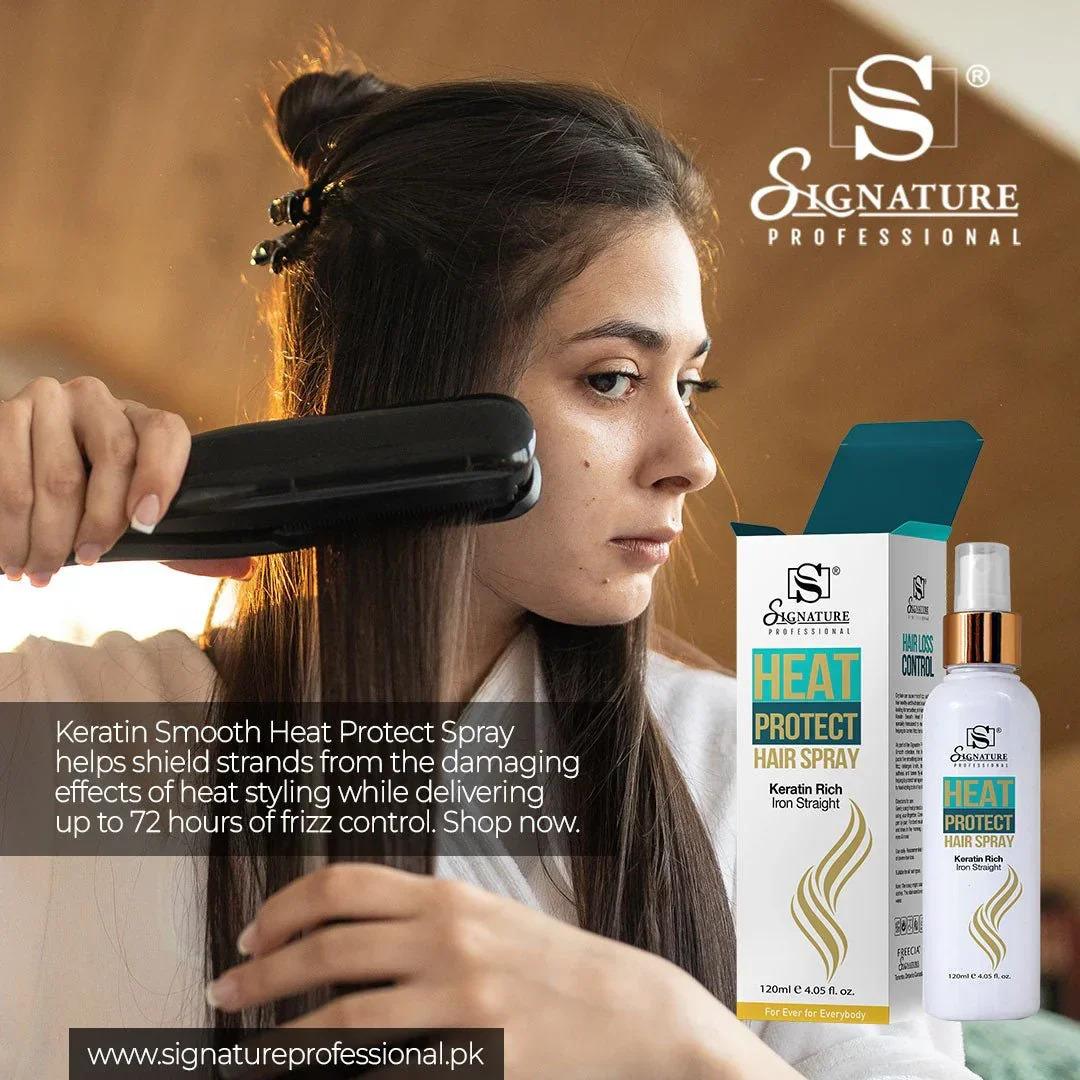
Straight hair is a popular hairstyle because it creates a smooth, polished appearance that works well for everyday activities, professional settings, and special occasions. Hair straighteners make it easy to transform waves, curls, and frizzy strands into a sleek finish. However, frequent use of flat irons can leave hair feeling dry, rough, and brittle if the right precautions are not taken.
Heat damage often develops gradually through repeated exposure to high temperatures, poor styling techniques, and insufficient hair care. Fortunately, you can enjoy straight hairstyles while taking steps to maintain your hair's softness, shine, and manageability. The key is to prepare your hair properly, use suitable products, control the temperature, and follow a consistent hair care routine.
1. Start With a Gentle Hair Washing Routine
Preparing your hair before straightening is an important step in preventing unnecessary dryness. Begin by washing your hair with a shampoo that suits your scalp and hair type. If your hair is naturally dry or damaged, consider a gentle formula that cleanses without leaving your strands feeling excessively stripped.
Follow with a conditioner to improve softness, reduce tangling, and make your hair easier to manage. Apply the conditioner mainly to the mid-lengths and ends, where dryness and damage are often more noticeable.
Rinse thoroughly to avoid unwanted product buildup. After washing, gently squeeze out excess water with a soft towel instead of rubbing your hair aggressively.
Clean, conditioned hair is generally easier to detangle and style. However, avoid using too many heavy products before straightening, as they may leave residue or make your finished hairstyle appear greasy.
2. Apply Heat Protectant Before Straightening
One of the most important steps in a hair straightening routine is using a suitable heat protectant. These products are formulated to help reduce the effects of high temperatures by creating a protective layer around the hair strands.
Depending on the ingredients, a heat protectant may help reduce friction, limit moisture loss, and improve smoothness. This can make hair easier to style while helping minimize some of the damage associated with heated tools.
Choose a heat protectant that matches your hair type and application needs. Some products are designed for damp hair before blow-drying, while others can be applied to dry hair before using a flat iron.
Signature Professional is a brand to explore when researching products for your hair care routine. Always review the product instructions to understand how to apply it correctly and what level of heat protection it claims to provide.
Remember that a heat protectant cannot eliminate all damage. It works best when combined with moderate temperatures and careful styling techniques.
3. Make Sure Your Hair Is Completely Dry
Straightening wet or damp hair with a flat iron that is designed for dry hair can cause significant damage. Moisture within the strands can heat rapidly, potentially weakening the hair structure and making it more vulnerable to breakage.
After washing, allow your hair to dry naturally when practical, or use a blow dryer with an appropriate heat protectant. If you use a blow dryer, keep it moving and avoid holding it too close to one section for an extended period.
Before using a flat iron, check that every section is completely dry. Pay particular attention to thicker areas near the back of your head, where moisture may remain unnoticed.
Taking time to dry your hair properly helps reduce unnecessary stress and creates a better foundation for straightening.
4. Choose the Right Temperature for Your Hair Type
Using the highest temperature setting does not guarantee straighter or better-looking hair. Excessive heat can damage the cuticle, contribute to dryness, and make strands more likely to snap.
Fine, fragile, bleached, or chemically treated hair generally needs a more cautious approach than thick, resistant hair. Start with a lower temperature and increase it only if necessary to achieve the desired result.
Follow your styling tool's instructions and avoid repeatedly passing the iron over the same section. Work with small, manageable sections and use controlled movements.
If your hair remains dry or brittle despite using protective products, consider reducing the temperature and straightening your hair less frequently.
5. Divide Your Hair Into Small Sections
Sectioning your hair makes straightening more controlled and helps you avoid unnecessary heat exposure. Instead of trying to straighten all your hair at once, divide it into several manageable sections using clips.
Begin with the lower layers and gradually work toward the top. Take a small section, position the flat iron carefully, and move it steadily from the roots toward the ends without pressing too firmly.
Smaller sections allow the heat to reach the hair more evenly, reducing the temptation to repeat the process several times. However, sections should not be so small that you spend excessive time styling each strand.
This method can help you achieve a smoother finish while minimizing repeated contact with the hot plates.
6. Avoid Straightening Your Hair Every Day
Even with proper technique, frequent heat styling can contribute to cumulative damage. Giving your hair occasional breaks from flat irons can help reduce repeated exposure to high temperatures.
Consider wearing your natural texture on some days or experimenting with heat-free hairstyles. Loose buns, braids, ponytails, and overnight styling techniques can provide attractive alternatives without requiring a straightener.
If you prefer straight hair regularly, focus on making each styling session as gentle and efficient as possible. Avoid unnecessary touch-ups throughout the day, particularly when your hair already looks smooth.
Reducing the frequency of heat styling is especially helpful when your hair has become dry, rough, or difficult to manage.
7. Use Conditioning Products to Maintain Softness
Hair that is frequently straightened may benefit from a consistent conditioning routine. Conditioners, leave-in treatments, and hair masks can improve softness and manageability, depending on their ingredients and your hair's needs.
A conditioning mask may be particularly useful for dry lengths and ends. Follow the product instructions rather than assuming that leaving a treatment on longer will provide better results.
Lightweight leave-in products may help reduce tangling and friction, while richer formulas may be more suitable for thicker or coarser hair. Choose products according to your hair's condition rather than following trends alone.
Keep in mind that conditioning products can improve the appearance and feel of damaged hair, but they cannot completely reverse severe structural damage.
8. Avoid Common Straightening Mistakes
Certain habits can make hair more vulnerable to dryness and breakage. Avoid using a flat iron on wet hair, selecting unnecessarily high temperatures, or repeatedly straightening the same section.
Do not pull aggressively on tangled strands before styling. Detangle gently with a suitable brush or comb, starting at the ends and gradually working upward.
Keep your straightener clean according to the manufacturer's instructions, and stop using it if the plates are damaged or its temperature controls are unreliable.
Finally, avoid assuming that applying more heat protectant will make excessive heat safe. Use the recommended amount and follow the product's directions.
9. Recognise Signs of Dryness and Heat Damage
Pay attention to how your hair responds after straightening. Common signs of possible damage include rough texture, persistent dryness, split ends, increased tangling, and breakage during brushing.
If you notice these changes, reduce heat styling and focus on gentle cleansing, conditioning, and careful detangling. Trimming split ends can improve the appearance of your hair, while reducing heat exposure can help prevent further damage.
If breakage or unusual hair loss continues, consider consulting a qualified dermatologist to identify possible underlying causes.
Conclusion
Straightening your hair without making it dry or brittle requires preparation, suitable products, and careful styling habits. Washing and conditioning gently, applying a heat protectant, ensuring your hair is completely dry, choosing an appropriate temperature, and avoiding repeated passes can all help reduce unnecessary heat damage.
If you are searching for Heat Protect Spray in Pakistan, consider your hair type, styling routine, and the product's application instructions before choosing a suitable option. Signature Professional is a brand to explore when researching products for your hair care routine. By combining appropriate heat protection with regular conditioning and less frequent heat styling, you can maintain a smoother, shinier appearance while helping your hair remain manageable and less prone to breakage.

 English
 Arabic
 French
 Spanish
 Portuguese
 Deutsch
 Turkish
 Dutch
Dutch
 Italiano
 Russian
 Portuguese (Brazil)
 Greek
Greek