


How to Follow Up After a College Admissions Interview
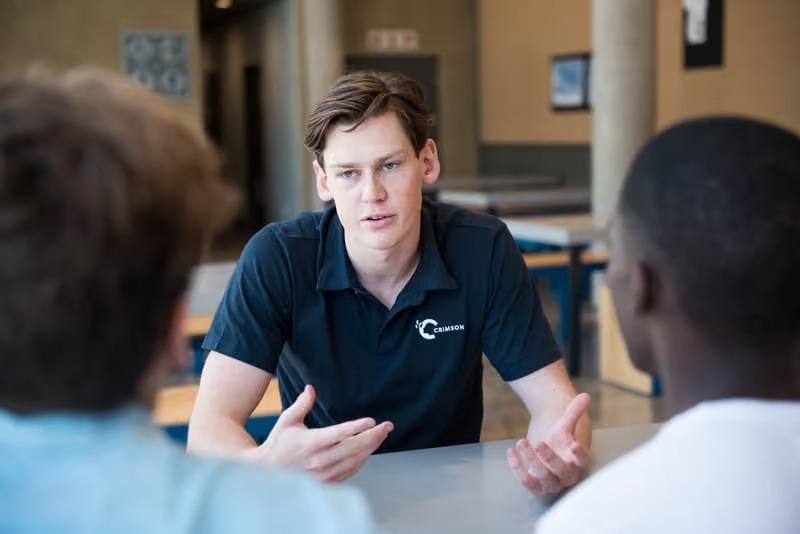
A college admissions interview is an important opportunity for students to discuss their academic interests, personal experiences, and future goals with a university representative. However, the process does not necessarily end when the conversation finishes. Following up after an interview can help students maintain professional communication, express appreciation, and reinforce their interest in the institution.
Many applicants feel uncertain about what to do after an interview. They may wonder whether they should send a thank-you email, how long they should wait before contacting the interviewer, or whether following up could influence an admissions decision. Understanding the appropriate approach can help students communicate professionally without appearing impatient or overly persistent.
A thoughtful follow-up is usually brief, respectful, and genuine. By preparing a suitable message, following the university's communication guidelines, and allowing the admissions team sufficient time to review applications, students can manage this stage of the admissions process with confidence.
1. Understand the Purpose of a Post-Interview Follow-Up
The main purpose of following up after a college admissions interview is to thank the interviewer for their time and acknowledge the opportunity to discuss your application. It also provides an opportunity to mention something meaningful from the conversation.
A follow-up message should not be treated as a second application essay or an attempt to persuade the interviewer through excessive praise. Instead, it should demonstrate courtesy, professionalism, and genuine interest in learning more about the university.
For example, if the interviewer discussed an academic program, research opportunity, or campus activity that interested you, you can briefly mention how that discussion strengthened your understanding of the institution.
Keep in mind that a thank-you message does not guarantee admission or necessarily affect the final decision. Its primary value is maintaining appropriate professional communication.
2. Send a Thank-You Email Within 24 to 48 Hours
A practical approach is to send a thank-you email within 24 to 48 hours after the interview, unless the university or interviewer provides different instructions. This timeframe allows you to express appreciation while the conversation is still recent.
Before writing the email, review your interview notes and identify one or two details worth mentioning. This will help you create a message that feels personal rather than generic.
Your email should include a clear subject line, a polite greeting, a brief expression of gratitude, and a concise reference to the discussion. End by thanking the interviewer again and using an appropriate closing.
Avoid sending multiple messages simply because you have not received an immediate response. Interviewers may be managing several applicants and other responsibilities, so patience is important.
3. Write a Clear and Professional Thank-You Email
A well-written follow-up email should be easy to read and respectful of the interviewer's time. Aim for approximately 100 to 200 words, although a shorter message may be sufficient.
Use a professional email address and check the recipient's name and spelling before sending the message. Avoid informal abbreviations, unnecessary emojis, and overly casual language.
Here is an example students can adapt to their circumstances:
Subject: Thank You for the College Admissions Interview
Dear [Interviewer's Name],
Thank you for taking the time to speak with me about my application to [University Name]. I appreciated the opportunity to discuss my academic interests and learn more about the university's learning environment.
Our conversation about [specific topic] was particularly interesting because it connects with my interest in [academic subject or future goal]. It helped me better understand the opportunities available to students at your institution.
Thank you again for sharing your time and insights. I appreciate the opportunity to learn more about [University Name] and remain enthusiastic about the possibility of joining its academic community.
Best regards,
[Your Full Name]
Personalize the message with details from your actual conversation. Do not include claims or experiences that were not part of the interview.
4. Personalize Your Message With Specific Details
One of the most effective ways to make a follow-up email meaningful is to reference something discussed during the interview. A specific detail shows that you listened carefully and valued the conversation.
For example, if the interviewer explained how students participate in faculty research, you could mention that you found the discussion useful because of your interest in conducting research in your chosen field.
If you learned about a student organization, an interdisciplinary course, or a campus initiative, you could briefly explain why it caught your attention.
However, avoid repeating your entire interview or adding lengthy explanations about your qualifications. The follow-up should complement the conversation rather than restart it.
A natural, relevant reference is generally more effective than exaggerated compliments about the university or interviewer.
5. Follow the University's Communication Guidelines
Not every college handles interviews in the same way. Some institutions use admissions officers, while others involve alumni interviewers, faculty members, or trained volunteers.
Before sending a follow-up message, review any instructions provided during the interview or in official admissions communications. If the university asks applicants not to contact interviewers directly, respect that policy.
If you interviewed with an alumnus, use the contact information and communication method they provided. If the interview took place through an official admissions platform, follow the institution's preferred communication process.
When you are unsure whether a thank-you email is appropriate, a brief review of the university's official admissions guidance can help you make an informed decision.
Following instructions demonstrates that you can communicate responsibly and respect institutional procedures.
6. Avoid Asking for an Immediate Admissions Decision
After an interview, applicants may feel eager to learn whether they will be admitted. However, asking the interviewer to reveal the decision or provide an immediate assessment is generally inappropriate.
Admissions decisions often involve several stages, including application reviews, committee discussions, and institutional deadlines. An interviewer may not have access to the final decision or authority to influence it.
Your thank-you message should therefore focus on appreciation and the conversation itself rather than asking whether you performed well or whether you will receive an offer.
If the university has published a decision timeline, use it to manage your expectations. Remember that a friendly interview or positive conversation does not necessarily indicate the outcome of your application.
7. Know When and How to Follow Up Again
In most cases, one thank-you email is sufficient after an admissions interview. Additional communication should have a clear purpose rather than simply seeking reassurance.
If the university has not provided an update by its stated decision date, check the official application portal and admissions website before contacting the admissions office.
If the published timeline has passed and no information is available, you may send a brief, polite inquiry asking whether there is an updated timeline. Include your full name and any application reference details requested by the institution.
Avoid contacting multiple university representatives about the same issue or sending repeated emails within a short period. Such messages rarely provide useful information and can create unnecessary communication.
If the university requests additional documents, submit them through the specified channel and within the stated deadline.
8. Continue Preparing While You Wait
Following up after an interview does not mean you should stop working on your other applications. Admissions decisions can take time, and outcomes are not always predictable.
Use the waiting period to review your application progress, organize important documents, and prepare for upcoming interviews. If you are applying to multiple institutions, maintain a calendar of deadlines, interview dates, and expected decision announcements.
You can also reflect on the interview to identify what went well and what you could improve. Consider whether your answers clearly explained your interests, whether you asked relevant questions, and whether you communicated your goals effectively.
This reflection can help you improve future interviews without becoming overly critical of your performance.
9. Learn From the Interview Experience
Every admissions interview provides an opportunity to understand your communication strengths and areas for improvement. After sending your follow-up email, write down a few observations while the conversation is still fresh in your memory.
Note which questions you answered confidently, which topics required more thought, and whether the interviewer introduced any useful information about the university.
If you struggled with a particular question, prepare a clearer response for future interviews. If you felt nervous, practice mock interviews with a teacher, friend, or family member.
Students can also benefit from reviewing their university research and ensuring that their academic interests align with the programs they are considering.
A constructive review turns the interview into a learning experience, regardless of the final admissions outcome.
Conclusion
Following up after a college admissions interview is a simple way to express appreciation, reinforce genuine interest, and maintain professional communication. Sending a concise thank-you email, personalizing it with a relevant detail, respecting university guidelines, and allowing sufficient time for decisions can help students navigate the process appropriately.
Applicants should remember that follow-up communication is only one part of the wider admissions journey. Strong preparation, thoughtful answers, and a clear understanding of academic goals remain important throughout the application process. ARC Consultancy can help students approach university applications with greater structure and confidence. Effective US university admissions interview preparation also includes understanding what to do after the interview, from writing a professional thank-you message to managing expectations while waiting for a decision. By following these practices, students can complete this stage of the admissions process with professionalism and a clearer plan for their next steps.

 English
 Arabic
 French
 Spanish
 Portuguese
 Deutsch
 Turkish
 Dutch
Dutch
 Italiano
 Romaian
 Portuguese (Brazil)
 Greek
Greek