


How Traditional Embroidery Adds Value to Pakistani Designer Clothing
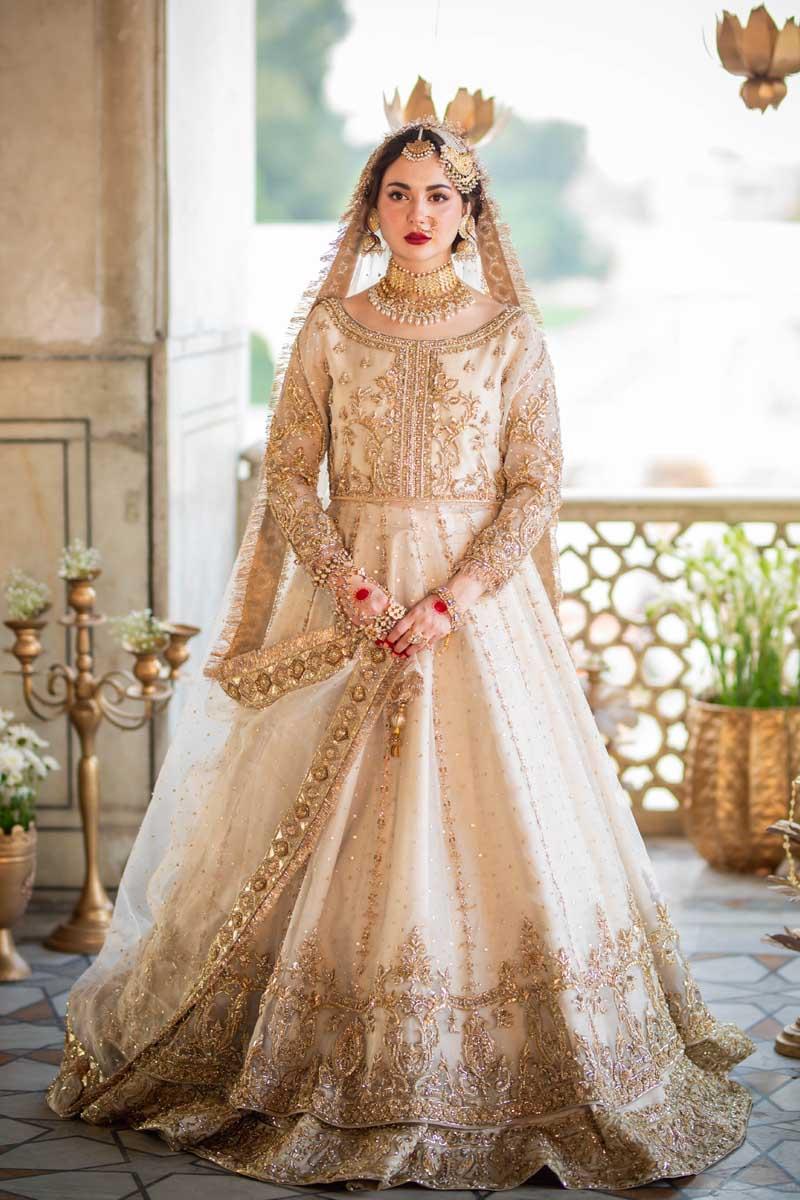
Traditional embroidery has remained an important part of Pakistani fashion for generations, transforming ordinary fabrics into garments that reflect cultural heritage, artistic skill, and personal style. From delicate threadwork on formal shirts to elaborate embellishments on wedding ensembles, embroidery gives Pakistani designer clothing a distinctive identity. It adds visual depth, highlights fabric textures, and allows designers to express creativity while preserving techniques passed down through generations.
In modern fashion, traditional embroidery offers more than decoration. It can influence the perceived value, uniqueness, versatility, and overall appeal of an outfit. Whether someone is selecting a dress for a wedding, a festive celebration, or a formal gathering, understanding the role of embroidery helps them appreciate the craftsmanship behind Pakistani designer wear.
1. Preserving Pakistan's Cultural Heritage
One of the greatest contributions of traditional embroidery is its connection to Pakistan's cultural identity. Different regions have developed distinctive approaches to needlework, decorative motifs, and textile embellishment. These traditions reflect local histories, artistic influences, and generations of skilled craftsmanship.
Techniques such as Sindhi mirror work, Balochi embroidery, Punjabi phulkari-inspired patterns, and traditional gota detailing demonstrate the variety of decorative arts associated with the region. Each technique has its own visual character and cultural significance.
Modern Pakistani designers often draw inspiration from these traditions when creating contemporary outfits. They may adapt traditional motifs to suit modern silhouettes or incorporate heritage-inspired detailing into formal shirts, dupattas, and occasion wear.
This connection between traditional artistry and modern design gives embroidered clothing a deeper identity. Rather than following fashion trends alone, such garments can celebrate the cultural stories and artistic practices that continue to influence Pakistani fashion.
2. Enhancing the Appearance of Designer Clothing
Embroidery can significantly improve the visual appeal of a garment by introducing texture, contrast, and intricate detail. Even a relatively simple outfit can appear sophisticated when its decorative elements are carefully designed and positioned.
Floral patterns, geometric motifs, delicate borders, and ornamental neckline details can draw attention to particular areas of a garment. For example, embroidery around the neckline can create an elegant focal point, while decorative sleeve cuffs can add character without overwhelming the overall design.
The placement of embroidery also influences how an outfit looks. Concentrated detailing may create a statement appearance, whereas smaller motifs distributed across the fabric can produce a more subtle effect.
Pakistani designer clothing often combines embroidery with thoughtful colour selection and balanced silhouettes. When these elements work together, the decorative work enhances the outfit rather than competing with its design.
3. Demonstrating Skilled Craftsmanship
Traditional embroidery can require patience, precision, and considerable technical skill. Depending on the technique, artisans may spend many hours creating detailed motifs, attaching decorative elements, or completing intricate borders.
The quality of this work contributes to the overall appeal of an embroidered outfit. Consistent stitching, balanced patterns, secure embellishments, and neatly finished edges are indicators of careful workmanship.
Hand embroidery may contain subtle variations that reflect the individual artisan's technique. These differences can contribute to a garment's character, provided the overall design remains well executed. Machine embroidery, meanwhile, can achieve consistent patterns and intricate designs efficiently when supported by suitable materials and quality control.
The distinction is not simply that one method is always better than the other. The quality of the materials, design, execution, and finishing all matter when assessing craftsmanship.
For buyers, examining these details provides a better understanding of why some embroidered garments require greater skill and production time than others.
4. Increasing the Perceived Value of an Outfit
Embroidery can contribute to the perceived value of Pakistani designer clothing by adding complexity, texture, and artistic detail. Elaborate patterns, carefully selected materials, and skilled workmanship can make a garment feel more distinctive than a plain alternative.
However, embroidery alone does not determine a garment's price or quality. Fabric selection, tailoring, embellishment materials, production methods, and the designer's overall approach also influence its value.
For instance, an outfit featuring detailed threadwork on premium silk may have a different production cost from a garment with simpler machine embroidery on a lightweight fabric. Both can be attractive choices, but their construction and intended purposes may differ.
When evaluating designer clothing, buyers should consider the complete garment rather than judging it solely by the amount of decoration. Well-executed embroidery on an appropriate fabric can contribute to an elegant finish and make the outfit feel carefully designed.
5. Creating Distinctive Designs and Personal Style
Embroidery gives designers opportunities to develop recognisable styles and create garments with individual character. Traditional motifs can be interpreted in different ways through changes in scale, colour, placement, and stitching techniques.
Some designers prefer delicate floral embroidery and understated borders, while others explore bold geometric patterns, metallic threadwork, or elaborate decorative compositions. These different approaches allow embroidered clothing to suit a wide range of preferences.
Buyers can also use embroidery to express their personal style. Minimal detailing may appeal to those who prefer refined outfits, while richly embellished designs may suit people who enjoy more dramatic formal wear.
This flexibility makes traditional embroidery relevant to both classic and contemporary wardrobes. It can be incorporated into straight shirts, flowing maxi dresses, formal suits, dupattas, and wedding ensembles without requiring every garment to follow the same aesthetic.
6. Making Formal and Festive Clothing More Elegant
Traditional embroidery is particularly important in Pakistani clothing designed for weddings, Eid celebrations, engagement ceremonies, and other special occasions.
Decorative techniques such as zari work, gota detailing, sequins, beads, and thread embroidery can give formal outfits a richer appearance. Their effect depends on how they are combined with the fabric, colour palette, and silhouette.
For example, gold-toned embroidery can complement deep jewel colours, while tonal threadwork may create a softer effect on pastel fabrics. Delicate embroidery on chiffon can produce a graceful appearance, whereas more structured materials can support bold patterns and statement embellishments.
The occasion should guide the amount and style of decoration. A formal dinner may call for a relatively understated embroidered suit, while a wedding celebration may provide an opportunity to wear a more elaborate ensemble.
Thoughtful embroidery placement helps maintain balance and ensures that the outfit feels appropriate for its intended setting.
7. Supporting Traditional Artisans and Textile Skills
Traditional embroidery can also help preserve valuable artisanal knowledge. Many decorative techniques depend on specialised skills developed through practice, observation, and experience.
When designers incorporate these techniques into their collections, they can create opportunities for artisans to apply their expertise to contemporary garments. Depending on the production model, this work may help sustain traditional methods and encourage continued interest in regional textile arts.
Supporting embroidery does not automatically guarantee fair working conditions or sustainable production. Buyers who value these concerns can look for transparent information about craftsmanship, sourcing, and production practices when it is available.
Recognising the people and skills behind embroidered garments encourages a more informed appreciation of fashion. It also highlights the human contribution that can exist behind a finished designer outfit.
8. Improving Versatility Through Thoughtful Embroidery
Although embroidered clothing is often associated with formal events, the right design can be surprisingly versatile. The amount of embroidery, its placement, and the garment's overall construction determine how easily it can be styled for different occasions.
A shirt with subtle neckline detailing can be paired with simple trousers for a polished daytime look. A delicately embroidered dupatta can elevate a plain outfit, while a more elaborate ensemble may be suitable for weddings and evening celebrations.
Choosing complementary accessories can further change the appearance of embroidered clothing. Minimal jewellery allows intricate threadwork to remain the focus, while statement accessories may suit simpler designs.
Fabric care is equally important. Delicate embroidery, beads, and metallic threads may require specialised cleaning and careful storage. Following garment care instructions helps protect the decorative details and maintain the outfit's appearance over time.
Conclusion
Traditional embroidery adds value to Pakistani designer clothing by preserving cultural heritage, demonstrating skilled craftsmanship, enhancing visual appeal, and creating distinctive designs for formal and festive occasions. Its contribution extends beyond decoration because the choice of technique, quality of execution, and placement of motifs all influence how a garment looks and feels.
When selecting embroidered clothing, consider the fabric, stitching, finishing, and overall design rather than focusing only on the quantity of embellishment. A well-balanced outfit can celebrate traditional artistry while remaining elegant and relevant to modern tastes.
Laadoo reflects the appeal of exploring Pakistani fashion through designs that draw inspiration from traditional aesthetics and contemporary style. For those looking to discover refined outfits that celebrate cultural detailing and sophisticated design, Luxury Pakistani Clothing by Laadoo offers a starting point for exploring the enduring beauty of Pakistani designer clothing.

 English
 Arabic
 French
 Spanish
 Portuguese
 Deutsch
 Turkish
 Dutch
Dutch
 Italiano
 Russian
 Romaian
 Greek
Greek