


Premature Ovarian Failure Treatment In Dubai: Approaches to Women Wellness
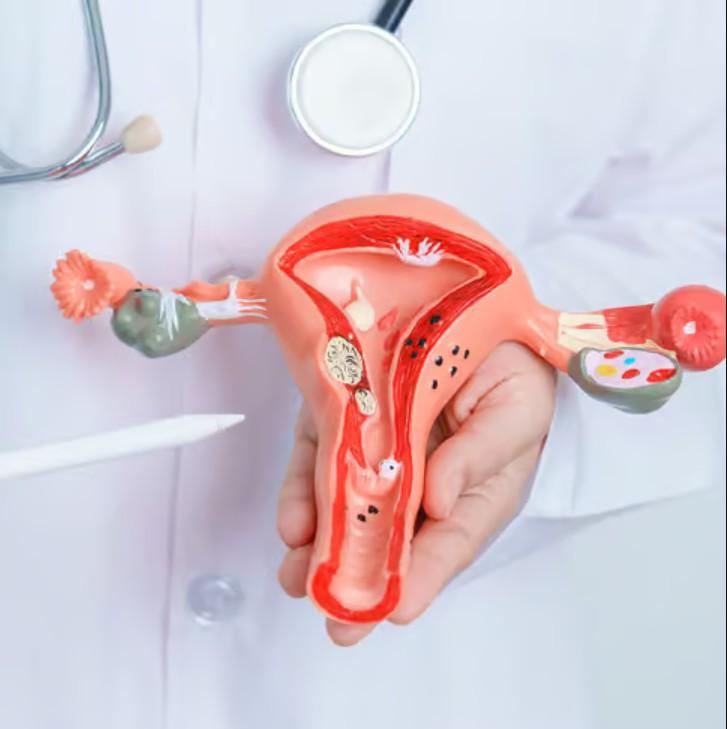
Women's hormonal health plays an important role in menstrual regularity, bone health, fertility, and overall well-being. When ovarian function declines before the age of 40, it can lead to a condition commonly known as premature ovarian insufficiency (POI), historically referred to as premature ovarian failure. This condition may affect hormone production, menstrual cycles, reproductive health, and several aspects of everyday life.
Understanding the available treatment options can help women make informed decisions about their health. Modern medical care focuses on identifying the underlying condition, managing symptoms associated with reduced estrogen levels, supporting long-term health, and discussing reproductive goals when relevant.
For women exploring Premature Ovarian Failure Treatment In Dubai, a personalized medical assessment is an important first step. At EV Clinic Dubai, women can discuss their hormonal health concerns and explore appropriate options for evaluation, treatment, and ongoing wellness support.
What Is Premature Ovarian Failure?
Understanding Premature Ovarian Insufficiency
Premature ovarian insufficiency occurs when the ovaries lose their normal function before the age of 40. The ovaries may produce lower amounts of estrogen and release eggs less regularly than expected. As a result, menstrual periods may become irregular or stop altogether.
The term premature ovarian failure is still widely used, but premature ovarian insufficiency is generally preferred in modern medical practice. This is because ovarian activity can sometimes occur intermittently, and spontaneous pregnancy may still be possible in some individuals.
POI differs from natural menopause in that ovarian function may fluctuate rather than stop permanently. Appropriate medical assessment can help establish the diagnosis and guide decisions about treatment.
How Ovarian Function Affects Women's Health
The ovaries produce hormones, including estrogen, that contribute to several important functions throughout the body. Estrogen supports bone health, influences the reproductive system, and contributes to vaginal and urinary tissue health.
When ovarian function declines earlier than expected, reduced estrogen levels may contribute to symptoms such as hot flashes, night sweats, vaginal dryness, and changes in sexual comfort. Some women may also experience sleep disturbances, difficulty concentrating, or emotional changes.
The effects differ from person to person, which is why treatment should be tailored to individual symptoms, medical history, and long-term health needs.
Common Signs and Symptoms of Premature Ovarian Insufficiency
Irregular or Missed Menstrual Periods
One of the most noticeable signs of premature ovarian insufficiency is a change in menstrual patterns. Periods may become irregular, occur less frequently, or stop for several months.
Changes in menstruation can have several causes, including pregnancy, thyroid disorders, stress, and other hormonal conditions. Medical evaluation is important to identify the underlying reason rather than assuming that ovarian insufficiency is responsible.
Hot Flashes and Night Sweats
Reduced estrogen levels may affect the body's temperature regulation. Some women experience sudden feelings of warmth, flushing, or sweating during the day, while others notice night sweats that interrupt sleep.
The frequency and intensity of these symptoms vary. A healthcare professional can help determine whether they are related to hormonal changes and discuss suitable management options.
Vaginal Dryness and Changes in Sexual Comfort
Lower estrogen levels can affect vaginal and urinary tissues, sometimes leading to dryness, irritation, or discomfort during sexual activity.
Depending on the individual's needs, management may include vaginal moisturizers, lubricants, or prescribed local hormonal treatments when appropriate. The choice depends on the person's symptoms, medical history, and clinical assessment.
Changes in Sleep, Mood, and Concentration
Hormonal changes may coincide with sleep disruption, mood changes, or difficulty concentrating. These experiences can also be influenced by stress, lifestyle factors, and other medical conditions.
Discussing these concerns during a consultation can help identify contributing factors and determine whether additional support or evaluation is needed.
What Causes Premature Ovarian Insufficiency?
Genetic Factors
Certain genetic conditions can affect ovarian development or function. For example, chromosomal differences and some inherited genetic variations may be associated with ovarian insufficiency.
When a genetic cause is suspected, a healthcare professional may recommend appropriate testing and explain what the findings mean for the individual and, where relevant, her family planning.
Autoimmune Conditions
In some cases, the immune system may be involved in disrupting normal ovarian function. Premature ovarian insufficiency can occur alongside certain autoimmune conditions, including disorders that affect other hormone-producing glands.
Medical assessment may help identify associated conditions and determine whether additional investigations are appropriate.
Medical Treatments and Procedures
Certain cancer treatments, including some forms of chemotherapy and radiation therapy, can affect ovarian function. Surgical procedures involving the ovaries may also influence hormone production, depending on the nature of the procedure.
Women who have undergone relevant treatments may benefit from discussing their reproductive and hormonal health with a qualified healthcare professional.
Unexplained Causes
In many cases, the exact cause of premature ovarian insufficiency cannot be identified. This does not make the condition less important or mean that treatment cannot help.
Care is based on the clinical findings, symptoms, hormone levels, individual health needs, and personal goals.
How Is Premature Ovarian Insufficiency Diagnosed?
Medical History and Symptom Assessment
The diagnostic process usually begins with a discussion of menstrual patterns, symptoms, family history, previous medical treatments, and reproductive goals.
A healthcare professional may ask when menstrual changes began and whether symptoms such as hot flashes or vaginal dryness are present. This information helps guide the selection of appropriate investigations.
Hormone Blood Tests
Blood tests can help evaluate ovarian function and investigate other possible causes of irregular or absent periods.
Follicle-stimulating hormone (FSH) is particularly relevant when assessing suspected premature ovarian insufficiency. Estradiol levels may also provide useful information about estrogen production. Depending on the clinical situation, additional tests may be recommended.
A diagnosis should not be based on a single symptom or an isolated laboratory result without considering the wider clinical picture.
Checking Other Possible Causes
A healthcare professional may recommend a pregnancy test, thyroid testing, or other investigations to assess conditions that can affect menstruation.
Depending on the circumstances, further evaluation may include genetic testing or assessment for selected autoimmune conditions. The need for these investigations varies according to the patient's history and clinical findings.
Developing an Individualized Treatment Plan
Once the diagnosis has been assessed, the next step is to establish a plan that addresses symptoms, hormone health, bone health, and reproductive priorities.
At EV Clinic Dubai, women can discuss their concerns and ask about appropriate next steps for hormonal health evaluation and individualized care.
<WritingBlock id="73164" variant="document">## Modern Treatment Approaches for Premature Ovarian Insufficiency
Hormone Replacement Therapy
Hormone replacement therapy (HRT) is an important treatment option for many women with premature ovarian insufficiency. It replaces hormones that the ovaries are no longer producing in sufficient amounts, particularly estrogen.
HRT may help manage symptoms such as hot flashes, night sweats, vaginal dryness, and sleep disturbances. It is also recommended for supporting bone health and addressing the longer-term effects associated with early estrogen deficiency.
Treatment may involve estrogen administered orally or through the skin, such as a patch or gel. For women who have an intact uterus, a progestogen is generally needed alongside systemic estrogen to protect the uterine lining.
The appropriate formulation, dose, and duration depend on the patient's health, symptoms, and medical history. Current clinical guidance generally recommends continuing hormone therapy until around the usual age of natural menopause, followed by an individualized review with a healthcare professional.
Individualized Hormonal Management
Hormonal treatment is not identical for every patient. Some women primarily need support for vasomotor symptoms, while others may need particular attention to vaginal comfort, bone health, or menstrual management.
A healthcare professional may consider the patient's preferences, previous treatments, associated medical conditions, and reproductive goals when selecting a suitable regimen.
Regular follow-up appointments help assess symptom improvement, review treatment adherence, and determine whether adjustments are appropriate.
Non-Hormonal Symptom Management
Some women cannot use particular hormonal treatments or prefer additional non-hormonal approaches for specific symptoms. Depending on the concern, options may include evidence-based medications, lifestyle adjustments, and supportive therapies.
For example, certain prescription medicines may help manage hot flashes when hormonal treatment is unsuitable. Vaginal moisturizers and lubricants may also help relieve dryness and improve everyday comfort.
The appropriate choice depends on the symptoms being treated and the available evidence. Non-hormonal approaches should be discussed with a healthcare professional to establish whether they can meet the individual's needs.
Lifestyle and Preventive Healthcare
Lifestyle measures are an important part of comprehensive care for premature ovarian insufficiency. Regular physical activity, a balanced diet, adequate sleep, and avoiding smoking can support general health and cardiovascular well-being.
Adequate calcium and vitamin D intake are also important for bone health. Supplementation may be appropriate when dietary intake or laboratory findings indicate a need.
These measures complement medical treatment rather than replacing hormone therapy when hormone replacement is clinically indicated.
Supporting Bone Health With Premature Ovarian Insufficiency
Why Bone Health Matters
Estrogen contributes to maintaining bone density. When estrogen levels remain low for an extended period, bone mineral density may decrease, increasing the likelihood of developing osteoporosis.
For women diagnosed with premature ovarian insufficiency, bone health should be an important component of the overall treatment plan.
Bone Density Assessment
A healthcare professional may recommend a bone mineral density scan, commonly called a DXA scan, to evaluate bone health. The timing of further scans depends on the initial findings, treatment, and individual circumstances.
Assessment can help identify whether additional measures are needed to support bone strength.
Long-Term Bone Health Support
Bone health management may include appropriate hormone therapy, weight-bearing exercise, adequate nutrition, and other interventions when clinically indicated.
Women should discuss their individual requirements with their healthcare professional rather than relying on supplements alone to address reduced bone density.
Premature Ovarian Insufficiency and Fertility
Understanding Changes in Fertility
Premature ovarian insufficiency can significantly reduce the chances of natural conception because ovarian activity and egg release become less predictable.
However, ovarian function may occur intermittently in some women, meaning that spontaneous ovulation and pregnancy remain possible. The likelihood varies between individuals, and there is currently no treatment reliably proven to restore normal ovarian function or consistently increase natural conception rates in women with POI.
Women who wish to become pregnant should seek an individualized fertility assessment to understand their options.
Fertility Counseling and Specialist Care
Fertility counseling can help women understand their reproductive health and consider the approaches available to them.
Depending on the circumstances, discussions may include assisted reproductive techniques, the use of donor eggs, and other family-building options. Egg donation is an established fertility option for many women with premature ovarian insufficiency who wish to pursue pregnancy.
The most suitable approach depends on the patient's health, reproductive preferences, and the recommendations of a fertility specialist.
Planning for Future Pregnancy
Women who may want children in the future should discuss their reproductive goals as early as possible after diagnosis. This is particularly important when ovarian insufficiency may be related to medical treatments that can affect fertility.
Hormone replacement therapy is not a contraceptive. Women who do not wish to become pregnant should discuss suitable contraception with their healthcare professional, even when they have been diagnosed with POI.
Emotional Well-Being and Women's Wellness
Understanding the Emotional Impact
A diagnosis of premature ovarian insufficiency can bring uncertainty about fertility, hormonal changes, and long-term health. Some women may experience sadness, frustration, anxiety, or concerns about changes in their bodies.
These feelings are individual, and emotional support can be an important part of the overall care plan.
Counseling and Support
Counseling or psychological support may help women process the diagnosis, understand their options, and manage changes in their personal lives.
Healthcare professionals can also provide information about support resources and help patients identify the areas where additional assistance would be useful.
A Holistic Approach to Wellness
Comprehensive care considers more than menstrual symptoms alone. It may include hormonal health, bone density, cardiovascular health, sexual well-being, fertility counseling, and emotional support.
A coordinated approach can help women understand their condition and make informed decisions about their ongoing health.
Premature Ovarian Failure Treatment Cost In Dubai
Factors That Influence Treatment Costs
The Premature Ovarian Failure Treatment Cost In Dubai varies according to the individual's diagnosis, the investigations required, the recommended treatment, and the need for ongoing monitoring.
Because premature ovarian insufficiency can affect several aspects of health, the overall cost may include more than an initial consultation or prescription.
Factors that may influence the total cost include:
- Initial consultation: The cost of an appointment to review symptoms, medical history, and treatment goals.
- Hormone testing: Blood tests to evaluate ovarian function and investigate other possible causes of menstrual changes.
- Additional investigations: Selected genetic tests, thyroid assessments, or bone density scans when clinically indicated.
- Hormone therapy: The type, dosage, and duration of prescribed medication.
- Fertility services: Additional consultations or investigations for women who wish to explore pregnancy options.
- Follow-up appointments: Ongoing assessment to review symptoms, treatment response, and long-term health needs.
The investigations and services required differ from one patient to another, so the total cost cannot be determined accurately without an individualized assessment.
How to Get a Personalized Cost Estimate
To understand the Premature Ovarian Failure Treatment Cost In Dubai, patients should ask for a clear breakdown of the recommended investigations, consultations, prescribed treatments, and follow-up care.
At EV Clinic Dubai, women can discuss their concerns and ask about the available services relevant to their hormonal health needs. It is helpful to clarify which services are included in the initial consultation and which may be charged separately.
A personalized estimate allows patients to plan their care more effectively and understand the expected expenses associated with their proposed treatment plan.
Understanding the Value of Ongoing Care
Treatment for premature ovarian insufficiency often involves continued medical follow-up rather than a single appointment. Regular care allows a healthcare professional to review symptoms, assess treatment needs, and address changes in health over time.
When comparing treatment options, women should consider the quality of the assessment, the suitability of the recommended treatment, and the availability of ongoing support alongside the financial cost.
What to Expect During a Premature Ovarian Insufficiency Consultation
Discussing Symptoms and Health History
The consultation usually begins with a discussion about menstrual changes, symptoms, previous medical conditions, current medications, and reproductive goals.
Women should feel comfortable asking questions about their diagnosis and explaining how symptoms affect their daily lives. This information helps the healthcare professional understand the individual's priorities.
Reviewing Test Results
If hormone tests or other investigations have already been performed, the healthcare professional may review the findings and explain what they indicate.
Additional investigations may be recommended when the available information does not provide a clear diagnosis or when further evaluation is needed.
Exploring Suitable Treatment Options
Once the clinical assessment is complete, the healthcare professional can explain the available treatment approaches and how each relates to the patient's needs.
This discussion may cover hormone replacement, non-hormonal symptom management, bone health, fertility counseling, and the timing of follow-up appointments.
Establishing a Follow-Up Plan
Ongoing monitoring is an important part of managing premature ovarian insufficiency. Follow-up appointments provide an opportunity to review symptom improvement, assess treatment adherence, and discuss any changes in the patient's goals or health.
The frequency of appointments depends on the treatment plan and individual clinical circumstances.
Choosing a Provider for Premature Ovarian Failure Treatment In Dubai
Look for Appropriate Medical Expertise
Premature ovarian insufficiency requires careful evaluation because menstrual changes and hormonal symptoms can have several different causes.
Women should seek care from a suitably qualified healthcare professional with relevant experience in women's hormonal and reproductive health. Depending on the patient's needs, coordination with an endocrinologist or fertility specialist may be appropriate.
Understand the Recommended Treatment
Before beginning treatment, patients should understand why a particular approach has been recommended, how it is expected to help, and how progress will be monitored.
It is also important to ask about alternatives, the expected duration of treatment, and the investigations needed to support ongoing care.
Prioritize Individualized Care
Every woman's experience of premature ovarian insufficiency is different. A personalized approach takes account of symptoms, medical history, reproductive plans, and long-term health priorities.
At EV Clinic Dubai, women can discuss their concerns and seek information about appropriate options for hormonal health evaluation and ongoing wellness support.
Frequently Asked Questions About Premature Ovarian Failure Treatment In Dubai
What Is Premature Ovarian Failure?
Premature ovarian failure, more commonly called premature ovarian insufficiency, is a condition in which ovarian function declines before the age of 40. It can lead to irregular or absent menstrual periods, reduced estrogen production, and changes in fertility.
Can Premature Ovarian Insufficiency Be Treated?
Although there is currently no established treatment that reliably restores normal ovarian function, medical care can help manage symptoms and support long-term health. Treatment may include hormone replacement therapy, non-hormonal symptom management, bone health support, and fertility counseling.
Is Hormone Replacement Therapy Always Necessary?
Hormone therapy is generally recommended for women with premature ovarian insufficiency until the usual age of natural menopause, unless there is a reason it is unsuitable. The specific treatment should be individualized according to the patient's medical history and clinical needs.
Can Women With Premature Ovarian Insufficiency Become Pregnant?
Spontaneous pregnancy remains possible in some women because ovarian activity may occur intermittently. However, natural conception rates are substantially reduced. Women interested in pregnancy should discuss their options with a fertility specialist.
How Is Premature Ovarian Insufficiency Diagnosed?
Diagnosis generally involves reviewing menstrual patterns and symptoms alongside hormone testing, particularly FSH. Depending on the findings, a healthcare professional may recommend repeat testing or investigations for other possible causes.
What Is the Premature Ovarian Failure Treatment Cost In Dubai?
The Premature Ovarian Failure Treatment Cost In Dubai depends on the initial assessment, laboratory investigations, prescribed treatment, and follow-up requirements. A personalized consultation can help establish the likely overall cost.
Does Treatment Require Long-Term Monitoring?
Yes. Ongoing follow-up is important because premature ovarian insufficiency can affect bone health, hormonal symptoms, and other aspects of well-being. Monitoring allows treatment to be reviewed and adjusted according to individual needs.
When Should I Seek Medical Advice for Irregular Periods?
Women younger than 40 who experience persistent irregular or absent periods, especially alongside symptoms associated with low estrogen, should seek medical evaluation. Early assessment can help identify the cause and establish an appropriate care plan.
Conclusion
Premature ovarian insufficiency is a significant women's health condition that can affect menstrual cycles, hormone levels, fertility, bone health, and overall well-being. Although ovarian function cannot currently be reliably restored through an established treatment, modern medical care offers several approaches to managing symptoms and supporting long-term health.
For women considering Premature Ovarian Failure Treatment In Dubai, the first step is a thorough medical assessment followed by a personalized plan that reflects their symptoms, health history, and reproductive goals. Hormone replacement therapy, appropriate lifestyle measures, ongoing monitoring, and fertility counseling may all form part of that plan.
To learn more about available care and the Premature Ovarian Failure Treatment Cost In Dubai, contact EV Clinic Dubai to discuss your concerns, ask about relevant services, and obtain information about suitable next steps for your women's wellness journey.

 English
 Arabic
 French
 Spanish
 Portuguese
 Deutsch
 Turkish
 Dutch
 Italiano
 Russian
 Romaian
 Portuguese (Brazil)