


Tummy Tuck Surgery and What Determines Your Surgical Outcome
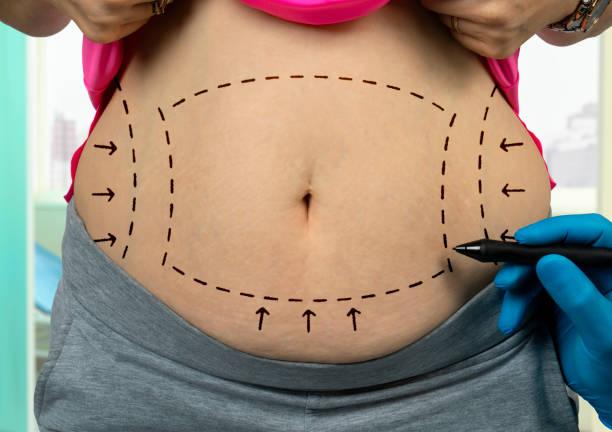
Achieving a smoother, firmer abdomen depends on several factors, including skin elasticity, muscle condition, body weight, and individual healing. Pregnancy, significant weight loss, and ageing can leave excess abdominal skin that may not improve through exercise alone. Tummy tuck surgery in Riyadh (عملية شد البطن في الرياض) is a cosmetic procedure designed to remove excess skin and improve abdominal contours, sometimes with tightening of weakened muscles. Understanding what influences surgical outcomes can help you set realistic expectations and prepare for a more informed treatment decision.
Understanding Tummy Tuck Surgery
Tummy tuck surgery, medically known as abdominoplasty, focuses on reshaping the abdomen by removing excess skin. Depending on the patient's anatomy, the surgeon may also tighten separated or weakened abdominal muscles. The procedure is intended to improve body contours rather than achieve significant weight loss. Before recommending surgery, a qualified plastic surgeon assesses skin laxity, muscle structure, medical history, and personal goals to determine the most appropriate approach.
Factors That Influence Your Surgical Outcome
Several factors can affect the final appearance after abdominoplasty. Skin elasticity influences how the remaining skin settles, while the amount of excess skin determines how much can safely be removed. Muscle separation, body proportions, and the surgical technique also play important roles. Individual healing and adherence to postoperative instructions can influence recovery and scar appearance. Because every patient has different anatomical characteristics, results vary and cannot be guaranteed.
The Importance of Stable Body Weight
Maintaining a relatively stable weight before surgery is an important consideration. Significant weight changes after the procedure can stretch the remaining skin and affect abdominal contours. Tummy tuck surgery is generally not intended as a primary weight-loss method, so patients who are planning substantial weight loss may benefit from discussing timing with their surgeon. A sustainable lifestyle that includes balanced nutrition and regular physical activity can support long-term results.
Skin Elasticity and Abdominal Muscle Condition
Skin elasticity affects how well the abdomen responds to surgical reshaping. When skin has been stretched considerably, it may not return to its earlier shape without removing the excess tissue. Pregnancy and weight fluctuations can also contribute to separation of the abdominal muscles, sometimes called diastasis recti. If appropriate, a surgeon may repair separated muscles during a tummy tuck. The extent of muscle repair depends on individual anatomy and medical assessment.
Choosing the Appropriate Surgical Technique
Full Tummy Tuck
A full tummy tuck may be appropriate when excess skin affects a larger area of the abdomen. It can address skin above and below the belly button and may include muscle tightening when necessary.
Mini Tummy Tuck
A mini tummy tuck may suit selected patients with a limited amount of loose skin below the belly button. It involves a more limited surgical approach and may not address extensive skin laxity.
Extended Tummy Tuck
An extended tummy tuck may be considered when excess skin reaches toward the sides of the waist. The surgeon evaluates the treatment area and recommends a suitable approach based on the patient's needs.
The Role of Surgeon Experience and Patient Safety
A qualified, experienced plastic surgeon is essential for appropriate assessment, surgical planning, and patient safety. During consultation, ask about professional credentials, experience with abdominoplasty, the proposed technique, scar placement, and potential complications. Surgery should take place in an appropriately equipped facility with suitable anaesthesia and postoperative support. Clear communication helps patients understand the procedure and make informed decisions without unrealistic promises about the outcome.
Preparing for Surgery
Preparation can help patients approach surgery with a clear understanding of the process. Share your medical history, allergies, previous operations, and all medications or supplements with your healthcare team. Your surgeon may provide instructions about smoking cessation, medication adjustments, and preoperative care. Arrange assistance at home during the early recovery period and discuss activity restrictions, wound care, and follow-up appointments. Following professional guidance can help reduce avoidable risks.
Recovery and Its Effect on Results
Recovery varies according to the extent of surgery and individual healing. Swelling, bruising, tightness, and temporary discomfort are common during the initial stages. Patients may need a compression garment and instructions for caring for the incision. Gentle walking is often encouraged when medically appropriate, while heavy lifting and strenuous exercise should be avoided until cleared by the surgeon. Attending follow-up appointments helps monitor healing and identify complications early. Fever, worsening pain, unusual wound discharge, chest pain, or difficulty breathing require prompt medical attention.
Maintaining Long-Term Results
The results of a tummy tuck can last for years, although ageing and future weight changes may alter abdominal contours. Maintaining a stable weight, eating a balanced diet, and following appropriate exercise guidance can help preserve the outcome. The procedure does not eliminate every stretch mark or prevent all future skin changes. It also carries risks, including infection, bleeding, fluid accumulation, blood clots, delayed wound healing, altered sensation, and scarring. Discuss these considerations with your surgeon before proceeding.
Book a Consultation at Royal Clinic Saudi
If you are considering abdominal reshaping, Royal Clinic Saudi (عيادات رويال كلينك) can be a starting point for discussing your concerns and treatment options. Arrange a consultation to learn about your suitability for tummy tuck surgery, the factors that may influence your outcome, and the expected recovery process. A personalised assessment can help you make an informed decision based on your health and aesthetic goals.
FAQs:
1. What determines the results of tummy tuck surgery?
Skin elasticity, muscle condition, body weight, surgical technique, and healing all influence results.
2. Does stable weight improve long-term results?
Yes, maintaining a stable weight helps preserve abdominal contours.
3. Can the surgeon guarantee a specific outcome?
No, results vary depending on individual anatomy and healing.
4. How can I support recovery after surgery?
Follow medical instructions, attend follow-up visits, and avoid strenuous activity until cleared.

 English
 Arabic
 French
 Spanish
 Portuguese
 Deutsch
 Turkish
 Dutch
 Italiano
 Russian
 Romaian
 Portuguese (Brazil)