


Denver Roof Repair: Common Roofing Problems, Repair Methods, and Maintenance Essentials
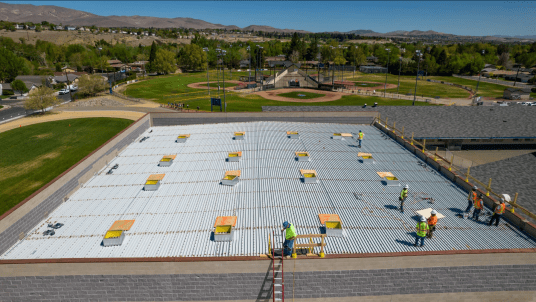
Roofing systems play an essential role in protecting buildings from changing weather conditions, moisture intrusion, and structural deterioration. In Denver, Colorado, roofs face a combination of intense sunlight, hailstorms, snowfall, strong winds, and significant temperature fluctuations. Over time, these conditions can damage roofing materials and create problems that require professional assessment and timely repairs.
Understanding Denver Roof Repair helps property owners recognize common roofing issues, identify warning signs, and learn about repair methods suitable for different roofing systems. Whether a building has asphalt shingles, metal panels, a flat membrane, or a spray polyurethane foam roof, regular inspections and appropriate maintenance can help preserve roof performance and reduce the likelihood of extensive damage.
Common Causes of Roof Damage in Denver
Denver's climate creates several environmental challenges for residential and commercial roofing systems. Identifying these factors helps explain why roof inspections and maintenance are important throughout the year.
Hailstorms and Impact Damage
Hailstorms are a significant concern for properties throughout Colorado. Hail can crack shingles, damage protective granules, dent metal roofing, puncture membranes, and affect roof coatings.
Some damage is visible from the ground, while other problems require a closer inspection. For example, hail may weaken roofing materials without creating an immediate leak. Over time, weakened areas can become more vulnerable to moisture penetration.
Following a severe storm, a qualified roofing professional can assess the extent of the damage and determine whether localized repairs or broader restoration work may be necessary.
Strong Winds
Strong winds can lift shingles, loosen flashing, displace roofing components, and expose vulnerable sections of the roof. Wind-driven debris can also damage surfaces and create openings around roof edges or penetrations.
Missing shingles and lifted edges should be addressed promptly because exposed underlayment may deteriorate when subjected to rain, snow, and sunlight.
Snow and Freeze-Thaw Cycles
Winter weather can create additional roofing concerns. Snow accumulation adds weight to the roof, while repeated freezing and thawing can affect flashing, sealants, and other exposed materials.
Ice dams may develop when heat escaping from a building melts snow on the roof, allowing water to refreeze near colder eaves. Water can then back up beneath roofing materials and enter the building.
Proper attic insulation, ventilation, drainage, and timely maintenance can help reduce the conditions that contribute to ice dams.
Ultraviolet Radiation and Temperature Changes
Denver's sunshine and temperature variations can gradually age roofing materials. Repeated expansion and contraction may place stress on seams, joints, flashing, and sealants.
Over time, these stresses can lead to cracks, loose connections, or deteriorating protective surfaces. Routine inspections can help identify early signs of wear before they develop into more serious roofing problems.
Warning Signs That a Roof Needs Repair
Recognizing the early signs of roof damage can help property owners arrange an inspection before the problem becomes more extensive.
Common warning signs include:
- Water stains on ceilings or interior walls.
- Missing, cracked, curled, or displaced shingles.
- Damaged flashing around chimneys, vents, and skylights.
- Granules accumulating in gutters or near downspouts.
- Visible sagging or uneven roof sections.
- Blistering, cracking, or peeling on roof coatings.
- Standing water on flat or low-slope roofs.
- Damp insulation, musty odors, or unexplained interior moisture.
Not every roof defect produces an immediate interior leak. Moisture can travel along roof components before becoming visible inside a building, making the source difficult to identify without a thorough assessment.
Property owners should avoid climbing onto a damaged or slippery roof. Inspections following storms are generally safer when performed by trained professionals using appropriate safety equipment.
Common Roof Repair Methods
The appropriate repair method depends on the roofing material, the location of the damage, and the overall condition of the roof.
Asphalt Shingle Repairs
Asphalt shingles may require replacement when they are cracked, missing, torn, or severely deteriorated. Repair work can also involve replacing damaged underlayment, correcting exposed fasteners, and securing loose shingles.
Matching the replacement shingles to the existing roofing system helps maintain consistent protection and appearance. If damage affects a large portion of the roof or the shingles have reached the end of their service life, a more extensive replacement may be appropriate.
Flat Roof Repairs
Flat and low-slope roofs commonly use membrane systems, modified bitumen, built-up roofing, or protective coatings. Potential problems include open seams, punctures, deteriorated flashing, and poor drainage.
Repairs may involve patching compatible membrane materials, resealing specific joints, replacing damaged sections, or correcting drainage deficiencies.
Standing water deserves particular attention because it can indicate blocked drains, inadequate slope, or roof deformation. Repairing the surface without addressing the underlying drainage problem may allow the issue to return.
Metal Roof Repairs
Metal roofing can experience loose fasteners, deteriorated washers, damaged flashing, corrosion, and separation at seams. Temperature changes may also contribute to movement around connections and penetrations.
Repair work may involve replacing fasteners, repairing flashing, treating corrosion, or restoring compatible sealants. The selected materials must be appropriate for the metal type and existing roof system to prevent compatibility problems.
Spray Foam Roofing Repairs
Spray polyurethane foam roofing provides insulation and creates a continuous surface on suitable roofs. However, hail impact, punctures, deteriorated coatings, and moisture exposure can damage the system.
Repairs may require removing compromised foam, applying compatible replacement material, and restoring the protective coating. The underlying surface must be assessed to determine whether moisture has reached deeper roofing components.
Regular coating inspections are important because exposed foam can deteriorate under ultraviolet radiation.
The Importance of Professional Roof Inspections
A roof inspection evaluates more than the visible surface. A thorough assessment may include shingles or membranes, flashing, drainage systems, roof penetrations, gutters, and accessible attic spaces.
Inspectors may look for signs of trapped moisture, damaged insulation, inadequate ventilation, and structural concerns. These factors can influence both the repair method and the long-term performance of the roofing system.
Inspection findings should be documented with photographs and a description of the affected areas. A clear report can help property owners understand the difference between urgent repairs, routine maintenance, and work that can be planned for a later date.
After hail or wind damage, documentation may also be useful when communicating with an insurance company. Coverage depends on the individual policy, the cause of damage, exclusions, and applicable deductibles.
Preventive Roof Maintenance
Preventive maintenance can reduce the likelihood of unexpected roofing problems. A maintenance program should reflect the roof's material, age, design, and exposure to Denver's weather conditions.
Important maintenance activities include clearing gutters and roof drains, inspecting flashing, checking exposed sealants, removing accumulated debris, and examining the roof after severe weather.
Tree branches should be managed to reduce contact with the roof and limit damage from falling limbs. Ventilation and insulation should also be assessed when recurring ice dams or moisture problems occur.
For commercial properties, maintaining inspection records and repair histories can support budgeting and help identify recurring issues. Roof maintenance should always follow manufacturer recommendations and appropriate safety procedures.
Choosing the Right Repair Approach
Selecting a repair method requires evaluating both the immediate damage and the condition of the surrounding roofing system. A small leak may result from a localized flashing defect, while repeated leaks could indicate broader membrane deterioration or trapped moisture.
Property owners should consider the roof's age, repair history, material availability, expected remaining service life, and potential costs of continued maintenance.
A written repair assessment should explain the identified problem, proposed work, materials required, and any limitations. Comparing repair options based on the underlying cause of the damage can help prevent repeated temporary fixes.
Conclusion
Roof damage in Denver can result from hail, strong winds, snowfall, ultraviolet exposure, and seasonal temperature changes. Recognizing warning signs, arranging appropriate inspections, and addressing defects promptly can help protect buildings from moisture intrusion and premature roofing deterioration.
Effective roof repair depends on identifying the actual source of the problem and selecting methods suited to the existing roofing material. Combined with preventive maintenance and post-storm inspections, a structured approach to roof care can support long-term building protection and more informed property maintenance decisions.

 English
 Arabic
 French
 Spanish
 Portuguese
 Turkish
 Dutch
 Italiano
 Russian
 Romaian
 Portuguese (Brazil)
 Greek