


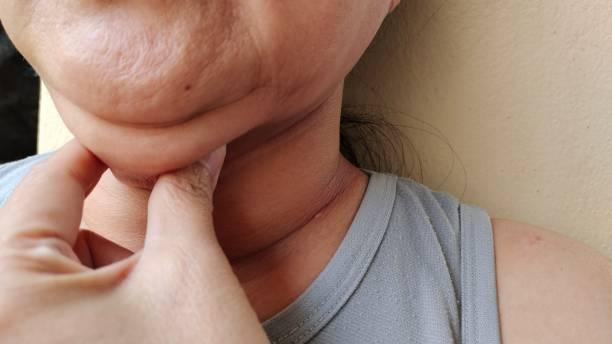
Submental liposuction is one of the most requested procedures for refining the jawline and neck, yet few patients understand exactly how the fat is removed. The technique is precise, the anatomy is delicate, and the results depend on careful technique rather than aggressive removal. Double Chin Liposuction in Riyadh Understanding the mechanics of the procedure helps you appreciate what happens during surgery and why certain precautions matter. If you're considering Double Chin Liposuction in Riyadh, here's a clear explanation of how fat is removed from beneath the chin.
Understanding the Submental Area
The Anatomy Beneath the Chin
The submental area sits between the chin and the neck. It contains fat, muscle (the platysma), lymph nodes, and important nerves and vessels.
Why Fat Accumulates There
Submental fat accumulates for reasons that include genetics, ageing, and weight changes. Many people with a double chin are otherwise slim.
Why the Area Is Delicate
The neck contains important structures, including the marginal mandibular nerve, which controls lower lip movement, and blood vessels. Precision is essential.
Why Technique Matters
Over-removal can create hollowing. Under-removal leaves residual fullness. Injury to nerves or vessels can cause complications. Skilled technique balances all of these.
The Procedure Step by Step
Step 1: Consultation and Marking
Your surgeon examines the area, assesses fat distribution and skin quality, and marks the treatment zone before surgery.
Step 2: Anaesthesia
The area is numbed with local anaesthesia, often combined with sedation. Tumescent fluid containing adrenaline is injected to reduce bleeding and improve comfort.
Step 3: The Incision
A small incision, typically a few millimetres long, is made in a hidden location. This is usually in a natural crease beneath the chin or behind the earlobe.
Step 4: Cannula Insertion
A fine cannula is inserted through the incision and guided into the fat layer.
Step 5: Fat Removal
The cannula is moved through the fat, breaking it up and suctioning it out. The surgeon carefully contours the area, removing fat evenly to create a smooth result.
Step 6: Assessment and Closing
The surgeon assesses the contour as they work, ensuring symmetry. The incision is closed, often with a single suture or left to heal.
Step 7: Compression
A compression garment is applied to support healing and reduce swelling.
Techniques Used for Submental Liposuction
Traditional Suction-Assisted Liposuction
Manual cannula movement with suction. Effective and widely used.
Power-Assisted Liposuction
A mechanised cannula vibrates to make fat removal easier, particularly in fibrous areas.
Laser-Assisted Liposuction
Laser energy liquefies fat and may offer mild skin tightening, though evidence is limited.
Ultrasound-Assisted Liposuction
Ultrasound energy breaks down fat, useful for fibrous areas.
Which Technique Is Best
For the submental area, technique matters less than surgeon skill. Most techniques produce good results when performed carefully.
How Much Fat Is Removed
Conservative Removal
Surgeons typically remove moderate amounts to avoid hollowing. The goal is contour, not maximum removal.
Individual Variation
The amount removed depends on your anatomy, fat distribution, and goals.
Why Over-Removal Is Avoided
Removing too much fat creates a hollowed, aged appearance that's difficult to correct.
Why Under-Removal Is Avoided
Removing too little leaves residual fullness that may require revision.
What Happens After Fat Removal
Skin Retraction
The skin must conform to the new contour. Elastic skin retracts well; inelastic skin may not.
Swelling
Fluid accumulates in the treated area and resolves over weeks.
Contour Settling
The area continues settling for two to three months as swelling resolves and skin retracts.
Results
A more defined jawline and neck contour, with final results emerging over months.
Risks and Considerations
Common Risks
Bruising, swelling, infection, contour irregularities, and numbness.
Nerve Injury
Rare but possible. The marginal mandibular nerve is at risk if technique is careless.
Skin Laxity
If skin doesn't retract, results may look loose. Patients with significant laxity may need additional treatment.
Hematoma and Seroma
Fluid collections may require drainage.
Realistic Expectations
Improvement, not perfection, is the goal. People researching double chin liposuction riyadh prices should prioritise surgeon skill over cost.
Questions to Ask During Consultation
About Technique
"Which technique will you use, and why?"
About Fat Removal
"How much fat will you remove, and how do you avoid hollowing?"
About Incisions
"Where will the incision be placed, and how visible will it be?"
About Risks
"What complications are possible, including nerve injury?"
About Recovery
"What does recovery look like?"
About Realistic Outcomes
"What improvement can I realistically expect?"
What to Avoid
Requesting Aggressive Removal
Over-removal creates hollowing and an unnatural appearance.
Choosing Based on Price Alone
Precision in this area matters. A Double Chin Liposuction in Riyadh consultation should include detailed discussion of technique and realistic outcomes.
Ignoring Skin Quality
If skin won't retract, results may disappoint.
Rushing the Decision
Take time to understand the procedure and what's achievable.
Book an Appointment Consultation Clinic
For those seeking expert guidance and customized aesthetic care, you can book an appointment consultation at the Enfield Royal Riyadh. A personalised consultation explains how fat is removed and what results are realistic for your anatomy.
FAQs
How is fat removed during double chin liposuction?
A small incision is made in a hidden location, and a fine cannula is used to break up and suction fat from beneath the chin.
How much fat is removed from under the chin?
Conservative amounts are removed to create contour without hollowing. The exact amount depends on your anatomy.
Where is the incision made?
Typically in a natural crease beneath the chin or behind the earlobe, making it inconspicuous.
Is double chin liposuction painful?
The procedure is performed under local anaesthesia with sedation. Most patients feel pressure rather than pain.
What are the risks of removing fat from under the chin?
Bruising, swelling, infection, contour irregularities, numbness, and rarely nerve injury. Skilled technique reduces these risks.

 English
 Arabic
 Spanish
 Portuguese
 Deutsch
 Turkish
 Dutch
 Italiano
 Russian
 Romaian
 Portuguese (Brazil)
 Greek