


What Happens During a Mole Removal Procedure?
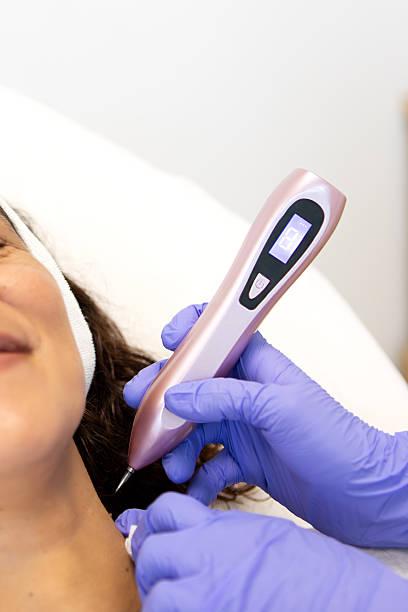
Moles are common skin growths that can appear on different parts of the body. While many moles are harmless, some people choose to have them removed for cosmetic reasons, irritation, or medical evaluation. Understanding what happens during a mole removal procedure can help you feel more comfortable and prepared before your appointment. From the initial skin assessment to aftercare, each step is designed to support safe treatment and appropriate healing.
If you are searching for Mole Removal in Riyadh, learning about the available techniques and what to expect can help you make an informed decision. Whether you are looking for mole removal near me to address a raised mole, a noticeable facial mark, or a growth that frequently catches on clothing, a professional consultation is an important first step. The appropriate approach depends on the mole's appearance, location, size, and medical characteristics.
What Happens Before a Mole Removal Procedure?
Initial Skin Assessment
The procedure usually begins with a consultation and examination of the mole. A qualified healthcare professional evaluates its size, shape, color, texture, and location. They may ask whether the mole has changed over time or caused symptoms such as itching, bleeding, or discomfort.
This assessment helps determine whether removal is appropriate and which technique may be suitable. If a mole appears suspicious, further evaluation or a biopsy may be necessary to investigate possible skin cancer before proceeding with a cosmetic removal approach.
Choosing the Appropriate Removal Method
Different techniques are available depending on the mole's characteristics. Surgical excision involves removing the mole with a small incision and may be recommended when complete removal or laboratory examination is needed. Shave removal involves removing a raised mole at or near the skin's surface when clinically appropriate.
Laser treatment may be considered for selected pigmented lesions after a professional assessment confirms that it is suitable. However, laser treatment is not appropriate for every mole, particularly when tissue examination is needed. Your healthcare professional will explain the recommended method, potential scarring, and expected healing process.
What Happens During the Actual Procedure?
Preparing the Treatment Area
Before removal begins, the treatment area is cleaned to help reduce the risk of infection. The healthcare professional may mark the area to identify the exact location of the mole. A local anesthetic is commonly used for surgical removal and other procedures where appropriate to minimize discomfort.
You may feel a brief sting when the anesthetic is injected, followed by numbness around the treatment site. The exact preparation depends on the technique being used and the location of the mole.
Removing the Mole
Once the area is prepared, the healthcare professional performs the selected procedure. During surgical excision, the mole and, when indicated, a small amount of surrounding tissue are removed. The wound may be closed with stitches, depending on its size and depth. With shave removal, a specialized instrument removes the raised portion of the mole.
You may notice pressure or movement during the procedure, but local anesthesia should help control pain. The duration varies according to the mole's size, location, and removal method. If tissue is removed for examination, it may be sent to a laboratory for further analysis.
Protecting the Treated Skin
After removal, the area is cleaned and covered with an appropriate dressing when necessary. The healthcare professional provides instructions on wound care, keeping the site clean, and recognizing signs of complications. Following these recommendations is essential for proper healing and reducing the likelihood of infection or noticeable scarring.
What Happens After Mole Removal?
Healing and Recovery
Recovery depends on the depth of removal, the treatment location, and your individual healing response. Mild tenderness, redness, or swelling may occur during the initial healing period. If stitches are used, you may need a follow-up appointment for their removal, depending on the type of stitches and the treated area.
Avoid picking at scabs or irritating the wound. Follow the recommended cleaning and dressing instructions, and protect the healing skin from direct sunlight. Once the area has healed, sunscreen may help reduce discoloration and protect the skin.
Possible Side Effects and Warning Signs
Temporary redness, minor bleeding, and tenderness can occur after treatment. Scarring, changes in skin pigmentation, infection, or regrowth are also possible, depending on the removal technique and individual circumstances.
Contact your healthcare professional if you experience increasing pain, spreading redness, warmth, pus, persistent bleeding, or other concerning symptoms. If the mole was removed for examination, ask about the results and any recommended follow-up care.
Frequently Asked Questions
Is mole removal painful?
Most minor mole removal procedures involve local anesthesia when appropriate. You may feel a brief sting during the injection, but the treated area should become numb. Mild soreness may occur after the anesthetic wears off.
How long does it take for the skin to heal?
Healing time varies depending on the removal technique, wound depth, and location. Superficial wounds may heal within a few weeks, while deeper surgical wounds can take longer. Your healthcare professional can explain what to expect for your specific procedure.
Will mole removal leave a scar?
A scar may develop after mole removal, particularly when surgical excision is required. Its appearance depends on the mole's size, the technique used, skin characteristics, and aftercare. No method can guarantee a completely scar-free result.
Can every mole be removed with a laser?
No. Laser treatment is suitable only for selected lesions after professional evaluation. Moles that appear suspicious may require surgical removal or biopsy so the tissue can be examined under a microscope.
When should I have a mole checked by a professional?
Arrange an assessment if a mole changes in size, shape, or color, develops irregular borders, begins bleeding, or becomes persistently itchy. A new or changing mole should not automatically be treated as a cosmetic concern without appropriate medical evaluation.
Book a Mole Removal Consultation at Enfield Royal Clinic
Understanding the mole removal process can help you approach treatment with greater confidence. At Enfield Royal Clinic, you can seek a professional assessment to discuss your skin concerns, explore suitable removal options, and understand the expected recovery process. Book a consultation to learn which approach may be appropriate for your needs and how to care for your skin after treatment.

 English
 Arabic
 French
 Spanish
 Deutsch
 Turkish
 Dutch
 Italiano
 Russian
 Romaian
 Portuguese (Brazil)
 Greek