


Ergonomic Support Options for Office Environments
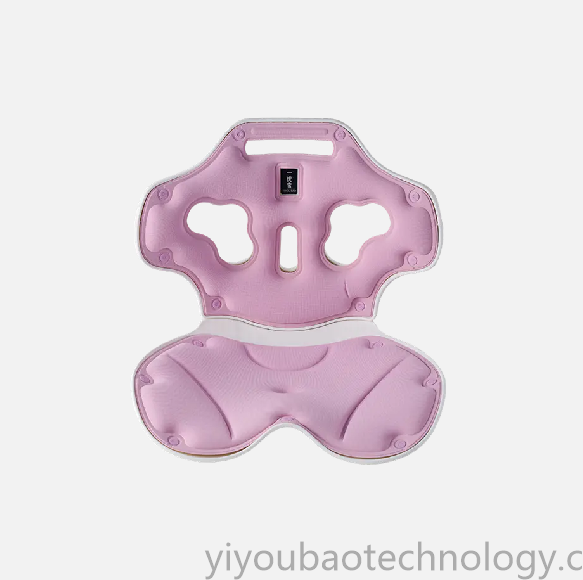
Office work, study, and other seated activities can involve long periods in a relatively fixed position. A Lumbar Support Posture Corrector Chair product is generally intended to add support to the lower-back area when used with a suitable chair. Buyers should evaluate its shape, adjustability, materials, and intended use carefully, since seating preferences and body proportions differ from person to person. Product design should emphasize practical comfort and appropriate positioning rather than promising to correct every posture problem or prevent all back discomfort.
The design of a seating accessory begins with understanding how the user interacts with the chair. Seat depth, backrest angle, cushion thickness, and desk height can all influence the sitting experience. An additional support product may help fill the gap between the lower back and the chair, but the amount and position of support need to suit the individual. Accessories should complement the chair rather than force the user into an unnatural position. A flexible design approach can make products suitable for a broader range of everyday seating arrangements.
Material engineering affects how the accessory feels and performs over time. Foam materials are often used to create a defined shape, while mesh or breathable textile covers may help manage heat during extended use. Other designs may combine a supportive core with a soft outer layer to balance structure and comfort. Manufacturers should consider compression recovery, surface durability, stitching quality, and cover maintenance. Material choices should also match the intended environment, whether the product is used in an office, at home, or in a vehicle.
Adjustability is particularly useful when an accessory is intended for multiple users or chair types. Adjustable straps can help secure a support cushion at different heights, while a suitable shape can reduce unwanted movement during normal sitting. Fasteners should be straightforward to operate, and the product should remain stable when adjusted correctly. Buyers should confirm the dimensions and attachment method before recommending a product for a specific chair. Clear instructions help users position the accessory appropriately and understand its intended function.
Comfort testing should account for more than the initial impression. A product may feel supportive during a brief trial but behave differently after repeated compression or extended use. Product evaluation can include checking material resilience, seam durability, fastening strength, and shape retention. User feedback from different seating environments can also reveal whether a design needs adjustments. Although comfort is subjective, structured evaluation and consistent production standards can help manufacturers improve reliability and reduce avoidable quality issues.
Manufacturing processes typically involve material preparation, cutting, shaping, cover production, sewing, assembly, and final inspection. Each stage can affect the finished product. Inconsistent filling may create uneven support, while poorly positioned seams or weak straps can affect usability. Inspection procedures can verify dimensions, surface condition, stitching, fastening components, and packaging quality. Maintaining approved samples and documented specifications helps ensure that repeat batches remain consistent with the product accepted by the buyer.
For office furniture distributors and workplace suppliers, product compatibility is an important purchasing consideration. Some customers need compact accessories for shared workstations, while others seek products that coordinate with existing furniture or meet specific procurement requirements. Vehicle users may need a different form factor from people sitting at a desk. Businesses should clarify the target audience, chair types, material preferences, color options, and packaging requirements before selecting a product range. This makes it easier to match product features to customer expectations.
Responsible product information should explain what the accessory can and cannot do. Seating support may contribute to a more comfortable sitting arrangement, but posture is also influenced by chair adjustment, desk layout, movement habits, and individual needs. Users can benefit from changing positions regularly and arranging their workstation to suit their body dimensions. Persistent or severe discomfort may require advice from a qualified healthcare professional rather than relying on an accessory alone. Accurate product descriptions help establish realistic expectations and support informed purchasing.
Business buyers should assess suppliers through samples, specifications, quality procedures, and communication practices. Important details include material composition, available dimensions, fastening options, customization, packaging, lead times, and order quantities. It is useful to agree on inspection standards before production and to confirm how changes will be handled. For international procurement, consistent documentation and timely responses can help simplify coordination between purchasing teams, suppliers, and logistics partners.
When evaluating a Lumbar Support Posture Corrector Chair accessory, buyers should focus on practical fit, material quality, adjustability, and consistent manufacturing rather than broad claims about posture correction. Yiyoubao offers seating support products for everyday environments and different user requirements. Businesses can explore relevant product options at https://www.yiyoubaotechnology.com/product/lumbar-supports-seat-cushions/ and assess which designs suit their customers and distribution channels.

 English
 Arabic
 French
 Spanish
 Portuguese
 Deutsch
 Turkish
 Dutch
 Russian
 Romaian
 Portuguese (Brazil)
 Greek