


Certified Fire Protection Specialist: Skills and Qualifications
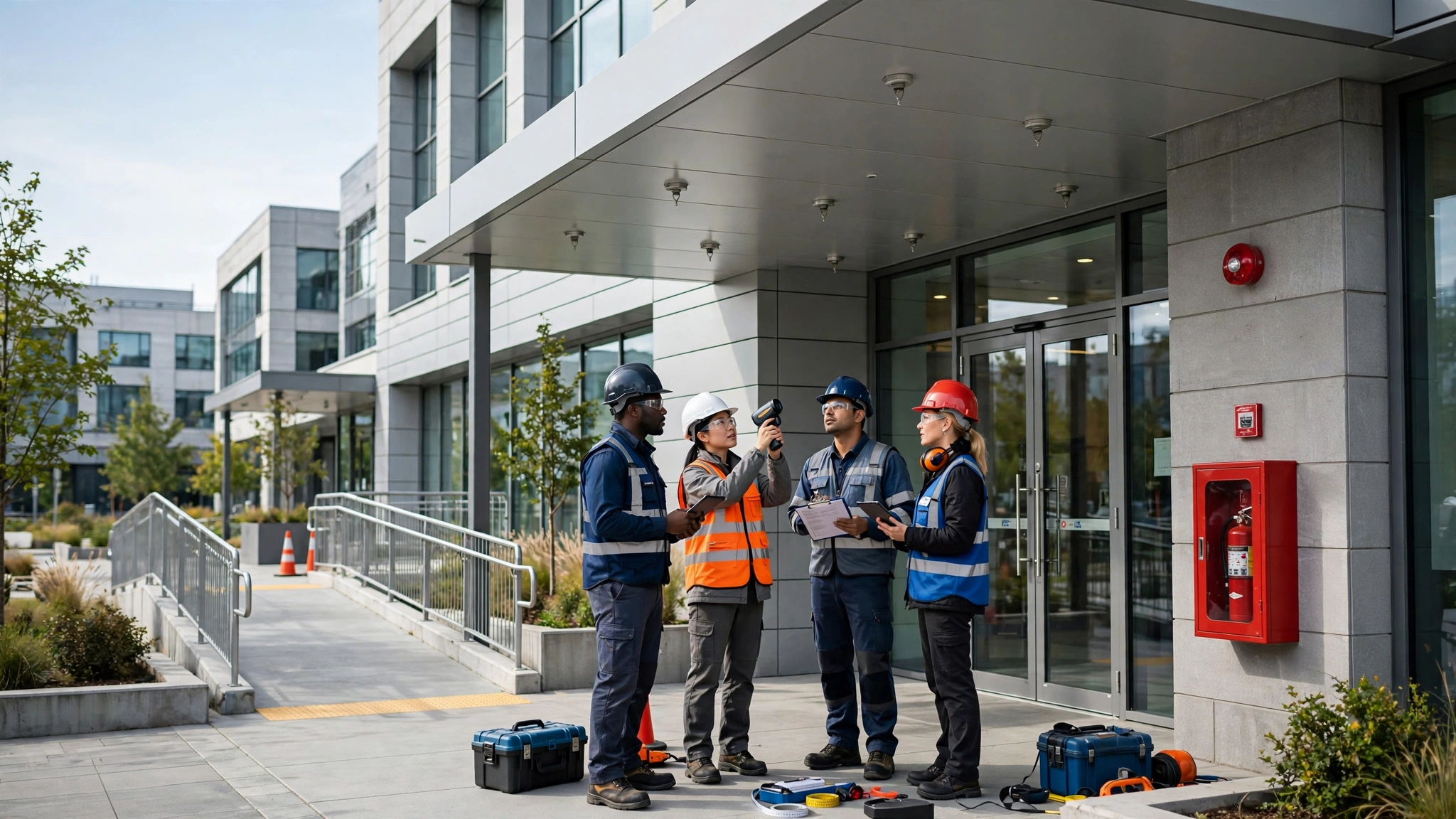
A safer building starts with understanding how a fire could begin, spread, and affect the people inside. The Certified Fire Protection Specialist credential reflects knowledge relevant to fire prevention and protection, helping professionals build a stronger understanding of recognised fire safety practices. However, effective risk management also requires practical assessment, suitable protective measures, and regular follow-up. Building owners and project teams must connect technical knowledge with the real conditions found in workplaces, public buildings, and residential developments.
1. Understand the Purpose of Fire Risk Assessment
A fire risk assessment examines potential hazards, the people who may be affected, and the measures available to prevent or limit harm. Its purpose is to support informed decisions rather than produce paperwork that is never used.
The assessment should consider ignition sources, combustible materials, building layout, occupancy, emergency exits, detection systems, and relevant fire protection arrangements. The exact requirements depend on the location, building use, and applicable regulations.
For example, a small office may contain electrical equipment, paper records, kitchen appliances, and storage areas. Reviewing these conditions can reveal risks such as damaged cables, overloaded power boards, or materials stored beside heaters.
The assessor should record important findings, prioritise corrective actions, and identify the people responsible for completing them. High-priority hazards should receive prompt attention.
A risk assessment also needs review when conditions change. New equipment, additional occupants, renovation work, or changes in storage practices may introduce hazards that were not present during the original assessment.
2. Identify Hazards in Everyday Building Operations
Fire hazards often develop through ordinary activities rather than unusual events. Poor housekeeping, unsafe electrical practices, unattended heat sources, and unsuitable storage can increase risk when controls are weak.
A useful assessment examines how people actually use the building. This may include reviewing work processes, observing storage arrangements, checking maintenance records, and discussing concerns with employees or facility managers.
Consider a workshop where workers use heat-producing equipment near combustible packaging. If materials are left beside the work area, a small ignition could develop into a larger incident. Moving the materials, controlling hot work, and improving supervision can reduce the exposure.
Another example is a commercial kitchen where grease accumulates around cooking equipment. Cleaning schedules, equipment maintenance, and suitable suppression arrangements can help address the relevant hazards.
The most effective response depends on the cause of the risk. Warning signs alone cannot compensate for unsafe work practices or unsuitable equipment placement. Controls should remove hazards where practical and reduce remaining risks through appropriate measures.
3. Evaluate Detection, Suppression, and Compartmentation
Fire protection systems perform different functions and should be assessed as parts of a coordinated strategy. Detection and alarm systems alert occupants, suppression systems can control or extinguish a fire, and compartmentation helps restrict its spread.
A fire safety review should consider whether the systems are appropriate for the building and maintained in accordance with applicable requirements. Their interaction with building layout and occupant movement is equally important.
For example, a multi-tenant office building may contain fire-rated walls separating different areas. If contractors create unprotected openings for new cables, the intended fire separation may be weakened. Suitable tested firestopping details and proper installation help maintain the assembly's performance.
Similarly, a blocked detector or an impaired sprinkler system can affect the intended level of protection. Defects should be reported, assessed, and corrected by appropriately qualified personnel.
The presence of equipment is not enough. The building team needs evidence that relevant systems are suitable, functional, and maintained under an appropriate inspection and testing programme.
4. Protect Occupants Through Effective Evacuation Planning
Emergency planning must reflect the building's occupancy, layout, and expected use. People need suitable escape routes, clear instructions, and a way to receive warnings during an emergency.
Important considerations include exit access, travel distances, door arrangements, emergency lighting, signage, and the needs of occupants who may require assistance. Applicable building and fire safety requirements determine the measures needed for each project.
For example, a public library may contain visitors unfamiliar with the layout, children attending activities, and people with mobility limitations. Emergency planning should consider these different needs rather than assuming every occupant can leave in the same way.
Building management should keep escape routes clear and communicate procedures to staff and visitors. Where appropriate, drills can help identify confusion about exits or assembly locations.
An evacuation plan should also be reviewed after significant changes to the building or its use. New partitions, relocated workstations, and revised access arrangements may affect how people move towards safety.
5. Turn Inspection Findings into Practical Action
An inspection becomes valuable when its findings lead to corrective work. Reports should explain what was observed, why it matters, and what action is recommended. Photographs, location details, and relevant records can help responsible teams understand the issue.
For example, an inspector may discover that a fire door does not close properly because its hardware is damaged. The report should identify the door, describe the observed defect, and recommend assessment and repair by a suitable professional.
Issues should be prioritised according to their significance and the applicable requirements. Responsible staff should receive clear deadlines, and completed actions should be documented.
Vortex Fire Protection is a useful starting point for exploring the fire safety engineering, building code consulting, and inspection services described on Vortex Fire's official website. Project teams should confirm whether a proposed inspection covers design review, installation checks, commissioning, or another defined activity.
A structured process reduces the likelihood that important observations will be overlooked after a report has been issued.
6. Maintain Safety Through Training and Ongoing Review
Fire risk management is an ongoing responsibility. Buildings change, equipment wears out, and staff members may not understand emergency procedures unless they receive appropriate information and training.
Training should match the workplace and the responsibilities of participants. Employees may need to understand alarm signals, evacuation routes, reporting procedures, and the safe use of relevant emergency equipment.
For example, a warehouse supervisor may need procedures for reporting damaged sprinkler heads, keeping aisles clear, and controlling temporary storage. Office staff may need clearer instructions about evacuation routes and assembly points.
Building managers should maintain inspection records, review defects, and check that corrective work has been completed. Changes in occupancy, layout, or business operations should trigger a review of relevant fire safety arrangements.
Professional development also helps people responsible for safety understand changing practices and technical requirements. It should support practical competence rather than replace site-specific assessment.
7. Conclusion
Effective fire risk assessment combines hazard identification, appropriate protection systems, evacuation planning, inspections, and continued maintenance. A Certified Fire Protection Specialist credential can demonstrate relevant professional knowledge, but successful risk management also depends on careful implementation and clear accountability. Vortex Fire Protection offers a way to explore specialist fire safety consultancy and engineering services through its official website. Building owners should select suitable professionals, address identified risks, and maintain records that support safer building operations.
FAQs
What should a fire risk assessment include?
It should examine hazards, people at risk, existing controls, necessary improvements, and responsibilities for corrective action.
Who should carry out a fire risk assessment?
The person should have competence appropriate to the building, the risks involved, and applicable legal requirements.
Why should assessments be reviewed?
Changes to occupancy, equipment, layout, or work activities may introduce new risks or make existing controls unsuitable.
Are fire alarms enough to protect a building?
No. Alarms are one part of a wider approach that may include suppression, compartmentation, evacuation arrangements, and maintenance.
How can inspection findings be managed effectively?
Record each issue, assign responsibility, set suitable priorities, complete corrective work, and retain evidence of closure.

 English
 Arabic
 French
 Spanish
 Portuguese
 Deutsch
 Turkish
 Dutch
 Italiano
 Russian
 Portuguese (Brazil)
 Greek