


Surgical Supply Store and Medical Equipment Shop Trends Healthcare Professionals Should Know
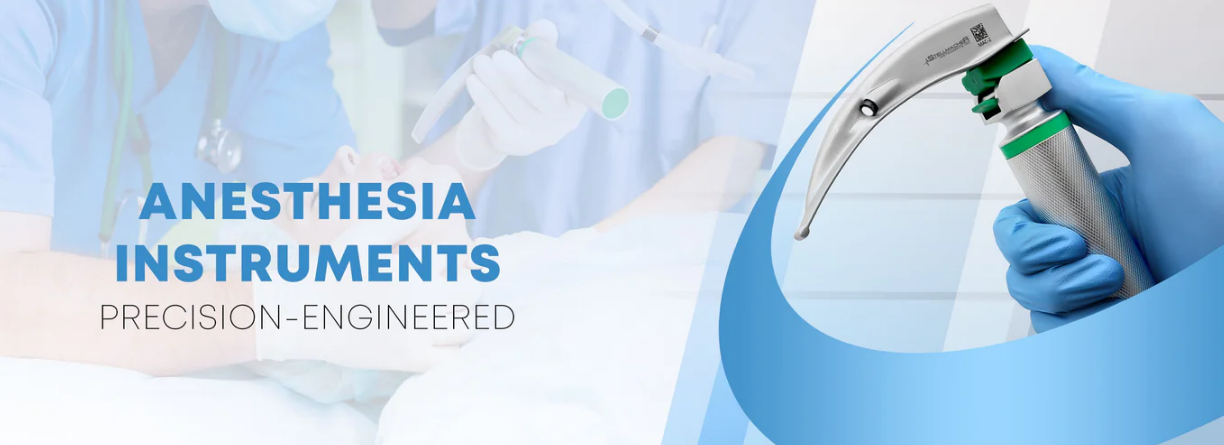
Healthcare purchasing is changing as hospitals, clinics, surgical centres, and home-care providers search for safer, faster, and more cost-effective ways to obtain essential products. A modern surgical supply store is no longer simply a place that sells gloves, dressings, surgical instruments, and diagnostic equipment. It is becoming a technology-enabled partner that supports inventory control, equipment selection, regulatory compliance, employee training, and long-term maintenance. Healthcare professionals should understand the following trends before selecting suppliers or purchasing new medical equipment.
1. Digital Purchasing Is Becoming the Standard:
Medical equipment shops are increasingly offering online catalogues, digital quotations, automated reordering, and account-based purchasing systems. These platforms allow healthcare teams to compare specifications, check stock availability, review previous orders, and manage purchasing records without depending entirely on phone calls or paperwork. Digital procurement can reduce administrative pressure and prevent common ordering mistakes.
Suppliers that provide accurate product descriptions, downloadable certificates, transparent pricing, and real-time stock information are becoming more useful to professional healthcare buyers. WHO guidance treats medical-device procurement, management, and appropriate use as closely connected responsibilities.
2. Smarter Inventory and Expiry Tracking:
Healthcare facilities cannot afford to run out of sterile supplies, but excessive stock can also create waste when products expire. Surgical supply stores are responding by introducing barcode scanning, cloud-based inventory systems, low-stock notifications, and automatic replenishment services. Unique device identification is also improving traceability. The FDA’s UDI system is designed to identify medical devices from manufacturing and distribution through to patient use, making it easier to track models, batches, serial numbers, and expiration dates.
3. Demand for Connected and Portable Equipment:
Portable patient monitors, wireless diagnostic tools, smart infusion systems, and app-connected medical devices are becoming more important across different healthcare settings. These products can help professionals collect, monitor, and share patient information more efficiently. The development of hospital-at-home and remote-care services is also increasing demand for compact hospital beds, oxygen equipment, mobility products, and monitoring devices that can be used safely outside traditional hospitals. CMS continues to release information from its Acute Hospital Care at Home initiative, demonstrating the continuing role of home-based acute care.
4. Cybersecurity Is Now a Purchasing Concern:
When medical equipment connects to a hospital network, mobile application, or cloud platform, cybersecurity becomes part of patient safety. Healthcare buyers should ask how software updates are provided, whether user access is protected, where patient information is stored, and how security weaknesses are handled after purchase.
Current FDA guidance emphasises cybersecurity in medical-device design and documentation. It also encourages manufacturers to manage vulnerabilities throughout a product’s lifecycle. A cheaper connected device may eventually become expensive or unsafe when it does not include dependable security support.
5. Greater Focus on Reliable Supply Chains:
Supply disruptions have encouraged hospitals and clinics to examine where products are manufactured, how quickly they can be delivered, and whether approved alternatives are available. Healthcare professionals increasingly value suppliers that maintain sufficient stock, provide realistic delivery dates, suggest appropriate substitutes, and communicate delays early.
Before purchasing expensive equipment, buyers should also confirm the future availability of spare parts, accessories, batteries, sensors, and consumables. A machine may have an attractive purchase price but become difficult to use when replacement parts are unavailable.
6. Sustainable Medical Purchasing:
Healthcare organisations are paying closer attention to packaging, energy consumption, reusable alternatives, waste reduction, and responsible product disposal. WHO guidance on decarbonising healthcare supply chains highlights the importance of changing how healthcare systems select, purchase, and use goods and services. However, sustainability does not mean selecting reusable products in every situation. Infection control, sterilisation capacity, product quality, patient safety, and total lifecycle costs must remain central to every purchasing decision.
7. Service, Training, and Compliance Matter More:
Healthcare professionals are looking beyond the initial product price. Installation, calibration, preventive maintenance, warranties, employee training, repair times, and regulatory documents now have a major influence on purchasing decisions. A dependable medical equipment shop should verify product authenticity, supply instructions for use, explain storage requirements, provide maintenance schedules, and support customers during product recalls. WHO guidance similarly recognises that purchasing, managing, and using medical devices properly require careful planning and professional support.
Final Thoughts:
The strongest medical equipment suppliers are becoming long-term healthcare partners rather than simple retailers. Healthcare professionals should choose stores that combine authentic products with digital convenience, accurate traceability, cybersecurity awareness, dependable stock, sustainable practices, and responsive after-sales support. Considering these factors can protect healthcare budgets, improve daily operations, reduce equipment downtime, and support safer patient care.

 English
 Arabic
 French
 Spanish
 Portuguese
 Deutsch
 Turkish
 Dutch
 Russian
 Romaian
 Portuguese (Brazil)
 Greek