


How to Avoid Problems During an Overseas Move
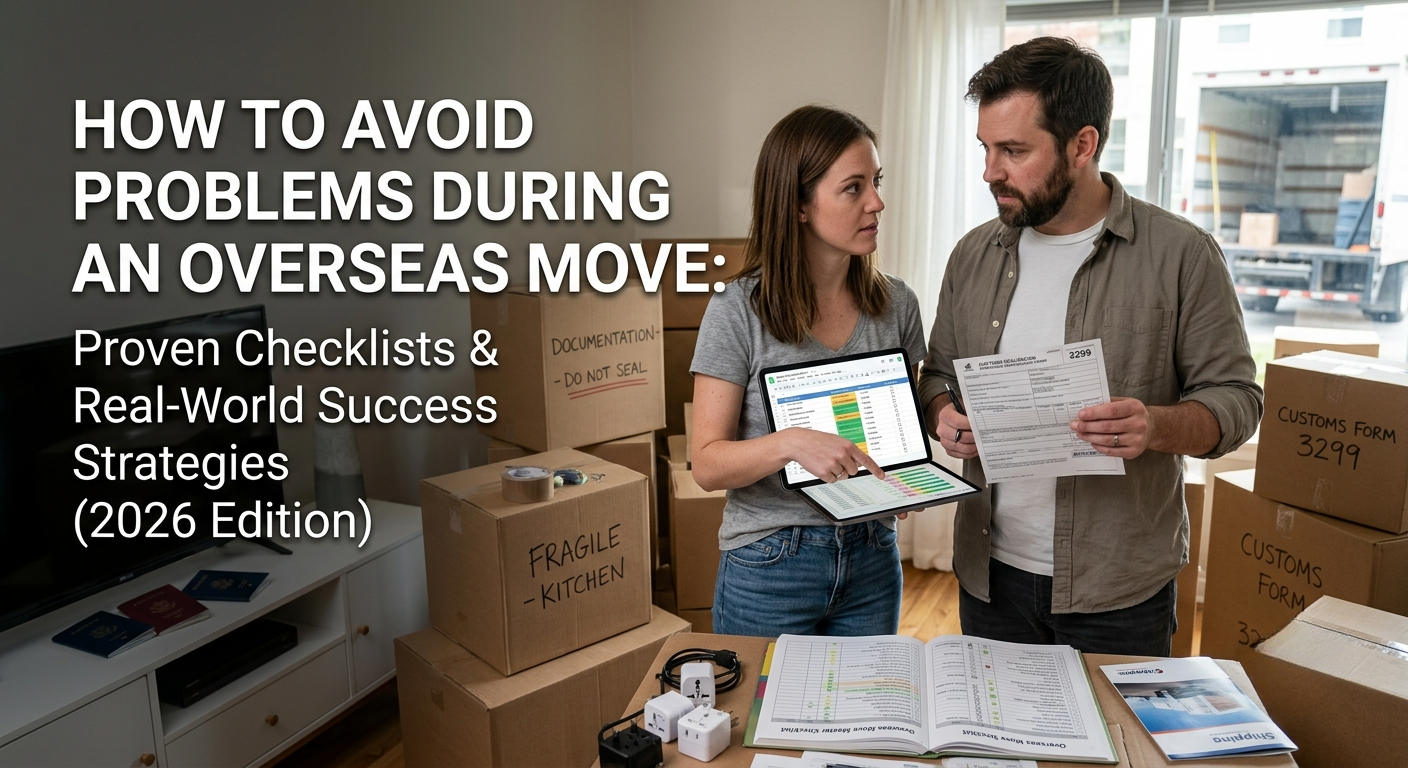
Moving to another country is exciting, but it also comes with unique challenges that require careful planning. Even small mistakes can lead to unexpected delays, higher costs, or damaged belongings.
A well-organized relocation strategy helps reduce stress and makes settling into a new country much easier.
Why Overseas Moves Are More Complex Than Domestic Moves
An overseas move involves much more than transporting household belongings from one location to another. International relocations often require customs documentation, shipping logistics, insurance, import regulations, and careful scheduling.
According to the International Organization for Migration (IOM), millions of people relocate across international borders every year for work, education, business, and family reasons. While opportunities abroad continue to grow, successful relocations depend heavily on preparation and choosing reliable moving support.
Before making important decisions, many people use resources such as My Moving Journey, a moving directory and resource website that helps individuals research relocation options, compare moving information, and better understand the international moving process.
Start Planning Earlier Than You Think
One of the biggest mistakes people make is waiting until the last few weeks before their move.
International relocations involve multiple parties, including shipping companies, customs authorities, freight handlers, and destination agents. Delays from any one of them can affect the entire timeline.
A realistic moving schedule should include:
-
Creating a relocation timeline
-
Researching destination country regulations
-
Gathering required documents
-
Scheduling packing and shipping dates
-
Preparing temporary accommodation if necessary
-
Organizing finances for moving expenses
Starting early provides flexibility if unexpected issues arise.
Research Import Rules Before Packing
Every country has different customs regulations.
Some household items are restricted, while others may require permits or additional inspections. Certain countries also prohibit importing specific foods, plants, electronics, medications, or wooden products.
Ignoring these rules may result in:
-
Customs delays
-
Additional inspection fees
-
Confiscated belongings
-
Shipping holds
-
Unexpected taxes
Official government customs websites should always be reviewed before finalizing a packing list.
Create a Detailed Moving Inventory
A complete inventory serves several important purposes throughout an overseas move.
It helps verify shipped items, supports insurance claims if damage occurs, simplifies customs declarations, and makes unpacking much easier after arrival.
An effective inventory should include:
-
Item description
-
Quantity
-
Estimated value
-
Box number
-
Photos of valuable belongings
Taking photographs before packing also provides useful documentation if claims become necessary later.
Choose Professional Movers With International Experience
Not every moving company specializes in overseas relocations.
International shipping involves freight forwarding, customs coordination, overseas partners, and destination logistics that require specialized expertise.
When evaluating movers, consider:
-
Years of international moving experience
-
Licensing and certifications
-
Insurance options
-
Destination country expertise
-
Customer reviews
-
Transparent pricing
-
Written estimates
Experienced movers often identify potential issues before they become expensive problems.
Understand Shipping Options
Different shipping methods affect both cost and delivery time.
Air Freight
Air freight offers faster delivery but usually costs significantly more.
It works well for:
-
Essential household items
-
Important documents
-
Electronics
-
Time-sensitive belongings
Sea Freight
Sea freight remains the most common choice for household relocations because it provides greater capacity at a lower cost.
Although shipping takes longer, it is generally more economical for full household moves.
Understanding the advantages and limitations of each option allows families to select the most suitable shipping method.
Compare Reliable International Moving Providers
Choosing the right relocation partner is one of the most important decisions during an overseas move. Comparing multiple companies allows customers to evaluate services, pricing, transit times, insurance options, and destination coverage before making a commitment.
Many people research trusted international relocation services through directories to compare providers, understand available services, and make more informed relocation decisions based on their specific destination and moving requirements.
Purchase Proper Moving Insurance
Standard transportation coverage may not fully protect valuable belongings during international transit.
Cargo passes through several stages, including:
-
Packing
-
Local transportation
-
Warehousing
-
Ocean or air transport
-
Customs inspections
-
Final delivery
Comprehensive moving insurance helps reduce financial risk if belongings are lost or damaged.
Before purchasing coverage, carefully review:
-
Coverage limits
-
Exclusions
-
Deductibles
-
Claim procedures
-
Required documentation
Understanding the policy before shipping prevents unpleasant surprises later.
Prepare Important Documents in Advance
Missing paperwork causes many overseas moving delays.
Essential documents commonly include:
-
Passport
-
Visa
-
Residence permit
-
Customs forms
-
Inventory list
-
Shipping contracts
-
Insurance documents
-
Birth certificates
-
Marriage certificates
-
Medical records
Digital backups should also be stored securely in cloud storage for easy access while traveling.
Pack With International Transit in Mind
International shipments experience significantly more handling than local moves.
Boxes may be loaded, unloaded, inspected, stacked, stored, and transferred between multiple transportation methods before reaching their final destination.
Proper packing should include:
-
Double-wall boxes
-
Heavy-duty packing tape
-
Cushioning materials
-
Moisture protection
-
Fragile item labeling
-
Reinforced corners for heavier boxes
Professional packing often reduces the likelihood of damage during long-distance transportation.
Keep Essentials With You
Some belongings should never be placed inside the shipment.
Travelers should personally carry:
-
Passports
-
Medications
-
Financial documents
-
Jewelry
-
Laptops
-
Mobile devices
-
Chargers
-
Personal identification
-
Emergency contact information
Keeping these items accessible provides peace of mind during travel.
Prepare for Possible Delays
International shipping schedules can change due to weather conditions, customs inspections, port congestion, transportation disruptions, or documentation reviews.
Building flexibility into relocation plans helps reduce stress if shipments arrive later than expected.
Helpful preparations include:
-
Temporary clothing
-
Basic kitchen supplies
-
Personal hygiene items
-
Essential work equipment
-
Children's necessities
Being prepared for delays makes the transition much easier.
Stay Organized After Arrival
The moving process continues even after the shipment reaches its destination.
Upon delivery:
-
Inspect every box
-
Compare items against the inventory
-
Report visible damage immediately
-
Keep all shipping paperwork
-
Photograph damaged items
-
File insurance claims promptly if needed
Quick documentation helps resolve potential claims more efficiently.
Common Mistakes That Cause Overseas Moving Problems
Many relocation challenges can be avoided with better planning.
The most common mistakes include:
-
Booking movers too late
-
Choosing companies based only on price
-
Ignoring customs regulations
-
Underestimating shipping timelines
-
Skipping moving insurance
-
Packing prohibited items
-
Failing to create an inventory
-
Losing important documents
-
Not budgeting for unexpected expenses
Avoiding these mistakes greatly improves the likelihood of a successful move.
Final Thoughts
An overseas move requires careful preparation, informed decision-making, and realistic expectations. While international relocations involve more moving parts than domestic moves, most problems can be prevented through early planning, proper documentation, reliable moving partners, and organized packing.
Taking time to research regulations, compare service providers, protect valuable belongings, and stay organized throughout the process helps create a smoother transition. With the right preparation, individuals and families can focus less on moving challenges and more on settling confidently into their new home abroad.

 English
 Arabic
 French
 Spanish
 Portuguese
 Deutsch
 Turkish
 Dutch
Dutch
 Russian
 Romaian
 Portuguese (Brazil)
 Greek
Greek