


Tank Weighing Systems in UAE | Precise, Durable & Industrial-Grade Solutions
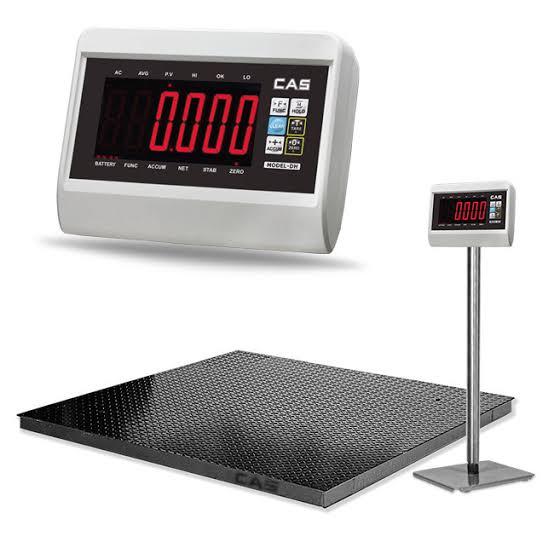
Accurate measurement is essential for industries that store and process liquids, powders, chemicals, and other materials in large tanks. A reliable Tank Weighing System in UAE provides businesses with an efficient way to monitor the weight of materials stored inside tanks while supporting better inventory management and process control. By using weighing sensors and suitable control equipment, businesses can obtain consistent weight information without depending only on manual estimation.
What Is a Tank Weighing System?
A tank weighing system is an industrial weighing solution designed to measure the weight of materials contained inside a tank, vessel, hopper, or similar storage structure. The system generally uses load cells installed beneath or around the tank structure. These load cells detect the applied load and convert it into an electrical signal that can be processed and displayed by a weighing indicator or controller.
Tank weighing is useful because the system measures the actual weight of the contents rather than relying only on volume or visual level estimation. This can be particularly valuable when material density changes during production or storage.
Why Tank Weighing Is Important for UAE Industries
Many businesses in the UAE operate large-scale manufacturing, processing, storage, and logistics facilities. These operations often require accurate monitoring of raw materials and finished products.
A suitable tank weighing solution can help businesses:
-
Monitor material quantities more accurately
-
Improve inventory management
-
Reduce material wastage
-
Support production and batching processes
-
Improve operational efficiency
-
Maintain better control over stored materials
Accurate weight information can also help operators make better decisions during filling, dispensing, and production activities.
How Does a Tank Weighing System Work?
A typical tank weighing system uses load cells as the primary weighing sensors. These sensors are positioned at suitable support points of the tank. As material enters or leaves the tank, the total load changes, and the load cells detect that change.
The signal from the load cells is sent to a weighing indicator or controller. The resulting weight can then be displayed for operators or transferred to another control system where required. Some industrial weighing systems can also be integrated with automation and process-control equipment.
This continuous measurement makes tank weighing useful for industrial environments where operators need reliable information during production or material handling.
Applications of Tank Weighing Systems
Tank weighing systems can be used in many industries because different materials can be stored and processed in tanks.
Chemical Industry
Chemical manufacturers often work with liquids, powders, and other materials that require controlled measurement. Tank weighing can help monitor quantities during storage, mixing, and production.
Food and Beverage Industry
Food processing facilities may use tanks for ingredients, liquids, syrups, oils, and other materials. Accurate weight measurement can support consistent recipes and production processes.
Oil and Gas Industry
Storage and processing operations in the oil and gas sector may require reliable measurement of materials held in tanks. Tank weighing can provide useful weight information for inventory and operational control.
Pharmaceutical Industry
Pharmaceutical production requires careful control of ingredients and materials. Suitable weighing systems can support accurate measurement during manufacturing and batching processes.
Manufacturing Facilities
Manufacturers can use tank weighing systems for raw materials, liquids, powders, and other production inputs. The system can help improve material control throughout the production cycle.
Main Components of a Tank Weighing System
Understanding the major components can help businesses choose an appropriate system for their application.
Load Cells
Load cells are the primary sensing components. They detect the force or weight applied by the tank and its contents and convert it into an electrical signal.
Weighing Indicator
The indicator receives the signal from the load cells and displays the calculated weight. Depending on the application, indicators can also provide additional functions for operators and control systems.
Junction Box
A junction box can connect multiple load cells and combine their signals before sending the measurement to the weighing indicator or controller.
Mounting Components
Proper mounting hardware is important for maintaining stable and accurate measurements. The mounting arrangement should be selected according to the tank design, capacity, and installation conditions.
Benefits of Tank Weighing Systems
Installing an appropriate tank weighing system can provide several operational advantages.
Better Inventory Control
Knowing the actual weight of materials inside a tank helps businesses maintain more reliable inventory records. This can make it easier to determine how much material is available at a particular time.
Improved Process Control
Weight data can be used to monitor production processes and control the amount of material entering or leaving a tank. This can be useful for batching, mixing, filling, and dispensing applications.
Reduced Material Waste
Accurate measurement can help businesses avoid using excessive quantities of raw materials. Better control may contribute to reduced waste and improved resource utilization.
Increased Efficiency
Automated weighing reduces the need for repeated manual measurements. Operators can monitor weight information more efficiently and focus on other production activities.
Choosing the Right Tank Weighing System
Every tank installation has different requirements. Therefore, businesses should evaluate several factors before selecting a weighing system.
Important considerations include:
-
Tank size and construction
-
Maximum and minimum load
-
Type of material being stored
-
Number of support points
-
Required weighing accuracy
-
Installation environment
-
Temperature and moisture conditions
-
Required communication or automation features
-
Maintenance and calibration requirements
A professional assessment can help ensure that the selected equipment is suitable for the actual application.
Importance of Proper Installation
Installation plays an important role in the performance of a tank weighing system. Load cells and mounting components must be positioned correctly so that the weight is transferred properly to the weighing sensors.
Mechanical restrictions, pipe connections, external forces, and tank movement can influence weighing performance. Therefore, the installation should be planned according to the tank structure and surrounding equipment.
Proper installation can help improve measurement consistency and reduce problems during everyday operation.
Calibration and Maintenance
Regular calibration and maintenance are important for maintaining reliable weighing performance. Industrial weighing systems can experience changes over time because of environmental conditions, mechanical stress, or continuous use.
Businesses should inspect the system periodically and check for issues such as:
-
Damaged cables or connections
-
Load cell alignment problems
-
Loose mounting components
-
Unusual weight readings
-
Mechanical interference
-
Excessive environmental exposure
Calibration using suitable reference weights or other approved methods can help maintain measurement accuracy.
Tank Weighing and Industrial Automation
Modern industries increasingly use automation to improve productivity and process control. Tank weighing systems can be integrated with industrial control equipment to provide weight information during production.
For example, weight data can support automated filling, batching, dosing, or dispensing processes. Depending on the equipment and configuration, weighing data may also be transferred to computers or control systems.
This type of integration can help businesses reduce manual intervention and improve consistency in repetitive processes.
Why Choose Al Falah Scales?
Al Falah Scales provides weighing solutions for industrial and commercial applications. When selecting a tank weighing solution, businesses should consider their tank design, material type, required capacity, operating environment, and desired level of automation.
Choosing equipment according to the actual application can help businesses achieve reliable measurement and better long-term performance. A suitable weighing solution can support inventory management, production control, and efficient material handling.
Tank Weighing Solutions for UAE Businesses
Industries across the UAE require dependable weighing equipment for different applications. From manufacturing and food processing to chemical production and material storage, accurate weight information can play an important role in daily operations.
A properly selected Tank Weighing System in UAE can help businesses monitor stored materials, improve production control, and maintain more accurate inventory information. With suitable installation, calibration, and maintenance, tank weighing equipment can become an important part of an efficient industrial weighing setup.
Conclusion
Tank weighing systems provide an accurate and practical method for monitoring materials stored in industrial tanks. They can support inventory management, production control, batching, and material handling. For UAE businesses, selecting the right system according to tank capacity, material type, installation conditions, and operational requirements can provide reliable long-term weighing performance.
FAQs
1. What is a tank weighing system used for?
A tank weighing system is used to measure the weight of materials stored inside tanks, vessels, or similar containers. It can be used for liquids, powders, and other industrial materials.
2. What are the main components of a tank weighing system?
The main components generally include load cells, mounting hardware, a junction box, and a weighing indicator or controller.
3. Why is calibration important for tank weighing systems?
Calibration helps ensure that the weighing system provides reliable and accurate measurements. Regular checking can help identify changes in performance and maintain consistent results.

 English
 Arabic
 French
 Spanish
 Portuguese
 Turkish
 Dutch
 Italiano
 Russian
 Romaian
 Portuguese (Brazil)
 Greek