


Intelligent Pet Water Dispensers for Modern Pet Care
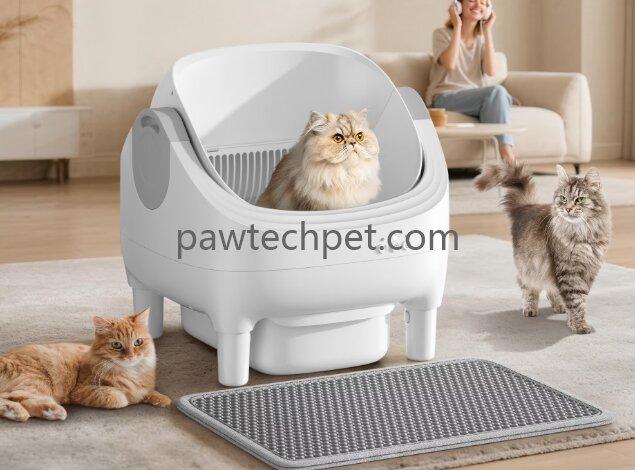
Reliable access to fresh drinking water is an essential part of everyday pet care. Pet owners often look for products that simplify refilling, encourage convenient access to water, and make routine cleaning manageable. An Intelligent Pet Water Dispenser can combine a water reservoir with a pump, circulation system, and optional filtration components to support daily hydration. Depending on the model, additional features may include water-level indicators, quiet operation, adjustable flow, or electronic controls. The most suitable design depends on the pet's habits, household environment, and the owner's maintenance preferences.
Water capacity is one of the first specifications wholesale buyers should consider. Compact dispensers may suit smaller pets or limited living spaces, while larger reservoirs can reduce the frequency of refilling in multi-pet households. Capacity should be evaluated alongside the unit's footprint, reservoir shape, and ease of carrying. A large tank is not automatically the best choice if it is difficult to empty or clean. Buyers should request the actual capacity and overall dimensions for each model rather than relying on general product-category descriptions.
The circulation system influences how water moves through the dispenser. Many designs use a small electric pump to move water through a spout, tray, or fountain structure. Some products include filtration stages intended to capture debris or reduce certain unwanted particles, depending on the filter material. Filter performance varies by design, so buyers should confirm which replacement filters are available and how often they are expected to be changed. A dispenser should also be easy to disassemble for cleaning, because filters and circulating water do not eliminate the need for regular maintenance.
Noise and operating stability can affect whether a product is suitable for indoor use. A properly matched pump and stable base can help reduce unwanted vibration during operation. Water level is also important because some pumps require a minimum amount of water to operate correctly. Product instructions should explain how to fill the reservoir, position the pump, clean the components, and recognize when maintenance is needed. For distributors, these practical details can reduce customer confusion and improve product support after purchase.
Material selection contributes to durability and ease of care. Common designs may use ABS or PP plastic, stainless steel, or combinations of different materials. Each option has its own characteristics in terms of weight, appearance, cleaning, and manufacturing cost. Buyers should confirm the exact materials used in the reservoir, drinking surface, pump housing, and other water-contact components. A removable top, accessible filter compartment, and smooth internal surfaces can make cleaning more straightforward. Material claims should be supported by supplier documentation rather than assumed from product appearance.
Power requirements are another key purchasing consideration. Some models operate through a low-voltage adapter, while others may offer rechargeable or battery-supported configurations. Buyers should confirm the input voltage, plug type, cable arrangement, and any regional electrical requirements before importing products. If a model includes electronic sensors or connectivity, its additional operating requirements should also be reviewed. Product documentation should clearly distinguish between standard functions and optional features available only on particular versions.
For retail and wholesale businesses, a consistent quality-control process is important. Samples can be used to evaluate water flow, pump noise, reservoir stability, assembly, leakage resistance, and ease of cleaning under normal operating conditions. Packaging should protect the pump, electrical accessories, and molded parts during transport. Buyers may also wish to confirm replacement-part availability, warranty terms, production lead times, and the supplier's process for handling defective units. These checks help businesses assess the total ownership experience rather than focusing only on the initial purchase price.
Private-label buyers may be able to customize selected aspects of the product. Depending on the supplier, options can include housing color, logo placement, retail packaging, instruction manuals, and selected configurations. Customization should be planned around the intended market and the product's technical limitations. Buyers should request samples or artwork confirmation before mass production and verify that the final packaging matches the approved specification. Minimum order quantities and lead times should be clarified early to avoid delays.
Selecting an Intelligent Pet Water Dispenser is ultimately a balance of usability, dependable operation, cleaning convenience, and suitable capacity. Retailers can serve a broader customer base by offering models with different sizes, materials, and operating features. For distributors, comparing detailed specifications and confirming filter availability, power requirements, and quality-control procedures can support more confident sourcing decisions. Explore additional pet care product categories at https://www.pawtechpet.com/product/pet-clothing/

 English
 Arabic
 French
 Portuguese
 Deutsch
 Turkish
 Dutch
 Italiano
 Russian
 Romaian
 Portuguese (Brazil)
 Greek