


How to Choose a Realistic Prosthetic: A Practical Guide for Amputees and Their Families
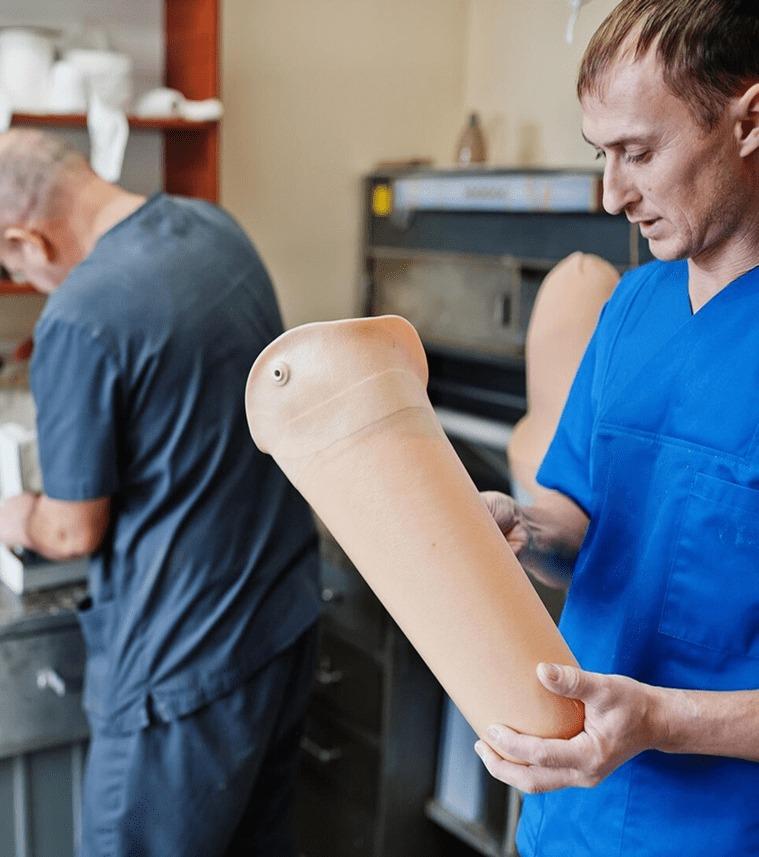
Losing a limb or part of a limb is a life-changing event, and one of the first questions people ask afterward is how to get back to everyday life with confidence. Today, Silicone Prosthetics UAE options have made it possible to replace a missing finger, hand, foot or limb cover with a result that looks and feels remarkably natural. This guide explains how to choose the right prosthetic, what to expect from the process, and how to care for it over time.
Why Appearance Matters as Much as Function
A prosthetic is not only a tool. For many people, it is also part of how they present themselves to the world. A device that blends with your natural skin tone, shows fine details like veins and fingernails, and moves comfortably can help you feel more at ease in social and professional settings. Functional prosthetics restore movement, while cosmetic silicone prosthetics restore a sense of wholeness. Many users choose a combination of both depending on their needs.
Types of Prosthetics Available
Prosthetics come in several categories, and understanding the difference helps you ask better questions during consultations.
- Cosmetic prosthetics focus on a lifelike look and are often used for fingers, hands, toes and partial feet.
- Functional prosthetics are designed mainly for mobility and tasks such as walking, gripping or lifting.
- Hybrid solutions combine a mechanical structure with a realistic silicone covering for both movement and appearance.
The right choice depends on your level of amputation, your daily routine, your work and your personal comfort.
What Makes Silicone a Preferred Material
Medical-grade silicone is soft, flexible and skin-friendly, which is why it is widely used in cosmetic prosthetics. It can be pigmented to match your exact skin tone, and artists can add freckles, hair, skin texture and other fine details by hand. Silicone is also lightweight and generally comfortable against the skin. With proper care, a well-made silicone prosthetic can stay in good condition for a long time, though its lifespan varies from person to person.
The Process: From Consultation to Final Fitting
Most custom prosthetic journeys follow a similar path:
- Initial consultation: A specialist reviews your medical history, discusses your goals and examines the area to be fitted.
- Measurements and impressions: Accurate molds or scans are taken to ensure a precise fit.
- Design and color matching: Skin tone, texture and detail are matched to your natural skin, often in natural light.
- Fabrication: The prosthetic is carefully crafted and finished by hand.
- Fitting and adjustments: The final piece is tested, and small changes are made for comfort and appearance.
Patience is important here. A good result usually takes more than one visit.
Key Factors to Consider Before You Decide
Before choosing a provider or product, think about these points:
- Experience of the team: Ask to see before-and-after examples of previous work.
- Customization: Your prosthetic should be made for you, not selected from a standard size.
- Comfort and fit: A device that rubs or feels loose will not be worn for long.
- After-care support: Look for a provider who offers follow-up visits, repairs and replacements.
- Budget and expectations: Discuss pricing, durability and maintenance openly from the start.
Daily Care and Maintenance Tips
Looking after your prosthetic keeps it comfortable and attractive for longer. Clean it gently with mild soap and water, and dry it thoroughly. Avoid sharp objects, harsh chemicals and prolonged exposure to extreme heat. Store it in a safe place when not in use, and book regular check-ups so small issues can be fixed before they become bigger problems.
Conclusion
Choosing a prosthetic is a personal decision, and the best result comes from clear communication, realistic expectations and a skilled professional. If realism is your top priority, a HD Silicone Prosthetic in Dubai can offer exceptional detail in color matching, skin texture and finish, helping the prosthetic blend naturally with your body.
Take your time, ask questions, and choose a provider who listens to your needs. With the right support, a prosthetic can help you move through daily life with comfort, dignity and renewed confidence.
Frequently Asked Questions (FAQs)
1. How long does it take to get a custom silicone prosthetic?
The timeline depends on the complexity of the piece, but most custom prosthetics take a few weeks from the first consultation to the final fitting.
2. Are silicone prosthetics comfortable to wear every day?
Yes, for most people. Silicone is soft and lightweight, and a proper fit is the key to all-day comfort.
3. How long does a silicone prosthetic usually last?
With good care, many last several years. Lifespan depends on daily use, care habits and the type of prosthetic.
4. Can a silicone prosthetic match my exact skin tone?
Yes. Skilled technicians blend pigments to match your natural skin color, and they can add details like freckles and fine lines.
5. Is a cosmetic prosthetic also functional?
Cosmetic prosthetics mainly restore appearance. Some designs offer limited movement, and hybrid options combine both look and function.
6. How do I clean my prosthetic?
Use mild soap and lukewarm water, rinse well and let it air dry. Avoid harsh chemicals and abrasive materials.

 English
 Arabic
 French
 Spanish
 Portuguese
 Turkish
 Dutch
 Italiano
 Russian
 Romaian
 Portuguese (Brazil)
 Greek