


How Can Professional Drainage Solutions in Alpharetta, GA Protect Your Landscape?
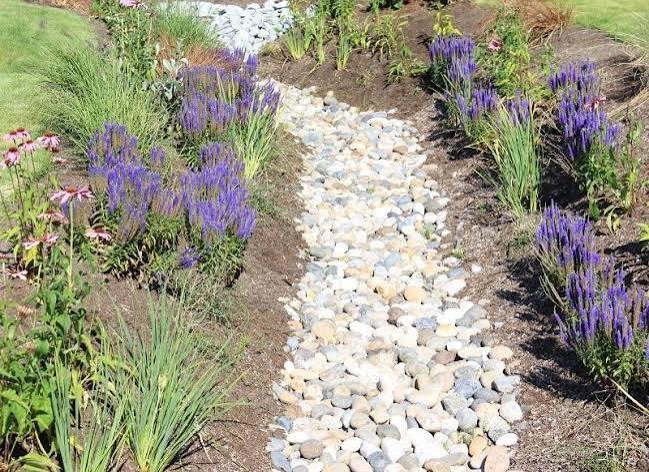
Professional Drainage Solutions in Alpharetta, GA can help property owners manage excess rainwater, reduce standing water, protect landscaping, and improve the usability of outdoor spaces. Poor drainage can leave lawns muddy, wash away mulch, damage plants, and direct unwanted water toward building foundations. A properly planned drainage system addresses the underlying cause instead of simply moving water from one problem area to another.
For homeowners and commercial property owners, effective landscape drainage starts with understanding how water moves across the land. Soil conditions, yard slopes, roof runoff, and existing drainage systems all influence the best approach. By following a systematic process, property owners can make informed decisions about yard drainage solutions, French drain installation, grading improvements, and stormwater management.
What Are Professional Drainage Solutions?
Professional drainage solutions involve identifying water accumulation problems and designing suitable methods to collect, redirect, or manage excess water. The goal is to encourage appropriate water flow while protecting structures, plants, lawns, walkways, and other landscape features.
In Alpharetta, heavy rainfall can expose weaknesses in a property's drainage layout. Low spots may collect water, compacted soil can slow infiltration, and poorly directed downspouts may concentrate runoff near foundations.
Depending on the property, landscape drainage services may include French drains, catch basins, underground drainage pipes, surface channels, downspout extensions, and yard regrading. Each system serves a different purpose, so the correct solution should be based on a site assessment rather than a one-size-fits-all recommendation.
Why Is Proper Yard Drainage Important in Alpharetta, GA?
A drainage system does more than remove puddles. It helps maintain a functional outdoor environment and reduces the risks associated with uncontrolled water movement.
1. Helps Protect Foundations
Water collecting near a building can increase moisture exposure around the foundation. Persistent moisture may contribute to basement or crawl-space water problems and can worsen existing structural concerns.
Proper grading and roof runoff management can help direct water away from the building. If water is already entering a basement or crawl space, the cause should be investigated before choosing a drainage solution.
2. Reduces Soil Erosion
Fast-moving runoff can remove topsoil, displace mulch, expose plant roots, and create channels across sloped lawns. These problems can make landscape maintenance more difficult.
Drainage channels, suitable ground cover, vegetation, and carefully planned grading can help slow or redirect runoff and limit soil loss.
3. Supports Healthier Lawn and Plant Growth
Grass and ornamental plants need water, but prolonged saturation can restrict oxygen around roots. This may lead to yellowing grass, weak growth, root damage, or recurring bare patches.
Effective yard drainage helps prevent excessive water from remaining in areas where the soil drains poorly.
4. Improves Outdoor Usability
Standing water can make gardens, patios, walkways, and play areas muddy or inconvenient to use. Addressing drainage issues can help restore these spaces and reduce the amount of time spent dealing with recurring puddles.
5. Helps Preserve Landscape Investments
New sod, shrubs, trees, garden beds, and hardscape features all depend on suitable site conditions. Solving drainage problems before installing new landscaping can reduce the risk of water-related damage and unnecessary rework.
Common Drainage Problems Property Owners Should Recognize
Before selecting a system, look for patterns that indicate how water behaves during and after rainfall.
- Standing water: Puddles remain in low areas long after surrounding ground has dried.
- Repeated muddy patches: Specific sections of the lawn stay soft or saturated.
- Soil displacement: Mulch, gravel, or topsoil washes away during storms.
- Water near foundations: Roof runoff or surface water collects beside exterior walls.
- Driveway and patio puddles: Hard surfaces collect water because of their slope or drainage layout.
- Downspout overflow: Gutters or downspouts release water too close to the house or lawn.
- Recurring landscape damage: Plants decline or grass thins in the same wet areas.
Observing these signs after several rain events can help identify whether the issue comes from surface runoff, groundwater, roof drainage, or a combination of factors.
Types of Professional Drainage Solutions in Alpharetta
Different drainage methods address different problems. A well-designed project may use one solution or combine several methods.
|
Drainage Solution |
How It Works |
Best Suited For |
|
French drain |
Collects subsurface water through a gravel-filled trench and perforated pipe |
Persistently wet ground and certain subsurface drainage problems |
|
Catch basin |
Collects surface runoff through a grated inlet and directs it into a drainage pipe |
Low spots, lawn puddles, and runoff collection |
|
Yard regrading |
Adjusts ground contours to encourage appropriate water movement |
Uneven areas and slopes directing water toward buildings |
|
Downspout drainage |
Carries roof runoff away from the foundation through extensions or underground piping |
Water discharged too close to the house |
|
Channel drain |
Collects surface water through a narrow grated channel |
Driveways, patios, and other paved surfaces |
|
Dry creek bed |
Uses a designed, rock-lined channel to guide runoff |
Suitable landscape areas with concentrated surface flow |
|
Erosion control planting |
Uses vegetation and ground cover to help stabilize soil |
Slopes and areas vulnerable to soil displacement |
The right choice depends on water volume, soil permeability, available space, property elevation, and the location of a safe discharge point.
Step-by-Step Process for Effective Drainage Installation
A structured installation process helps ensure the proposed drainage system addresses the source of the problem.
Step 1: Inspect the Property
Begin by identifying where water collects, where it enters the property, and which direction it flows. Examine low spots, sloping ground, foundation edges, downspouts, paved areas, and existing drains.
It is helpful to photograph problem areas during or shortly after rainfall. These observations can reveal patterns that may not be obvious during dry weather.
Step 2: Identify the Root Cause
Standing water does not always mean a French drain is needed. The issue may result from compacted soil, improper grading, a blocked inlet, concentrated roof runoff, or groundwater.
Understanding the source prevents unnecessary installation and helps determine whether surface drainage, subsurface drainage, or grading improvements are appropriate.
Step 3: Evaluate Soil and Elevation
Soil composition affects how quickly water infiltrates the ground. Compacted or clay-rich soil may drain more slowly than soil with a more favorable structure.
Elevation is equally important. A professional assessment should establish how water moves across the site and whether gravity can carry it to an appropriate outlet.
Drainage work should not redirect water toward neighboring properties or create a new erosion problem. Local requirements and utility locations should also be considered before excavation.
Step 4: Choose the Appropriate Drainage System
Select the system according to the problem identified during inspection.
For example, a low lawn area collecting surface runoff may benefit from a catch basin, while persistent subsurface moisture may call for a properly designed French drain. Water discharged directly beside the house may be better addressed by extending downspouts and correcting nearby grading.
Complex sites may require a combination of methods. The design should account for the amount of water, pipe capacity, slope, maintenance access, and final discharge location.
Step 5: Prepare the Installation Area
Before digging, identify underground utilities and confirm the proposed route. Mark the locations of pipes, inlets, outlets, and any areas that need grading.
Remove obstacles carefully and protect nearby plants, walkways, and existing landscape features where practical.
For systems involving excavation, the trench depth, width, and slope should be determined by the drainage design rather than guessed in advance.
Step 6: Install the Drainage Components
Installation depends on the selected system.
A French drain typically uses a properly prepared trench, suitable aggregate, a perforated pipe, and appropriate filtration materials where needed. A surface drainage system may use catch basins connected to solid drainage pipe.
The system must be configured to carry collected water toward a suitable outlet. Poor pipe slope, unsuitable materials, or inadequate capacity can limit performance even when the installation appears complete.
Step 7: Test Water Flow
After installation, inspect the inlets, pipes, and outlet. Confirm that collected water can move through the system without obvious blockages or unintended ponding.
Where practical, test the system with controlled water flow and inspect the surrounding ground. A final walkthrough should identify any areas needing adjustment.
Step 8: Restore the Landscape
Finish the project by replacing appropriate soil, repairing disturbed turf, restoring mulch, and cleaning the work area.
If new sod or plants are installed, maintain them according to their specific watering requirements. Avoid directing concentrated runoff into newly restored soil before vegetation has established.
How Can You Maintain a Drainage System?
Even a properly designed drainage system needs periodic inspection. Leaves, sediment, roots, and other debris can restrict water movement over time.
Use the following maintenance checklist:
- Inspect visible grates and catch basins after heavy rainfall.
- Remove leaves and debris from accessible inlets.
- Check downspouts for clogs, leaks, or disconnected sections.
- Look for new puddles, erosion channels, or unusually wet areas.
- Inspect accessible outlets to confirm water can discharge freely.
- Arrange professional inspection if the system repeatedly backs up or drainage problems return.
Avoid opening or entering underground drainage structures that could pose a safety risk. Seek professional assistance when blockages are inaccessible or the system's design is unclear.
Professional Drainage Solutions vs. Temporary DIY Fixes
Understanding the difference between a lasting drainage improvement and a temporary response can help property owners choose more effectively.
|
Factor |
Professional Drainage Solution |
Temporary DIY Fix |
|
Problem diagnosis |
Evaluates water flow, grading, and soil conditions |
Often focuses on visible puddles |
|
System design |
Matches the drainage method to the site |
May rely on a generic approach |
|
Water management |
Plans collection and appropriate discharge |
May shift water without resolving the cause |
|
Long-term performance |
Considers capacity, slope, and maintenance |
May need repeated adjustments |
|
Landscape integration |
Can coordinate drainage with lawns and hardscapes |
May leave uneven ground or exposed materials |
|
Best application |
Recurring, complex, or property-sensitive drainage issues |
Minor debris removal or simple, safe maintenance |
DIY maintenance is useful for clearing accessible debris and monitoring water flow. However, persistent foundation moisture, significant erosion, repeated flooding, or complex slopes may require professional evaluation.
How to Choose a Drainage Contractor in Alpharetta
Selecting a contractor involves more than comparing estimates. Look for a provider who explains the cause of the problem and describes why the recommended system is suitable.
Ask these questions before approving a project:
· Will you inspect the property and identify the underlying cause?
· Which drainage method do you recommend, and why?
· Where will the collected water discharge?
· Are excavation, materials, grading, and landscape restoration included?
· Will underground utilities and relevant local requirements be addressed?
· What maintenance will the system need?
· Will the estimate clearly describe the work and applicable warranty terms?
A detailed written proposal makes it easier to compare options and understand the scope of work. Be cautious of recommendations that promise to eliminate every drainage issue without first assessing the property.
Homeowners looking for Professional Drainage Solutions in Alpharetta, GA should choose a contractor who evaluates the property's grading, soil conditions, and water flow before recommending a solution. Proper planning can help address recurring water problems and protect the landscape and surrounding areas.
What Makes a Well-Planned Drainage Project Different?
A successful drainage project begins with the actual movement of water, not simply the appearance of a wet lawn. The design should address the source, provide an appropriate route for runoff, and consider how the solution affects the rest of the property.
For example, installing a catch basin may collect water from a low spot, but it will not work effectively if the surrounding ground directs runoff elsewhere or the outlet cannot handle the flow. Similarly, extending a downspout may help protect a foundation, but the discharge point must be appropriate for the site's slope and drainage conditions.
Another important difference is landscape integration. Drainage pipes and surface channels should work with existing lawns, planting beds, walkways, and patios whenever possible. Coordinating drainage improvements with landscaping can reduce unnecessary disruption and help maintain the property's appearance.
Frequently Asked Questions
1. What Are the Best Drainage Solutions for a Yard in Alpharetta, GA?
The best option depends on the source of the water. Catch basins can collect surface runoff, French drains can address certain subsurface water problems, and grading can correct slopes that direct water toward buildings. Some properties need a combination of solutions.
2. How Do I Know if My Yard Needs a French Drain?
A French drain may be appropriate when subsurface water contributes to persistently wet areas or when a suitable drainage design can intercept and redirect groundwater. However, surface puddles caused by poor grading may require a different solution. A site assessment helps determine the cause.
3. Can Poor Drainage Damage My Home's Foundation?
Persistent water accumulation near a foundation can increase moisture exposure and contribute to basement or crawl-space problems. Drainage improvements may help manage water around the building, but existing cracks or structural concerns should be evaluated by a qualified professional.
4. How Long Does Drainage Installation Take?
The timeline depends on the project's size, soil conditions, excavation requirements, system complexity, and weather. A simple downspout improvement may take less time than a drainage project involving extensive grading, underground pipes, or landscape restoration.
5. Will Drainage Installation Damage My Lawn?
Excavation may disturb sections of grass, soil, or planting beds. The extent depends on the installation method and route. A well-planned project should explain where excavation will occur and how the affected landscape will be restored.
6. How Can I Prevent Standing Water After Heavy Rain?
Start by inspecting gutters, downspouts, soil conditions, and the slope of the affected area. Remove accessible debris and identify where runoff originates. If water continues to accumulate, a drainage assessment can help determine whether grading or a drainage system is needed.
7. Are Drainage Solutions Useful for Commercial Properties?
Yes. Commercial properties may benefit from drainage systems that manage runoff around buildings, parking areas, walkways, and landscaped spaces. The design should account for the site's size, paved surfaces, expected runoff, and applicable stormwater requirements.
8. How Often Should a Drainage System Be Inspected?
Inspect visible components periodically, especially after heavy rainfall and during seasons when leaves and debris accumulate. The ideal maintenance frequency depends on the system type, surrounding vegetation, and local conditions. Recurring blockages or pooling indicate that further investigation may be necessary.
Conclusion
Professional Drainage Solutions in Alpharetta, GA help property owners address standing water, soil erosion, muddy lawns, and runoff concerns through carefully planned water management. From French drain installation and catch basins to downspout drainage and grading improvements, each method serves a specific purpose.
The most effective approach begins with inspecting the property, identifying the root cause, choosing an appropriate system, and confirming that collected water has a suitable discharge route. Regular maintenance and careful landscape restoration also help preserve the system's performance.
Whether you are protecting a residential yard or improving a commercial landscape, addressing drainage problems early can help maintain a safer, more functional outdoor environment. A site-specific plan provides a practical foundation for healthier landscaping and more reliable rainwater management over time.
Article Written By: Rank Business Listings

 English
 Arabic
 French
 Spanish
 Portuguese
 Deutsch
 Dutch
 Italiano
 Russian
 Romaian
 Portuguese (Brazil)
 Greek