


Custom Eyewear Development for Growing Brands
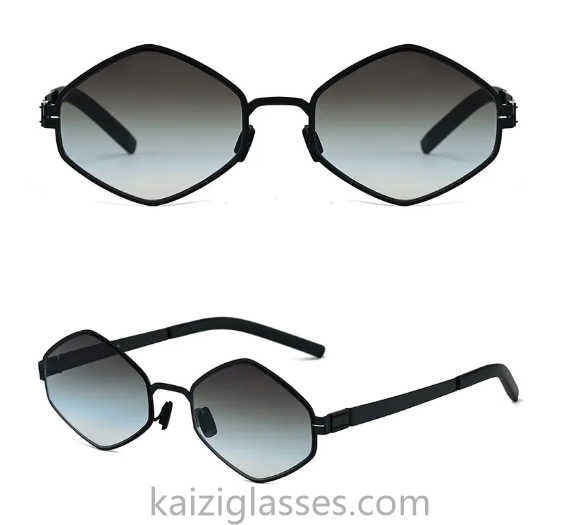
Launching an eyewear collection involves coordinating design, materials, branding, production, and packaging. For businesses that want to develop distinctive products, OEM/ODM Glasses Services can provide a structured approach to turning an initial idea into a market-ready collection. These services may support optical brands, fashion retailers, wholesalers, and distributors that need customized products or assistance selecting and adapting existing designs.
OEM and ODM describe different approaches to manufacturing cooperation. Original equipment manufacturing generally involves producing goods according to specifications provided or approved by the customer. A brand may supply its design concept, material preferences, colors, dimensions, and logo artwork, while the manufacturer handles the agreed production process. This approach can suit businesses with established product requirements and a clear visual identity.
Original design manufacturing generally involves a supplier offering existing designs or supporting product development from an initial concept. Buyers may select a frame from an available collection and request changes based on the supplier's capabilities. This can help businesses explore new products without managing every design and technical detail independently. Before starting a project, both parties should clarify their responsibilities for design development, approvals, tooling, and production.
The development process typically begins with understanding the intended customer and retail positioning. A professional optical collection may focus on versatile shapes and comfortable fit, while a fashion-oriented range may emphasize distinctive silhouettes, colors, and finishes. Reference images, target price ranges, preferred materials, and examples of existing products can help establish a clear brief. Defining the brief early makes it easier to assess manufacturing feasibility and avoid unnecessary revisions.
Material selection is an important part of the process. Depending on the product, possible options include acetate, injection-molded plastics, stainless steel, and other suitable materials. Each offers different visual characteristics, processing requirements, and cost implications. Buyers should assess samples and confirm exact material details before finalizing specifications. Lens compatibility, hinge construction, temple shape, and surface finishing should also be considered when evaluating a proposed design.
For businesses investing in OEM/ODM Glasses Services, customization can help establish a consistent brand identity. Available options may include frame color adjustments, logo application, temple details, selected lens finishes, and customized packaging. The actual range depends on the model, manufacturing process, and order quantity. Buyers should confirm which features are feasible, whether tooling or setup charges apply, and what minimum quantities are required for each customization option.
Sampling provides an opportunity to review the product before mass production. A physical sample allows buyers to evaluate fit, frame proportions, material appearance, color accuracy, hinge function, and surface quality. If adjustments are necessary, feedback should clearly identify the required changes. Once a sample is approved, it can be used alongside written specifications as a reference for production and inspection. This helps reduce differences between the intended design and the final order.
Quality control should be planned before manufacturing begins. Buyers can agree on inspection points covering dimensions, frame symmetry, assembly, finishing, and packaging. For sunglasses, lens performance and ultraviolet protection claims should be verified through appropriate specifications and documentation. Requirements may vary between destination markets, so brands and importers should identify applicable safety, labeling, and testing obligations before distribution.
Packaging connects product development with the customer experience. Options may include protective pouches, cleaning cloths, retail boxes, branded cases, and shipping cartons. The right arrangement depends on whether the products will be sold through optical shops, fashion boutiques, online marketplaces, or wholesale channels. Artwork, barcodes, labels, and packing quantities should be confirmed early to avoid delays during order preparation.
Commercial planning is equally important. Buyers should request a quotation that clearly identifies the product, approved specifications, order quantity, packaging, sample charges, and additional customization costs. Lead times can vary with material availability, design complexity, approval schedules, and production volume. Realistic scheduling allows businesses to coordinate purchasing, marketing, and inventory planning without relying on unconfirmed delivery dates.
Long-term cooperation depends on communication and consistency. Maintaining written records of specifications, sample approvals, design revisions, inspection criteria, and shipping arrangements helps both parties manage expectations. Buyers should also discuss repeat-order procedures and how approved designs can be reproduced across future batches.
For eyewear brands and distributors planning customized collections, a clear development process helps balance creativity with manufacturing practicality. Businesses can review available models, evaluate samples, and confirm customization requirements before committing to production. To explore suitable eyewear options, visit KAIZI at https://www.kaiziglasses.com/product/ and review the collections available for potential branding and manufacturing projects.

 English
 Arabic
 French
 Spanish
 Portuguese
 Turkish
 Dutch
 Italiano
 Russian
 Romaian
 Portuguese (Brazil)
 Greek