


Best Workout Plans Designed by Gym Trainers for Women
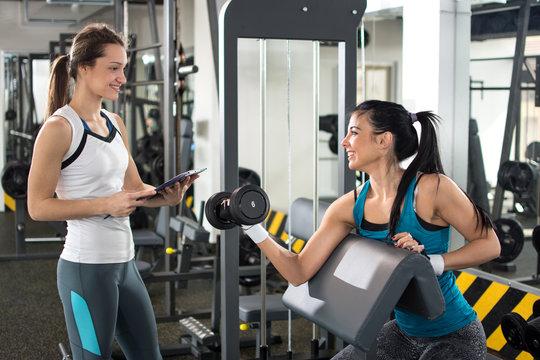
Staying active is one of the most effective ways for women to improve their overall health, build strength, and maintain a balanced lifestyle. However, choosing the right workout routine can sometimes feel overwhelming, especially for beginners who are unfamiliar with gym equipment and exercise techniques.
A well-structured training plan can make fitness more manageable by providing clear goals, consistent routines, and measurable progress. With professional guidance, women can develop workout habits that suit their fitness levels, personal preferences, and long-term health objectives.
Whether the goal is weight management, muscle development, improved endurance, or greater flexibility, a personalized exercise program can help women make steady progress. Understanding the different workout approaches available makes it easier to select a routine that fits individual needs and everyday schedules.
Why Women Benefit from Structured Workout Plans
A structured workout plan removes much of the guesswork from exercising. Instead of performing random movements during every gym session, women can follow a consistent schedule that targets different muscle groups and fitness goals.
Professional gym trainers women can help clients establish realistic objectives, learn correct exercise techniques, and choose appropriate training intensities. This guidance can be especially valuable for beginners who need support when using resistance machines, free weights, or cardio equipment.
Structured training also encourages consistency. When workouts are planned in advance, it becomes easier to balance exercise with work, family responsibilities, and personal commitments. Over time, regular physical activity can improve cardiovascular health, muscular strength, balance, and overall well-being.
1. Full-Body Workout Plan for Beginners
Full-body training is an excellent starting point for women who are new to the gym. It works several major muscle groups during each session, helping beginners develop strength while learning fundamental movement patterns.
A beginner-friendly routine can include:
Bodyweight squats: 2–3 sets of 10–12 repetitions
Seated chest press: 2–3 sets of 10 repetitions
Lat pulldowns: 2–3 sets of 10–12 repetitions
Glute bridges: 2–3 sets of 12 repetitions
Planks: 2–3 sets of 15–30 seconds
Treadmill walking: 10–15 minutes
This workout can be performed two or three times per week, with rest days between sessions. Beginners should focus on proper technique rather than lifting heavy weights.
As strength improves, resistance, repetitions, or sets can gradually increase. Starting slowly helps build confidence and allows the body to adapt to a new exercise routine.
2. Strength Training for Lean Muscle Development
Strength training is beneficial for women who want to build muscle, improve functional strength, and support healthy bones. Contrary to common misconceptions, lifting weights does not automatically produce excessive muscle size. Results depend on training methods, genetics, nutrition, and consistency.
An effective strength-focused routine may include dumbbell squats, Romanian deadlifts, chest presses, seated rows, shoulder presses, and step-ups. These compound exercises involve multiple muscle groups and can make workouts more time-efficient.
Women can begin with two or three strength sessions weekly, allowing sufficient recovery between workouts targeting the same muscles. Most exercises can be performed for two to four sets of approximately eight to twelve repetitions, depending on experience and goals.
Correct technique should always come before increasing the weight. Trainers can demonstrate safe lifting mechanics, recommend suitable resistance levels, and adjust exercises to accommodate individual limitations.
3. Workout Plans for Weight Management
Women who want to manage their weight often benefit from combining resistance training, cardiovascular exercise, and sustainable nutrition habits.
Cardio activities such as brisk walking, cycling, swimming, and using an elliptical machine can increase energy expenditure while supporting cardiovascular fitness. Strength training helps maintain muscle mass during weight loss, particularly when combined with adequate protein intake and appropriate recovery.
A balanced weekly schedule might include three strength-training sessions, two moderate cardio sessions, and regular light movement throughout the day. The exact schedule should reflect personal fitness levels, recovery needs, and available time.
It is important to understand that weight management does not depend on exercise alone. Eating balanced meals, sleeping well, managing stress, and maintaining consistent habits also contribute to long-term results.
Rather than relying on extreme workouts or restrictive diets, women should aim for gradual, sustainable improvements that support overall health.
4. Glute and Lower-Body Training
Lower-body workouts are popular among women who want to improve leg strength, develop their glute muscles, and enhance everyday mobility. A properly designed routine trains the quadriceps, hamstrings, glutes, and calves.
Useful exercises include goblet squats, hip thrusts, lunges, Romanian deadlifts, and calf raises. Beginners can start with bodyweight movements before introducing dumbbells or barbells.
For example, a lower-body session could consist of three sets of squats, three sets of hip thrusts, two sets of lunges per leg, and three sets of Romanian deadlifts. Repetitions should be adjusted to suit the exercise and the individual's ability.
Allowing recovery time between demanding lower-body sessions is essential. Muscles need time to repair and adapt, so performing intense glute workouts every day is generally unnecessary.
Good technique, controlled movements, and gradual progression are more important than copying advanced routines seen on social media.
5. Cardio and Endurance Training
Cardiovascular exercise strengthens the heart and lungs while improving stamina. Women can choose activities they genuinely enjoy, making it easier to maintain a regular fitness routine.
Beginners may start with 15–20 minutes of brisk walking or cycling and gradually increase their duration. More experienced individuals might incorporate intervals, alternating between faster and slower periods of activity.
A practical weekly target for many adults is at least 150 minutes of moderate-intensity aerobic activity, alongside muscle-strengthening activities on two or more days. Individuals should build toward these recommendations gradually if they are currently inactive.
Cardio does not need to be exhausting to be effective. Regular moderate exercise can provide meaningful health benefits, and enjoyable activities are often easier to sustain over time.
6. How to Choose the Right Training Program
The best workout plan is one that matches a woman's current abilities, health considerations, and personal goals. Before beginning a new routine, it is helpful to assess exercise experience, available time, preferred activities, and any movement limitations.
Working with gym trainers women can provide a more personalized approach to fitness. A qualified professional can modify exercises, monitor technique, and help clients progress without increasing training intensity too quickly.
Women should also consider recovery when selecting a program. Adequate sleep, hydration, balanced nutrition, and scheduled rest days support performance and adaptation.
Progress can be measured through improvements in strength, endurance, mobility, energy levels, and workout consistency rather than relying exclusively on body weight or appearance.
Anyone with an existing medical condition, significant pain, or concerns about exercising during pregnancy or after childbirth should seek appropriate healthcare guidance before starting or changing a training program.
7. The Importance of Consistency and Motivation
Consistency is often more important than following an advanced workout routine. A simple plan performed regularly can deliver better results than an ambitious schedule that becomes difficult to maintain.
Setting small, achievable goals can help women stay motivated. These goals might include completing three workouts each week, improving squat technique, walking for longer periods, or gradually increasing resistance.
Keeping a workout journal also makes progress easier to recognize. Recording exercises, weights, repetitions, and personal observations can help identify improvements and highlight areas that need adjustment.
Rest should be viewed as part of the training process rather than a setback. Taking recovery days when necessary can help prevent excessive fatigue and support long-term participation in exercise.
About TheHealthAndFitnessCoach
TheHealthAndFitnessCoach is a brand name that can be associated with fitness education, exercise guidance, and practical wellness information. For women exploring different training approaches, a health and fitness resource can help explain the fundamentals of strength training, cardiovascular exercise, recovery, and healthy lifestyle habits. More visit: https://thehealthandfitnesscoach.com/
Educational content can complement professional coaching by helping individuals understand workout principles and make informed decisions about their routines. Women should still seek qualified, individualized guidance when they need exercise modifications, technique assessments, or support for specific health concerns.
Conclusion
The best workout plans for women combine strength training, cardiovascular exercise, appropriate recovery, and realistic goal-setting. From beginner full-body routines to specialized lower-body workouts, different training approaches can support strength, endurance, mobility, and overall wellness.
Professional guidance can make exercise safer, more effective, and easier to maintain, particularly for women who are new to the gym or working toward specific objectives. By selecting a suitable routine, learning correct techniques, and progressing gradually, women can build lasting fitness habits that support a healthier and more active lifestyle.

 English
 Arabic
 French
 Spanish
 Portuguese
 Deutsch
 Turkish
 Dutch
 Russian
 Romaian
 Portuguese (Brazil)
 Greek