


Can Fractional CO2 Laser Treatment Reduce Sun Damage?
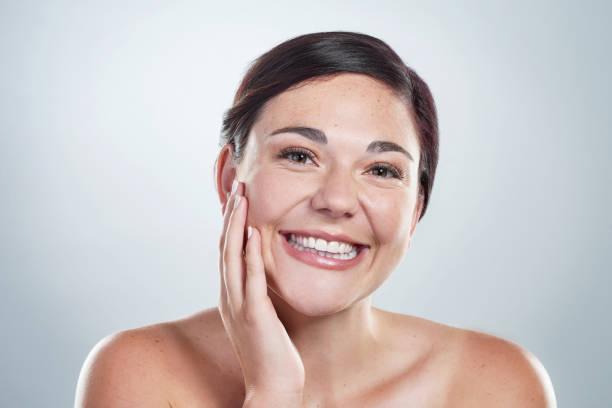
Sun exposure can gradually affect the skin’s texture, tone, and elasticity, leading to fine lines, rough patches, enlarged pores, and dark spots. These changes, often called photoaging, may become more noticeable over time. Fractional CO2 Laser Treatment in Riyadh is a resurfacing procedure that may help improve selected signs of sun damage by encouraging skin renewal and collagen remodeling. Its effectiveness depends on the type of damage, skin condition, and individual treatment needs.
For people concerned about visible signs of premature aging, Fractional CO2 Laser Treatment in Riyadh may offer improvements in skin texture, fine wrinkles, and certain pigmentation irregularities. The laser creates controlled microscopic treatment zones that activate the skin’s healing response. However, it cannot reverse every effect of sun exposure, and it may not be suitable for all skin types. A professional skin assessment helps determine whether this procedure is an appropriate option.
What Is Sun Damage?
Sun damage occurs when ultraviolet (UV) radiation affects the skin over time. Repeated exposure can contribute to premature aging, uneven pigmentation, collagen breakdown, and changes in skin texture.
Common signs of sun damage include:
-
Fine lines and wrinkles: UV exposure contributes to collagen and elastin damage, making lines more noticeable.
-
Dark spots: Areas of excess pigmentation may develop after prolonged sun exposure.
-
Uneven skin tone: The complexion may appear blotchy or discolored.
-
Rough texture: Sun-exposed skin can develop a coarse or uneven surface.
-
Loss of firmness: Changes in collagen and elastin may contribute to reduced skin elasticity.
Some sun-related changes are cosmetic, while persistent rough or scaly spots may require medical assessment because they can sometimes indicate precancerous damage.
How Does Fractional CO2 Laser Treatment Work?
Fractional CO2 laser is an ablative resurfacing treatment that delivers laser energy into tiny columns of skin. It treats only selected microscopic areas at a time, leaving surrounding skin intact to support the healing process.
The laser creates controlled thermal injury, prompting the skin to renew its surface and stimulate collagen remodeling. As healing progresses, some irregularities associated with sun damage may become less noticeable. Results develop gradually and vary according to the laser settings, skin characteristics, and severity of the concern. <Cite refs={["turn136019search0","turn136019search2"]}/>
What Signs of Sun Damage Can It Improve?
Fine Lines and Wrinkles
Fractional CO2 laser may soften certain fine lines caused by photoaging. Collagen remodeling can improve the appearance of skin around areas such as the cheeks, mouth, and eyes when treatment is appropriate. Deeper wrinkles may need additional or alternative treatments.
Uneven Skin Texture
Sun exposure can make the skin feel rough or appear less smooth. Resurfacing encourages renewal of the treated surface and may improve selected textural irregularities, helping the complexion look smoother.
Sun-Related Pigmentation
Some pigmentation changes associated with photoaging may improve after fractional laser resurfacing. However, the procedure does not remove every type of dark spot, and some pigment concerns may respond better to other treatments. A dermatologist should identify the cause of discoloration before recommending a procedure.
Mild Loss of Firmness
Collagen remodeling may provide modest improvement in the appearance of skin firmness. However, fractional CO2 laser is not a substitute for surgery and cannot remove significant excess skin. <Cite refs={["turn136019search1","turn136019search7","turn136019search9"]}/>
What Are the Benefits of Fractional CO2 Laser?
One potential benefit is the ability to address several visible concerns in a single treatment plan. Depending on the patient, these may include rough texture, fine lines, selected acne scars, and some signs of sun damage.
The treatment also stimulates collagen remodeling beneath the skin’s surface, so improvement may continue for weeks or months after the procedure. Research has reported improvements in photoaging after fractional CO2 laser treatment, although results from individual studies cannot guarantee the same outcome for every patient.
Treatment intensity is important. More aggressive resurfacing may provide greater improvement for certain concerns but can also increase recovery time and the risk of complications.
Who Is a Suitable Candidate?
A suitable candidate is someone with sun-related textural changes, selected fine lines, or other concerns that may respond to resurfacing. A qualified dermatologist will evaluate skin tone, medical history, current skincare products, previous procedures, and expectations before recommending treatment.
People with darker skin tones or a history of post-inflammatory hyperpigmentation need particular care because laser-related inflammation can trigger dark marks or uneven pigmentation. Active skin infections, recent tanning, and some inflammatory skin conditions may also affect treatment suitability. Individualized treatment settings and appropriate preparation are important for reducing risks. <Cite refs={["turn136019search2","turn136019search4"]}/>
What Should You Expect During Treatment?
Treatment generally begins with a consultation and skin assessment. The clinician will explain the expected benefits, possible risks, preparation steps, and recovery requirements. Depending on the treatment area and plan, a topical anesthetic may be used to reduce discomfort.
During the procedure, the practitioner moves the laser over the selected area. You may experience warmth, tingling, or a stinging sensation. The length of the session depends on the size of the treatment area and the intensity of resurfacing.
Recovery and Aftercare
Following treatment, redness, swelling, sensitivity, peeling, and temporary crusting may occur. Recovery varies depending on treatment intensity and individual healing. Some people recover within several days, while others need longer.
Follow your clinician’s instructions for gentle cleansing and moisturizing. Avoid picking, scrubbing, or using irritating skincare products until your skin has healed sufficiently. Protect the treated skin from sunlight, and use broad-spectrum sunscreen as advised by your practitioner. Sun exposure during recovery may increase the risk of pigmentation changes.
Seek medical advice if you experience increasing pain, spreading redness, pus, fever, or other signs of infection.
How Can You Prevent Further Sun Damage?
Laser treatment can improve selected visible signs of sun damage, but it does not make skin immune to future UV exposure. Daily sun protection is essential for maintaining results and reducing additional damage.
Use broad-spectrum sunscreen with SPF 30 or higher, reapply as directed, seek shade, and wear protective clothing or a wide-brimmed hat outdoors. Avoid tanning beds and unnecessary intense sun exposure. A dermatologist can also recommend skincare products or other treatments based on your skin’s needs.
If you notice a new, changing, bleeding, or persistent rough skin lesion, arrange a medical assessment instead of assuming it is simply a cosmetic concern.
Book a Consultation at Royal Clinic Saudia
If you want to address visible signs of sun damage, a professional skin assessment can help identify suitable treatment options. Royal Clinic Saudia can guide you through the potential benefits, limitations, and aftercare requirements of fractional CO2 laser resurfacing. Book a consultation to discuss a treatment plan tailored to your skin concerns.
FAQs:
Can fractional CO2 laser remove all sun damage?
No. It may improve selected signs, including fine lines, rough texture, and some pigmentation changes, but it cannot reverse every effect of UV exposure or treat all sun-related skin conditions.
How many fractional CO2 laser sessions are needed for sun damage?
The number of sessions depends on the severity of the damage, skin characteristics, treatment intensity, and desired results. Your dermatologist can recommend a suitable plan after examining your skin.
Can fractional CO2 laser cause dark spots?
Yes. Post-inflammatory hyperpigmentation can occur after treatment, especially in people prone to pigmentation changes. Careful patient selection and sun protection help reduce risk but cannot eliminate it.
How can I maintain results after treatment?
Follow your clinician’s aftercare instructions, use broad-spectrum sunscreen daily, limit excessive sun exposure, and maintain a suitable skincare routine. Regular sun protection helps reduce further damage.

 Arabic
 French
 Spanish
 Portuguese
 Deutsch
 Turkish
 Dutch
 Italiano
 Russian
 Romaian
 Portuguese (Brazil)
 Greek