


Best Pilot Training in Mumbai: A Complete Guide for Aspiring Pilots
Introduction
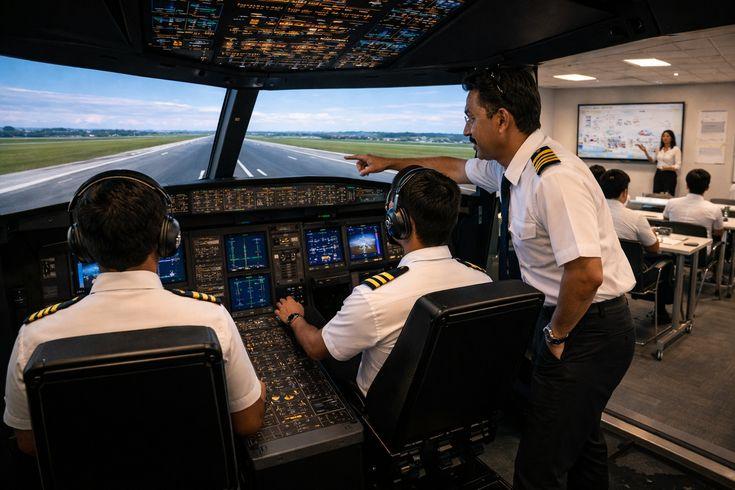
Have you ever looked up at an aeroplane flying across the sky and imagined yourself sitting in the cockpit, guiding the aircraft through the clouds? For many students, becoming a pilot is more than just a career choice. It is a lifelong dream filled with excitement, responsibility, and the opportunity to explore the world from a different perspective.
However, turning this dream into reality requires proper planning, professional guidance, dedication, and the right education. Students who want to build a career in aviation must understand the eligibility requirements, training process, licensing examinations, and career opportunities available to them.
Mumbai and its surrounding areas offer several opportunities for students interested in aviation education. With access to aviation institutes, experienced trainers, and career counselling, aspiring pilots can begin preparing for their future in the aviation industry.
If you are searching for the best pilot training in Mumbai, choosing an institute that provides structured learning, DGCA-focused ground training, and clear guidance on the pilot training pathway is an important first step. AirStar Academy, located in Thane West, provides aviation training and guidance for students who want to pursue their ambitions in the aviation sector.
Let's explore what aspiring pilots should know before beginning their journey.
Why Choose a Career as a Pilot?
Becoming a pilot is an exciting career option for students who enjoy technology, problem-solving, travelling, and working in a professional environment. Pilots are responsible for operating aircraft safely, following aviation regulations, communicating with air traffic control, and making important decisions throughout a flight.
The profession requires much more than an interest in flying. It demands discipline, concentration, technical knowledge, teamwork, and the ability to remain calm under pressure.
One of the biggest attractions of becoming a pilot is the opportunity to work in a dynamic industry. Commercial pilots may work with passenger airlines, cargo operators, charter companies, and other aviation organisations, depending on their qualifications and experience.
The career also offers continuous learning. Aviation technology, safety procedures, and operating standards continue to develop, making professional training and ongoing education essential.
For students who are genuinely interested in aircraft and willing to put in consistent effort, pilot training can be a rewarding long-term career pathway.
Why Is Mumbai a Popular Choice for Pilot Training?
Mumbai is one of India's major metropolitan cities and an important centre for business, transportation, and aviation-related activities. Its connection to the wider aviation industry makes the Mumbai region an attractive location for students exploring aviation education.
Students living in Mumbai, Thane, Navi Mumbai, and nearby areas can investigate different training institutes without necessarily relocating to another city for their initial preparation.
When choosing a pilot training institute, students should look beyond its location. The quality of instruction, the experience of the trainers, the study resources available, and the support provided during examinations are all important considerations.
It is also essential to understand the difference between classroom-based pilot ground training and practical flying training. Ground classes develop the theoretical knowledge required for aviation examinations, while the practical flying component must be completed through an appropriate flying training organisation.
Understanding this distinction helps students plan their education, budget, and training timeline more effectively.
Best Pilot Training in Mumbai: What Should You Look For?
Finding the right institute can feel confusing, especially when several academies advertise aviation courses. Instead of making a decision based only on promotional offers, students should evaluate the actual training and guidance available.
Here are some important factors to consider.
1. DGCA-Focused Ground Training
Students pursuing a Commercial Pilot Licence in India need to meet the applicable requirements established by the Directorate General of Civil Aviation (DGCA).
Ground training helps candidates understand important aviation subjects, prepare for the relevant examinations, and develop the theoretical foundation required for further training.
Depending on the programme and applicable examination requirements, subjects may include air regulations, air navigation, aviation meteorology, and aircraft technical knowledge.
A well-organised learning programme should explain complex concepts in a way that students can understand and apply. Regular revision, practice questions, mock tests, and opportunities to clarify doubts can also support better preparation.
2. Experienced Trainers and Mentorship
Aviation involves technical subjects that can be challenging for beginners. Guidance from knowledgeable instructors can help students develop a clearer understanding of the material.
Good trainers explain concepts patiently, identify areas that need improvement, and encourage students to maintain a consistent study routine.
Mentorship is particularly useful for students who are unfamiliar with the pilot licensing process. They may need assistance understanding medical examinations, documentation, examination preparation, and the sequence of training requirements.
3. Structured Study Resources
Preparing for aviation examinations requires regular practice rather than last-minute studying.
Students should look for institutes that provide organised learning materials, revision sessions, practice questions, and guidance on examination preparation.
Computer-based learning resources can also help candidates become familiar with different question formats and monitor their progress.
A structured study plan makes it easier to balance daily classes, independent revision, and examination preparation.
4. Transparent Course Information
Pilot training can involve significant expenses, so financial planning is essential.
Before enrolling, students should request a detailed explanation of course fees, payment schedules, study materials, examination-related expenses, and any additional charges.
They should also ask which services are included in the programme and which must be arranged separately.
Clear information allows families to make informed decisions and avoid unexpected financial pressure later.
Introducing AirStar Academy
Students looking for pilot training in the Mumbai region can explore AirStar Academy, also known as AirStar International Academy, based in Thane West, Maharashtra.
The academy provides aviation education and guidance for aspiring pilots, including preparation for DGCA ground examinations. Its website describes a structured approach to pilot education, with learning support designed to help students progress from foundational aviation concepts to more advanced subjects.
For beginners, this type of structured preparation can be valuable because aviation terminology and technical concepts may initially seem unfamiliar.
Students can explore the available programmes, discuss their educational background with the admissions team, and ask questions about the requirements for becoming a professional pilot.
The academy also provides aviation-related programmes beyond pilot preparation, making it relevant to students who are exploring different career options within the broader aviation industry.
Anyone considering enrolment should confirm the current course structure, fees, eligibility conditions, and the exact services offered before making a final decision.
Understanding the Pilot Training Process in India
Before joining a course, students should understand the general steps involved in pursuing a professional flying career.
Although individual circumstances may differ, the following stages provide a useful starting point.
Step 1: Complete Your Educational Requirements
Students generally need to complete Class 12 with Physics and Mathematics to pursue the conventional commercial pilot licensing pathway in India.
Candidates who have not studied these subjects should investigate recognised options for meeting the applicable educational requirements.
It is important to verify the latest eligibility rules directly with the DGCA and the relevant educational authorities before enrolling in a training programme.
Step 2: Meet the Medical Requirements
Medical fitness is an essential part of pilot licensing.
Aspiring commercial pilots should understand the applicable DGCA medical assessment requirements and arrange the appropriate examinations at the correct stage of their preparation.
Because medical eligibility can affect a student's training plans, seeking reliable guidance early can help prevent avoidable delays and expenses.
Candidates should rely on authorised aviation medical professionals for individual medical assessments.
Step 3: Prepare for DGCA Examinations
Ground training helps candidates build the theoretical knowledge required for their pilot licensing journey.
Students learn aviation regulations, navigation principles, meteorology, and other relevant subjects according to the applicable syllabus.
Regular attendance, practice questions, revision, and consistent self-study are important parts of effective preparation.
An institute offering structured ground classes can help students organise their study schedules and identify subjects that require additional attention.
Step 4: Complete Practical Flying Training
Passing theoretical examinations is only one part of becoming a pilot.
Candidates must also complete the required practical flight training through an appropriately authorised flying training organisation.
The training pathway may involve different stages of instruction, solo flying, navigation exercises, and other requirements depending on the licence being pursued.
Before choosing a training provider, students should confirm the organisation's current authorisation, aircraft availability, training arrangements, expected costs, and estimated timelines.
They should also establish whether practical flying training is included in the advertised course or must be arranged separately.
Step 5: Complete the Applicable Licensing Requirements
Candidates must satisfy the relevant examination, medical, flying experience, documentation, and other licensing requirements before obtaining the licence they are pursuing.
After qualifying, pilots may need additional training, assessments, or experience to meet the requirements for particular airline positions.
The journey requires patience, commitment, and a willingness to keep learning.
Important Skills Every Aspiring Pilot Should Develop
Academic preparation is essential, but professional pilots also need a range of personal and technical skills.
Communication: Pilots must communicate clearly with air traffic control, other flight crew members, and relevant operational teams.
Decision-making: Aviation professionals need to assess situations carefully and follow established procedures when making decisions.
Situational awareness: Understanding the aircraft's environment, flight conditions, and operational requirements is an important part of safe flying.
Discipline: Pilots must follow checklists, regulations, and standard operating procedures consistently.
Teamwork: Modern aviation relies on coordination between pilots, cabin crew, air traffic controllers, engineers, and ground operations personnel.
Continuous learning: Pilots must keep their knowledge and professional skills up to date throughout their careers.
Students can begin developing these qualities during their education by maintaining a regular study schedule, practising communication, and taking their responsibilities seriously.
How Much Does Pilot Training Cost in Mumbai?
The cost of becoming a pilot varies considerably depending on the training pathway, flying school, aircraft availability, location, and individual progress.
It is important to distinguish between the cost of ground classes and the overall cost of obtaining a pilot licence.
Ground training fees generally cover classroom instruction and related educational resources, depending on the provider. Practical flying training can involve separate expenses, including flight hours, aircraft usage, instructor charges, examinations, medical assessments, and other requirements.
Additional costs may arise if training takes longer than expected or if a student needs extra instruction.
Before committing to a programme, request a written cost breakdown and clarify the expected payment schedule.
Students should also ask about refund policies, cancellation terms, and any financial arrangements offered by the provider.
Rather than selecting an institute purely because it advertises a lower fee, compare the overall value, quality of instruction, transparency, and suitability of the training pathway.
A well-informed financial decision can make the journey more manageable for both students and their families.
Career Opportunities After Pilot Training
Aviation offers several career pathways, although the opportunities available to an individual depend on their licence, qualifications, experience, and employer requirements.
Commercial pilots may pursue positions with passenger airlines, cargo operators, charter operators, and other organisations that require appropriately qualified pilots.
Some professionals may also explore opportunities in specialised aviation operations after obtaining the necessary qualifications and experience.
However, completing a training programme does not automatically guarantee employment with an airline. Recruitment requirements, selection procedures, additional qualifications, and market conditions can affect employment opportunities.
Students should therefore ask training providers about the career guidance they offer and independently verify any placement-related claims.
Developing communication skills, maintaining professional standards, and preparing carefully for interviews can help candidates approach the employment process with greater confidence.
Why Early Career Guidance Matters
Many students begin considering aviation after completing Class 10 or Class 12. At this stage, they may have questions about subject selection, eligibility, medical fitness, course fees, and the difference between various pilot licences.
Getting accurate information early can help them make better decisions.
For example, students can determine whether their educational background meets the applicable requirements, understand the likely financial commitment, and identify the stages they need to complete.
Parents can also participate in the process by reviewing course information, discussing budgets, and checking the credentials of the relevant training organisations.
AirStar Academy offers students an opportunity to enquire about aviation training and receive guidance on the programmes available through the institute.
Prospective candidates should use counselling sessions to ask specific questions rather than relying only on general promotional information.
A clear understanding of the training pathway can help students begin their aviation journey with realistic expectations.
Tips for Choosing the Right Pilot Training Institute
Before making your final decision, consider the following practical suggestions.
First, research the institute's background and speak with its representatives about the training programme.
Second, confirm the qualifications and experience of the instructors who will teach you.
Third, ask for a detailed syllabus and understand how examinations and assessments are handled.
Fourth, check whether the institute provides ground training only or also arranges practical flying training through an appropriately authorised organisation.
Fifth, request a complete breakdown of fees and additional expenses.
Finally, verify regulatory requirements and avoid making decisions based on promises of guaranteed licences, guaranteed airline employment, or unusually short training timelines.
These checks can help you compare options objectively and select a programme that matches your goals.
Conclusion
Becoming a pilot is an ambitious goal that requires careful preparation, technical knowledge, discipline, and a genuine commitment to aviation safety. From meeting educational and medical requirements to preparing for examinations and completing practical flying training, every stage plays an important role in building a professional flying career.
For students exploring the best pilot training in Mumbai, selecting an institute that offers structured ground classes, knowledgeable instructors, useful study resources, and clear career guidance can be an important first step.
AirStar Academy in Thane West is one option aspiring pilots can explore when researching aviation education in the Mumbai region. By reviewing its programmes, discussing eligibility requirements, and confirming the details of the training pathway, students can make a more informed decision about their future.
Remember that a successful aviation career is built through consistent effort rather than shortcuts. Research your options carefully, plan your finances, verify the applicable licensing requirements, and stay committed to learning.
With the right preparation and realistic expectations, you can take meaningful steps towards turning your interest in flying into a professional ambition.

 English
 Arabic
 French
 Spanish
 Portuguese
 Deutsch
 Turkish
 Dutch
 Italiano
 Russian
 Romaian
 Portuguese (Brazil)