

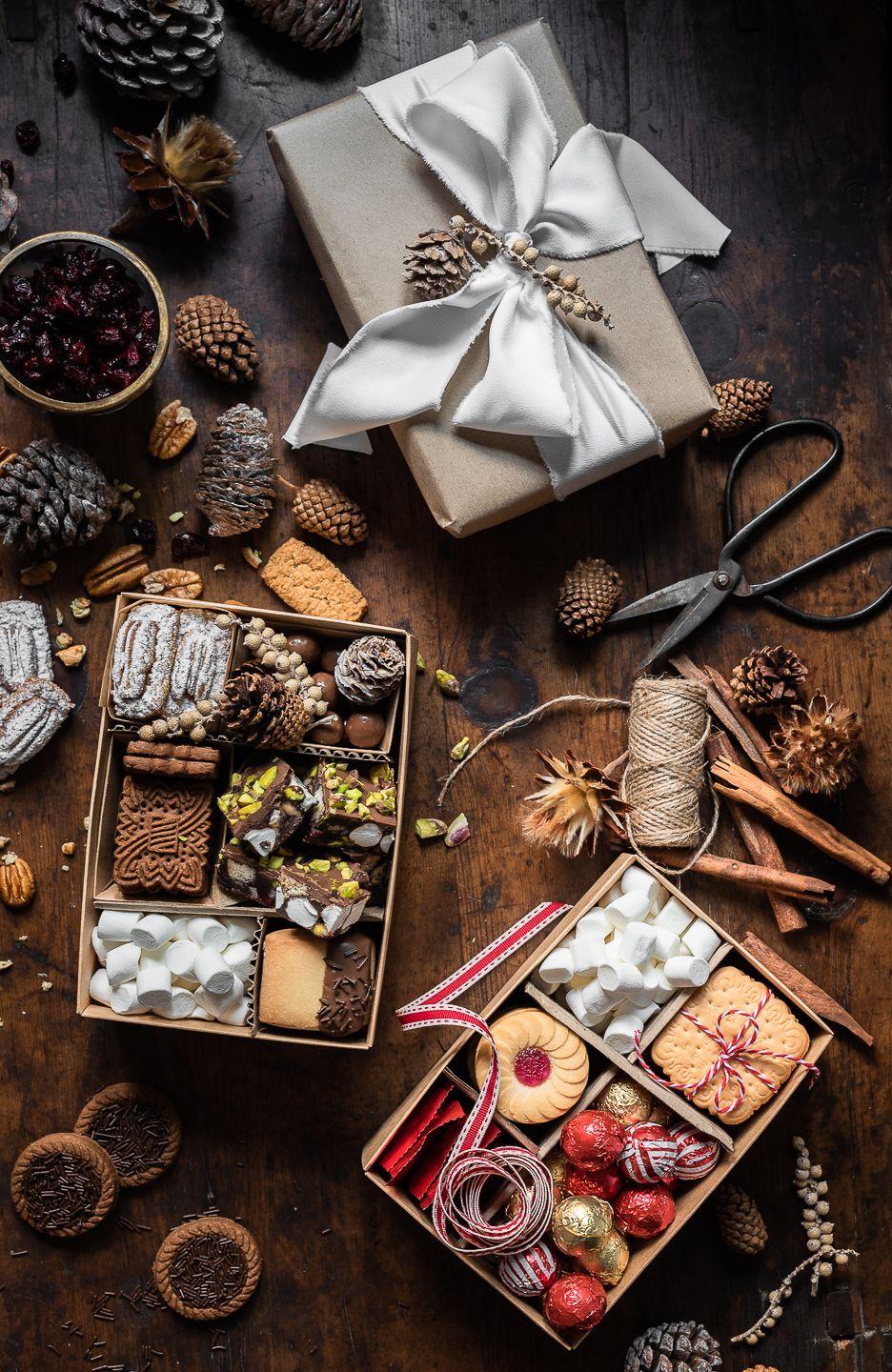

How to Package Holiday Food Gifts and Hampers in 2026
Custom Christmas Boxes turn a collection of food items into a polished gift by keeping everything secure, separated and beautifully presented. Pick a box with the right depth and inserts, use food-safe materials, and design the unboxing moment on purpose. Order by early October so production and shipping stay ahead of the holiday rush.
A holiday hamper sells on presentation as much as on what's inside. Customers want a gift that looks generous, arrives intact and feels thoughtful when the lid comes off. Well-planned Christmas Food Gift Boxes make that happen by giving each item a place, protecting fragile pieces and framing the whole set as one cohesive present. Whether you sell to individuals or run a corporate gifting program, the box shapes how people judge the value.
Why Gift Packaging Drives Holiday Food Sales
Holiday gifting drives a large share of yearly retail sales. The National Retail Federation forecast that U.S. holiday sales in 2024 would reach roughly $979 billion to $989 billion. Check the NRF's latest forecast before quoting a figure in your own marketing.
Gift buyers often order several sets at once for clients, staff and family. That makes consistency important. Custom Christmas Boxes let you deliver the same polished look across dozens of orders, and they support premium pricing because the box signals care and quality.
Packaging also affects repeat business. When a recipient loves a hamper, they check the label, find the brand, and often order for themselves next year. A clear logo, a website printed inside the lid and a tidy layout make that easy.
Plan the Layout Before You Choose the Box
Start with what goes inside, then work outward. Heavy items, fragile items and loose items each need a different approach.
Hampers and Multi-Item Sets
Mixed sets often include jars, bottles, chocolates, snacks and tea. Arrange them on paper and measure the footprint before choosing a size. When you compare Christmas Food Gift Boxes for hampers, ask whether inserts or dividers can be customized so every jar and bag has a fixed spot.
Corporate and Bulk Gifting
Businesses want uniform sets that look professional and ship efficiently. Choose a flat-packed or easy-assembly style so your team can build boxes quickly. Add a slot for a branded card or a note, and keep the layout the same across every unit.
Single-Product Gift Boxes
A single item, like a premium tin of shortbread or a jar of honey, still benefits from a gift-ready box. A snug sleeve or a two-piece box with tissue paper makes the product feel more valuable without adding much cost.
Materials and Finishes That Work
Food gifts need packaging that protects products and looks premium:
- Rigid board: Strong and luxurious, ideal for high-end hampers.
- White SBS paperboard: Clean surface that prints holiday colors crisply.
- Kraft paperboard: Natural, recyclable and suited to artisan brands.
- Corrugated board: Added protection for heavy hampers shipped long distances.
Anything touching food directly should use a food-safe liner, wrapper, parchment or coated interior. Keep printed surfaces away from unwrapped products, and ask your supplier which coatings and papers are approved for food use. Matte lamination gives an elegant look, gloss makes colors pop, and foil stamping adds shimmer to logos or snowflakes.
Request a full quote that spells out what's included. Inserts, ribbons, finishes and special sizes can change the price noticeably, and Custom Christmas Boxes with several upgrades cost more than the base unit price suggests.
Design Tips for a Memorable Unboxing
Think of the opening as part of the gift. Follow these steps:
- Print the lid with care. Put your logo and a festive pattern where the customer sees them first.
- Use the inside. A thank-you message or a pattern under the lid adds a surprise.
- Layer the contents. Tissue paper or shredded paper filler adds texture and cushioning.
- Limit your colors. Two or three shades look polished and print cleanly.
- Print the details. Include ingredients, allergen notes and storage tips where required.
- Test the full hamper. Pack a sample, shake it gently, and check for movement and leaks.
Keep your year-round branding visible. Custom Christmas Boxes should feel like a seasonal version of your brand, not a different company's packaging.
Plan Your Timeline and Quantities
Printing, finishing and delivery all take time, and holiday demand slows every supplier. A workable schedule looks like this:
- Early September: Pick box styles, sizes and quantities.
- Mid September: Approve artwork and request samples.
- Early October: Place the production order.
- Early November: Receive boxes and practice assembly before the rush.
Minimum order quantities vary, so ask early. If you're unsure how many to buy, look at your best holiday week last year and add about 10 to 15 percent as a buffer. Custom Christmas Boxes ordered late can mean rush fees or missed sales, so build in extra time.
Frequently Asked Questions
How early should I order holiday gift boxes?
Aim for early October. That leaves time for proofs, production and shipping delays.
Are printed boxes safe for food gifts?
Yes, when the food touches a food-safe liner, wrapper or coated interior rather than printed surfaces. Confirm approved materials with your supplier.
Can small businesses afford custom gift packaging?
Often, yes. Simple one- or two-color prints on standard sizes keep costs down, and Christmas Food Gift Boxes in common dimensions cost less than fully custom structures.
Final Thoughts
A good hamper box is part of the gift, not just a container. Plan the layout first, choose food-safe materials, design the opening moment, and order early. Done well, Custom Christmas Boxes make each set feel generous and thoughtful, and that feeling brings customers back next season.


