

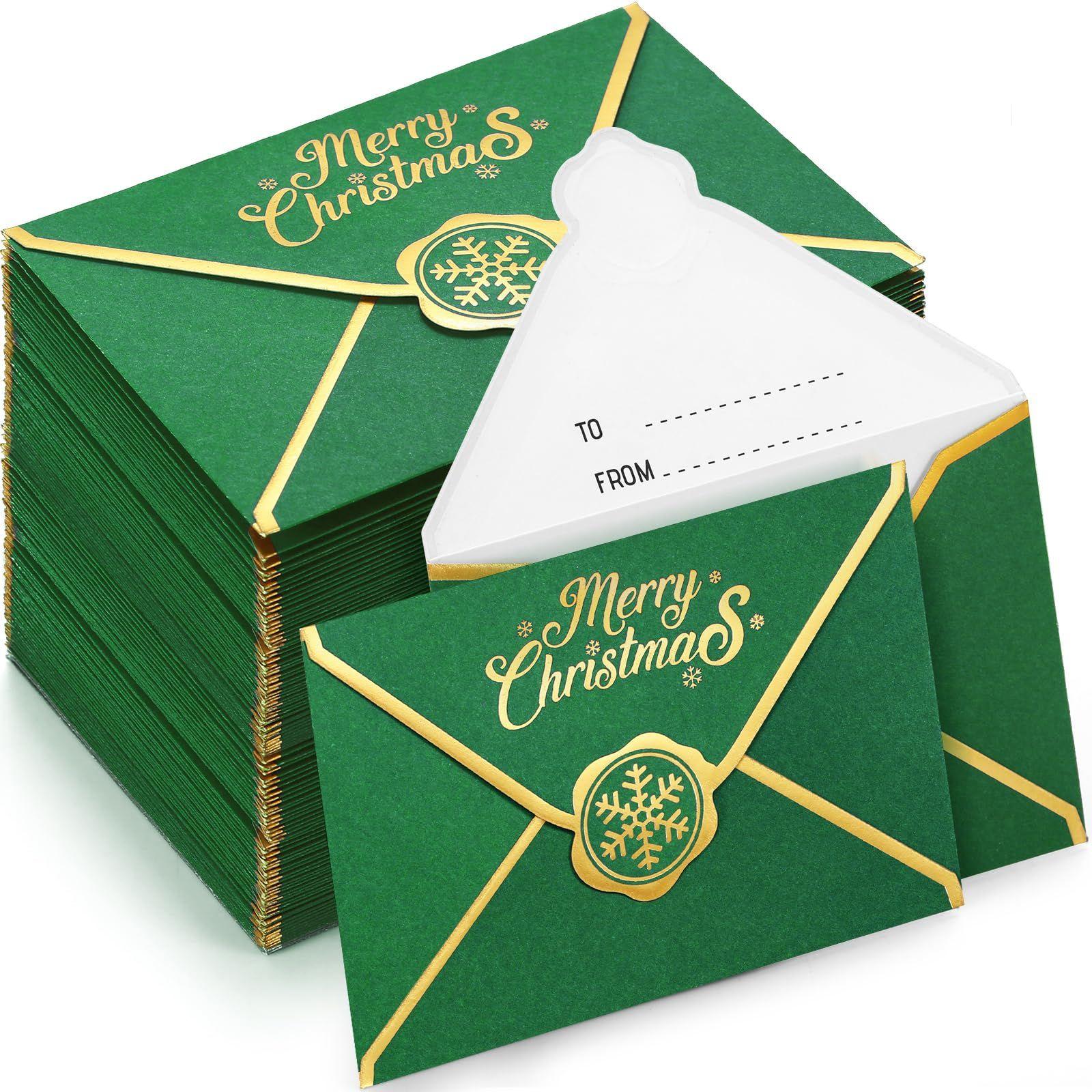

How to Package Gift Cards for the Holidays in 2026
Custom Christmas Boxes turn a thin plastic card into a gift worth unwrapping. Choose a compact box with a snug insert, add festive artwork that matches your brand, and keep the design simple. Order by early October so production and delivery stay ahead of the holiday rush.
A gift card is convenient, but on its own it can feel impersonal. The right box changes that by giving the recipient something to open, touch and keep. That's the idea behind Christmas Gift Card Boxes: they dress up a small item, protect it from bends and scratches, and give your brand a place to shine. For restaurants, salons, boutiques and online stores, the box is often the first impression of the offer.
Why Gift Card Packaging Matters
Holiday gifting drives a large share of yearly retail sales. The National Retail Federation forecast that U.S. holiday sales in 2024 would reach roughly $979 billion to $989 billion. Check the NRF's latest forecast before quoting a figure in your own marketing.
Gift cards benefit from that spending because they suit almost anyone on a shopping list. The challenge is that they look the same from one business to the next. Custom Christmas Boxes help your card stand out at the register, and they raise the perceived value of the gift, which can encourage higher denominations.
Packaging also improves redemption. A card tucked inside a handsome box with your logo and website is less likely to be forgotten in a drawer, and the recipient knows exactly where to use it.
Choose the Right Box Style
Gift cards are small, so structure and presentation matter more than size. Think about how the card will be displayed and handed over.
Slim Two-Piece Boxes
A shallow base and lid create a classic presentation. They fit a single card with a note, a small voucher or a ribbon. When you compare Christmas Gift Card Boxes, this style is often the easiest to personalize and the most familiar to shoppers.
Magnetic and Hinged Boxes
A magnetic closure gives a satisfying snap and feels premium. These suit higher-value cards, spa vouchers and luxury brands, and they photograph well for social media. They cost more per unit, so match them to the value of what's inside.
Folding Cartons and Sleeves
Lower-cost options like tuck-top cartons or slide-out sleeves work well for volume. They ship flat, store easily and can be printed with festive patterns, making them useful for stores that sell hundreds of cards in a short season.
Materials and Finishes That Work
Even small boxes need to survive handling and shipping:
- Rigid board: Sturdy and luxurious for premium cards.
- White SBS paperboard: Clean surface that prints holiday colors crisply.
- Kraft paperboard: Natural, recyclable and suited to eco-minded brands.
- Insert options: Foam, paperboard or velvet-style inserts hold the card in place.
For finishes, matte lamination looks refined and hides fingerprints. Gloss makes colors pop, and foil stamping adds shimmer to a logo or snowflake. Soft-touch coating feels luxurious but can show scuffs, so ask for a sample first. If the card will ship, make sure the box can withstand a standard mailer and doesn't flatten in transit.
Ask each supplier for a quote that spells out what's included. Inserts, ribbons, finishes and special sizes can change the price noticeably, and Custom Christmas Boxes with several upgrades cost more than the base unit price suggests.
Design Tips for a Memorable Reveal
Small packaging has little space, so every element should earn its spot. Follow these steps:
- Lead with your logo. Make it clear from a few feet away.
- Use a short palette. Two or three colors look polished; red, green and cream suit the season.
- Add a message area. Leave room for a handwritten note or a printed greeting.
- Print the terms. Include a short line with your website, expiration details or redemption steps where required.
- Check the fit. The card should sit snugly, without sliding or bending.
- Test with real cards. Insert a sample, close the lid and shake gently to check for movement.
Keep your year-round branding visible. Custom Christmas Boxes should feel like a seasonal version of your brand, not a different company's packaging.
Plan Your Timeline and Quantities
Printing, finishing and delivery all take time, and holiday demand slows every supplier. A workable schedule looks like this:
- Early September: Pick box styles, sizes and quantities.
- Mid September: Approve artwork and request samples.
- Early October: Place the production order.
- Early November: Receive boxes and practice packing before the rush.
Minimum order quantities vary, so ask early. If you're unsure how many to buy, look at your best holiday week last year and add about 10 to 15 percent as a buffer. Custom Christmas Boxes ordered late can mean rush fees or missed sales, so build in extra time.
Frequently Asked Questions
How early should I order holiday gift card boxes?
Aim for early October. That leaves time for proofs, production and shipping delays.
Can a box hold more than a card?
Yes. Many styles include space for a note, a small treat or a keepsake, as long as the insert is sized correctly.
Can small businesses afford custom packaging for cards?
Often, yes. Small boxes use less material, and Christmas Gift Card Boxes in standard sizes with a simple one- or two-color print cost less than fully custom structures.
Final Thoughts
A gift card is a small item, but the packaging can make it feel generous. Choose a box style that suits your brand, use sturdy materials, keep the design clean and order early. Done well, Custom Christmas Boxes give recipients a moment worth remembering, and that moment helps bring them back to use the card.


