

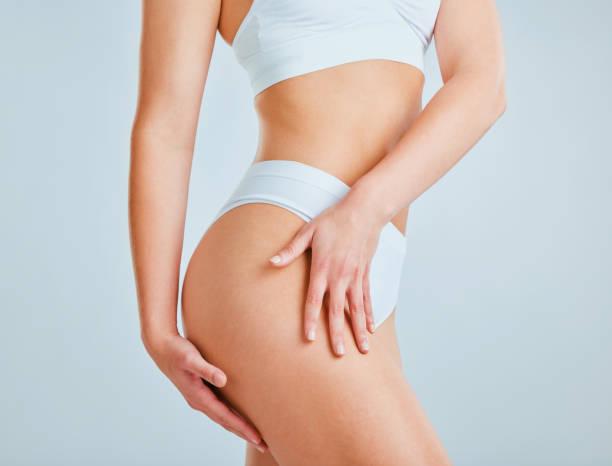

Significant weight loss can improve overall health and body composition, but it may also leave loose skin around the upper arms and thighs. This can happen when the skin loses some of its ability to return to its previous shape after being stretched over time. Age, genetics, skin elasticity, and the amount of weight lost can all influence the extent of skin laxity. J plasma for thighs and arms in Riyadh is a search term used by people exploring aesthetic treatments for loose skin and body contouring. Understanding the available options and their limitations can help individuals make informed decisions about their appearance.
What Is J Plasma Treatment?
J-Plasma, also known as Renuvion in certain clinical settings, combines radiofrequency energy with helium gas to generate plasma. During specific medical procedures, the technology delivers energy to targeted tissue, creating a thermal effect that may contribute to tissue contraction.
The suitability of this technology depends on the device, handpiece, intended application, and individual circumstances. It should not be assumed that every proposed use is appropriate for every body area. Anyone considering this treatment for the arms or thighs should consult a qualified medical professional to understand the available evidence, authorized uses, and potential risks.
Why Weight Changes Can Affect Skin Elasticity
Skin contains collagen and elastin, which help maintain its strength and flexibility. When the skin remains stretched for an extended period, it may not fully return to its previous shape after significant weight loss. The degree of loose skin varies between individuals and can depend on age, genetics, previous weight fluctuations, and natural changes in skin structure.
Loose Skin Around the Upper Arms
After significant weight changes, the upper arms may develop hanging or less elastic skin. Exercise can strengthen the underlying muscles and improve muscle definition, but it cannot remove substantial excess skin. Treatment options depend on the amount of laxity, overall health, and the individual's aesthetic goals.
Loose Skin Around the Thighs
The inner and outer thighs can also develop excess skin following weight loss. This may affect the appearance of the legs and the way clothing fits. Before choosing a procedure, a clinician should assess whether the concern primarily involves loose skin, excess fat, or a combination of both.
Potential Role of J Plasma in Body Contouring
People researching J plasma for thighs and arms in Riyadh may want to understand whether this technology can improve the appearance of loose skin after weight changes. J-Plasma has been promoted for tissue contraction in selected aesthetic procedures, but the extent of any improvement depends on the specific application, individual anatomy, and available clinical evidence.
The treatment should not be considered a guaranteed solution for substantial excess skin. Some individuals may require a different approach, depending on the degree of laxity and their desired results. A qualified clinician can explain the potential benefits, limitations, and alternatives without promising a particular outcome.
Alternative Treatments for Loose Skin
Treatment selection depends on the severity of skin laxity, medical history, and individual expectations. A personalized assessment can help identify the most suitable options.
Non-Surgical Treatment Options
Selected non-surgical technologies may be considered for mild skin laxity. Their effectiveness varies, and they may offer limited improvement when significant excess skin is present. Patients should ask about the clinical evidence, possible side effects, number of treatments required, and realistic expectations before proceeding.
Surgical Body-Contouring Procedures
An arm lift, also known as brachioplasty, removes excess skin from the upper arms. A thigh lift removes excess skin from specific areas of the thighs. These procedures may be more appropriate for individuals with substantial loose skin, although they involve surgical risks, scars, and recovery time. A qualified surgeon can assess whether either option is suitable.
Consultation and Treatment Preparation
Before choosing a body-contouring procedure, patients should discuss their medical history, medications, previous surgeries, weight stability, and skin condition with a qualified medical professional. It is important to ask which device and handpiece will be used, whether the proposed application is authorized, what evidence supports the treatment, and which alternatives may be more appropriate.
The consultation should also cover potential complications, anesthesia, recovery expectations, aftercare instructions, and follow-up appointments. Understanding these factors can help patients make informed decisions and avoid unrealistic expectations.
Recovery and Safety Considerations
Recovery depends on the procedure, the extent of treatment, and whether additional procedures are performed. Swelling, bruising, tenderness, and temporary changes in sensation may occur after body-contouring treatments. Patients should follow their clinician's instructions and attend recommended follow-up appointments.
Potential complications associated with J-Plasma and related aesthetic procedures may include burns, infection, scarring, nerve injury, bleeding, and gas accumulation in tissues or body cavities. Some complications can be serious. Patients should discuss the risks before treatment and seek urgent medical attention for severe pain, rapidly increasing swelling, breathing difficulties, or other serious symptoms after a procedure.
Maintaining Results After Weight Changes
Maintaining a stable weight, eating a balanced diet, and participating in regular physical activity can support overall health and body composition. Strength training may improve muscle definition, but it does not remove significant excess skin. Further weight changes and natural aging can also influence the appearance of treated areas over time.
A realistic treatment plan should consider long-term goals and acknowledge that some skin laxity may remain even after a procedure. Regular follow-up with a qualified medical professional can help address questions about healing and results.
Book a Consultation at Royal Clinic Saudi
If you are exploring options for loose skin after weight changes, Royal Clinic Saudi can be a starting point for discussing available body-contouring approaches. Arrange a consultation with a qualified medical professional to review your goals, assess your concerns, and understand the potential benefits, risks, alternatives, and recovery requirements of each option. An individualized assessment can help you choose an approach that prioritizes safety and realistic expectations.
FAQs:
Can J-Plasma improve loose skin after weight loss?
Potential results depend on the specific procedure, skin condition, and individual circumstances. Significant excess skin may require a different approach, such as surgery.
Should my weight be stable before body-contouring treatment?
Weight stability is often an important consideration because future weight changes can affect results. Discuss the appropriate timing with your clinician.
What risks should I consider before J-Plasma treatment?
Potential risks include burns, infection, scarring, nerve injury, bleeding, and gas accumulation. Ask a qualified clinician about the risks of the specific proposed procedure.
What alternatives are available for loose skin on the arms and thighs?
Options may include selected non-surgical treatments, an arm lift, or a thigh lift. The most suitable approach depends on the amount of excess skin and your overall health.


