


Bedbug Control
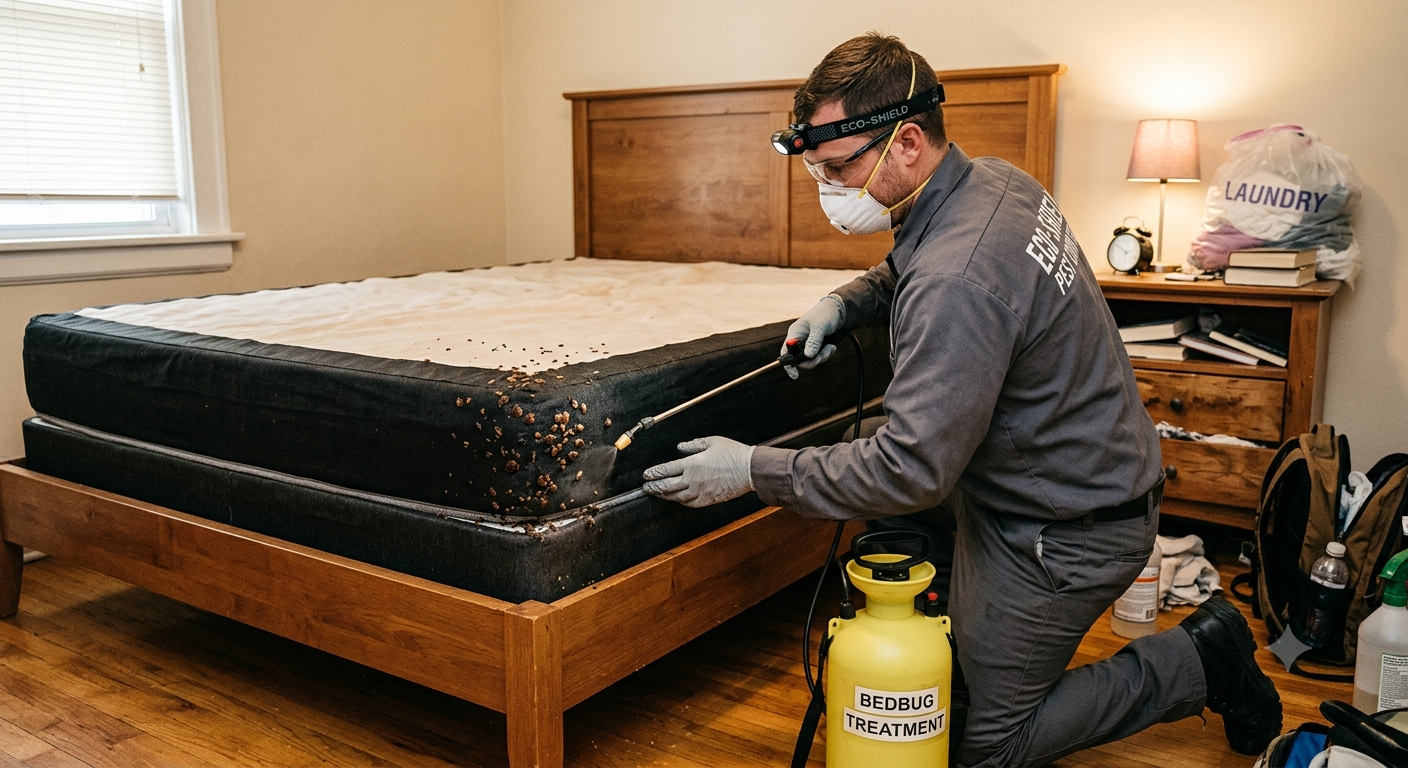
Bedbugs are among the most troublesome household pests, causing discomfort, stress, and financial burdens for homeowners and businesses alike. These tiny, reddish-brown insects feed on human blood, usually at night while people are asleep. Although Bedbug Control are not known to transmit diseases, their bites can lead to itching, allergic reactions, skin irritation, and emotional distress. Their ability to hide in small cracks and reproduce rapidly makes them particularly difficult to eliminate without a well-planned approach.
Bedbug infestations have increased worldwide over the past two decades due to increased travel, pesticide resistance, and the movement of secondhand furniture. Whether in homes, hotels, dormitories, apartments, or public transportation, bedbugs can spread quickly if left untreated. Understanding how to identify, control, and prevent these pests is essential for maintaining a healthy and comfortable living environment.
This article explores the causes of bedbug infestations, signs of their presence, effective control methods, prevention strategies, and the importance of professional pest management.
Understanding Bedbugs
Bedbugs (Cimex lectularius) are small, flat insects measuring approximately 4–7 millimeters in length. Adult bedbugs are reddish-brown and oval-shaped, while younger bedbugs, known as nymphs, are smaller and lighter in color. They feed exclusively on the blood of humans and warm-blooded animals.
Bedbugs are excellent hitchhikers. They do not fly or jump but move quickly across floors, walls, luggage, clothing, furniture, and bedding. Once they find a suitable hiding place near their food source, they remain concealed during the day and emerge at night to feed.
Female bedbugs can lay hundreds of eggs during their lifetime, making infestations grow rapidly if not addressed promptly.
Common Signs of Bedbug Infestation
Early detection is crucial for successful bedbug control. Some common signs include:
- Small red, itchy bite marks on exposed skin.
- Blood stains on bed sheets or pillowcases.
- Tiny dark spots (bedbug feces) on mattresses, furniture, or walls.
- Shed skins left behind as bedbugs grow.
- Clusters of tiny white eggs in cracks and crevices.
- A musty, unpleasant odor in heavily infested rooms.
- Live bedbugs hiding around mattress seams, bed frames, furniture joints, electrical outlets, and behind wallpaper.
Regular inspection of sleeping areas can help identify infestations before they become severe.
How Bedbugs Spread
Bedbugs spread mainly through human activities. Common ways include:
Travel
Hotels, hostels, buses, trains, and airplanes may unknowingly harbor bedbugs. They can hide inside luggage and clothing before being carried into homes.
Secondhand Furniture
Used mattresses, couches, bed frames, and upholstered furniture can contain hidden bedbugs or eggs.
Apartment Buildings
Bedbugs can travel through wall cracks, plumbing lines, ceilings, and electrical outlets between neighboring apartments.
Visitors
Guests may unknowingly bring bedbugs into a home through bags, backpacks, or clothing.
Contrary to popular belief, bedbugs are not attracted by dirt or poor hygiene. Even the cleanest homes can become infested.
Health Effects of Bedbugs
Although bedbugs are not known to spread infectious diseases, they can significantly affect physical and mental well-being.
Common health effects include:
- Itchy skin irritation
- Allergic reactions
- Secondary skin infections from excessive scratching
- Sleep disturbances
- Anxiety and emotional stress
- Reduced quality of life
For many people, the psychological impact of living with bedbugs is as challenging as the physical discomfort.
Inspection and Identification
Accurate inspection is the foundation of effective bedbug control.
Areas that should be carefully inspected include:
- Mattress seams
- Box springs
- Headboards
- Bed frames
- Sofas and chairs
- Curtains
- Carpets
- Baseboards
- Picture frames
- Electrical outlets
- Behind loose wallpaper
- Closet shelves
- Luggage
Using a flashlight and magnifying glass can improve inspection accuracy. Sticky monitoring traps can also help detect bedbug activity.
Effective Bedbug Control Methods
Successful bedbug elimination usually requires combining several control techniques.
1. Cleaning and Decluttering
Reducing clutter removes hiding places and improves treatment effectiveness.
Recommended cleaning steps include:
- Vacuum mattresses, carpets, furniture, and floors thoroughly.
- Empty vacuum bags immediately into sealed plastic bags.
- Wash bedding, curtains, and clothing regularly.
- Organize storage areas to minimize hiding spots.
2. Heat Treatment
Heat is one of the most effective methods for killing bedbugs at every life stage.
Wash infested clothing and bedding in hot water and dry them on high heat for at least 30 minutes. Professional whole-room heat treatments raise temperatures high enough to eliminate bedbugs hidden deep inside furniture and walls.
3. Cold Treatment
Some items that cannot be heated may be placed in a freezer at very low temperatures for several days to kill bedbugs.
4. Mattress Encasements
Special bedbug-proof mattress and box spring encasements trap existing bedbugs inside while preventing new infestations.
These covers should remain sealed for many months because bedbugs can survive long periods without feeding.
5. Vacuuming
Frequent vacuuming removes visible insects, eggs, and debris.
Pay special attention to:
- Mattress seams
- Furniture joints
- Floor edges
- Baseboards
- Carpet edges
Vacuuming alone will not eliminate an infestation but serves as an important part of integrated control.
6. Steam Treatment
High-temperature steam penetrates fabric and furniture where pesticides may not reach.
Steam is especially useful for:
- Mattresses
- Upholstered furniture
- Curtains
- Carpets
- Cracks and crevices
Professional steam equipment provides the best results.
7. Insecticides
Several insecticides are available for bedbug control.
These include:
- Residual sprays
- Dust formulations
- Aerosols
- Growth regulators
However, many bedbug populations have developed resistance to certain pesticides. Products should always be used according to label instructions, and overuse should be avoided.
Integrated Pest Management (IPM)
Integrated Pest Management combines multiple control methods into one coordinated strategy.
IPM includes:
- Regular inspection
- Monitoring
- Cleaning
- Heat treatment
- Vacuuming
- Steam application
- Proper insecticide use
- Follow-up inspections
This approach minimizes pesticide use while achieving long-term control.
Preventing Bedbug Infestations
Prevention is far easier and less expensive than eliminating an established infestation.
Effective prevention measures include:
Inspect Hotel Rooms
When traveling:
- Check mattresses.
- Examine headboards.
- Inspect furniture.
- Keep luggage on racks instead of beds or floors.
Wash Clothing After Travel
Immediately wash travel clothing using hot water and dry it on high heat.
Inspect Secondhand Furniture
Carefully examine used furniture before bringing it into your home.
Reduce Clutter
Clutter creates ideal hiding places for bedbugs.
Seal Cracks
Repair cracks in walls, flooring, and furniture to reduce hiding locations.
Use Mattress Protectors
High-quality mattress encasements help prevent infestations.
Routine Monitoring
Regular home inspections allow early detection before infestations become severe.
Bedbug Control in Hotels
Hotels face significant risks because guests frequently travel from different locations.
Hotel management should:
- Train housekeeping staff.
- Inspect guest rooms regularly.
- Respond immediately to complaints.
- Use professional pest control services.
- Replace heavily infested furniture when necessary.
Prompt action protects both guests and business reputation.
Bedbug Control in Apartment Buildings
Multi-unit housing presents unique challenges.
Property managers should:
- Inspect neighboring units.
- Coordinate treatments throughout affected buildings.
- Educate tenants about prevention.
- Encourage early reporting.
- Maintain regular pest monitoring programs.
Cooperation between landlords and residents greatly improves success.
The Role of Professional Pest Control
Professional pest management companies have specialized equipment, experience, and treatment methods unavailable to most homeowners.
Professionals typically:
- Conduct detailed inspections.
- Identify infestation severity.
- Develop customized treatment plans.
- Apply commercial-grade products safely.
- Perform follow-up inspections.
- Recommend preventive measures.
Hiring professionals often saves time and reduces the likelihood of recurring infestations.
Common Myths About Bedbugs
Many misconceptions surround bedbugs.
Myth: Bedbugs only infest dirty homes.
Fact: Bedbugs can infest any home regardless of cleanliness.
Myth: Bedbugs spread diseases.
Fact: There is currently no strong evidence that bedbugs transmit diseases to humans.
Myth: Throwing away the mattress solves the problem.
Fact: Bedbugs often hide throughout the room, not just inside mattresses.
Myth: Bedbugs are too small to see.
Fact: Adult bedbugs are visible to the naked eye.
Challenges in Bedbug Control
Several factors make bedbug control difficult:
- Small size
- Excellent hiding ability
- Rapid reproduction
- Resistance to some insecticides
- Ability to survive months without feeding
- Easy transportation through travel and personal belongings
These characteristics require patience, persistence, and repeated inspections.
Future Developments
Researchers continue developing improved methods for bedbug management.
Emerging technologies include:
- More effective heat treatment systems
- Improved monitoring devices
- Biological control options
- New insecticides targeting resistant populations
- Smart detection systems using artificial intelligence
- Bedbug-sniffing detection dogs with enhanced training
Ongoing research aims to make bedbug control faster, safer, and more environmentally friendly.

 English
 Arabic
 French
 Spanish
 Portuguese
 Deutsch
 Dutch
Dutch
 Italiano
 Russian
 Romaian
 Portuguese (Brazil)
 Greek
Greek