


Manuka honey
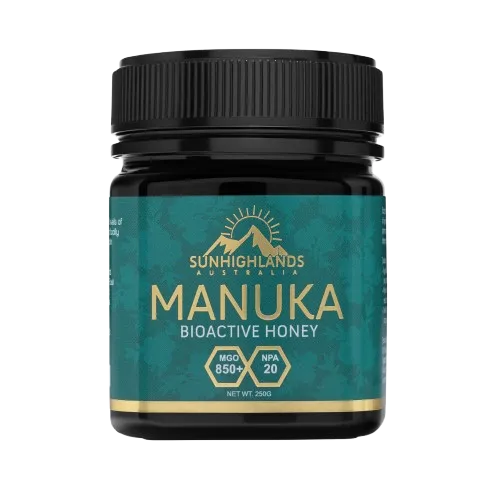
Manuka honey is one of the world's most valued natural health products, renowned for its unique antibacterial properties and potential health benefits. Unlike regular honey, Manuka honey is produced by bees that collect nectar from the flowers of the Manuka bush (Leptospermum scoparium), a plant native to New Zealand and parts of Australia. Its exceptional composition has made it popular not only as a natural sweetener but also as a traditional remedy for wound care, digestive health, sore throats, and skincare.
In recent years, scientific research has increased interest in Manuka honey due to its unique compounds, particularly methylglyoxal (MGO), which contributes to its antibacterial activity. As demand has grown worldwide, consumers have become more interested in understanding what makes Manuka honey different, how to identify authentic products, and how to use it safely and effectively.
This article explores the origins, nutritional value, health benefits, uses, grading systems, storage methods, and considerations for choosing high-quality Manuka honey.
What Is Manuka Honey?
Manuka honey is a monofloral honey produced primarily from the nectar of the Manuka shrub. The flowering season typically lasts only a few weeks each year, making genuine Manuka honey relatively rare compared to conventional honey.
The distinctive antibacterial properties of Manuka honey are largely attributed to methylglyoxal (MGO), which forms naturally from dihydroxyacetone present in Manuka flower nectar. This gives the honey characteristics that differ from many other types of honey.
Manuka honey is known for its rich amber color, thick texture, and earthy, slightly herbal flavor.
Nutritional Profile
Like other natural honeys, Manuka honey mainly consists of carbohydrates in the form of natural sugars. It also contains small amounts of vitamins, minerals, amino acids, and antioxidants.
Typical components include:
- Natural sugars such as fructose and glucose
- Water
- Amino acids
- Organic acids
- Polyphenols and flavonoids
- Trace minerals including potassium, calcium, magnesium, and iron
- Antioxidant compounds
Although Manuka honey provides some beneficial nutrients, it is still a concentrated source of sugar and should be consumed in moderation.
Unique Compounds in Manuka Honey
Several naturally occurring compounds distinguish Manuka honey from ordinary honey.
Methylglyoxal (MGO)
MGO is considered the primary contributor to the antibacterial properties of Manuka honey. Higher MGO levels generally indicate stronger antibacterial activity.
Leptosperin
Leptosperin is a naturally occurring compound found almost exclusively in Manuka honey. It is often used to help verify authenticity.
Dihydroxyacetone (DHA)
DHA is present in Manuka flower nectar and gradually converts into MGO as the honey matures.
Antioxidants
Manuka honey contains antioxidants that help protect cells from oxidative stress caused by free radicals.
Health Benefits of Manuka Honey
Research suggests that Manuka honey may provide several health benefits, although results can vary depending on the individual and the specific use.
Supports Wound Healing
Medical-grade Manuka honey has been used in wound dressings because of its antibacterial properties and ability to help maintain a moist healing environment. It may support the healing of certain burns, ulcers, and minor wounds when used under appropriate medical guidance.
May Help Soothe Sore Throats
Many people consume Manuka honey to help soothe irritated throats. Its thick consistency coats the throat, while its natural antibacterial properties may help reduce bacterial growth in some situations.
Supports Digestive Health
Some studies suggest that Manuka honey may help support digestive health by influencing certain harmful bacteria. More research is needed to fully understand its role in digestive disorders.
Provides Antioxidants
The antioxidants in Manuka honey may help reduce oxidative stress, which is associated with aging and various chronic diseases.
Supports Oral Health
Despite its sugar content, some research indicates that Manuka honey may help reduce certain bacteria associated with gum disease and bad breath. However, good oral hygiene remains essential.
Skin Care Benefits
Manuka honey is commonly included in skincare products because it may help hydrate the skin, reduce redness, and support the healing of minor blemishes.
Medical Uses of Manuka Honey
Medical-grade Manuka honey differs from food-grade honey because it is sterilized and prepared for clinical use.
Healthcare professionals may use it for:
- Minor burns
- Surgical wounds
- Pressure ulcers
- Diabetic foot ulcers
- Skin graft sites
- Certain chronic wounds
These products should only be used according to medical advice or manufacturer instructions.
Everyday Uses of Manuka Honey
Many people include Manuka honey in their daily routines.
Popular uses include:
- Stirring it into tea
- Spreading it on toast
- Adding it to yogurt
- Mixing it into smoothies
- Using it in homemade salad dressings
- Sweetening oatmeal
- Applying honey-based face masks
- Consuming a small spoonful directly
These uses allow people to enjoy both its flavor and its unique characteristics.
Understanding UMF and MGO Ratings
Authentic Manuka honey is commonly labeled with quality grading systems.
UMF (Unique Manuka Factor)
The UMF rating measures several markers that help verify authenticity and indicate antibacterial strength.
Common UMF ratings include:
- UMF 5+ – Lower activity
- UMF 10+ – Moderate activity
- UMF 15+ – High activity
- UMF 20+ – Very high activity
MGO Rating
The MGO number represents the approximate concentration of methylglyoxal.
Examples include:
- MGO 100+
- MGO 250+
- MGO 400+
- MGO 550+
- MGO 800+
Higher ratings generally indicate greater antibacterial potency, although the appropriate choice depends on individual preferences and intended use.
How to Choose Authentic Manuka Honey
Because Manuka honey is highly valued, counterfeit products can be a concern.
When purchasing Manuka honey, consider the following:
- Look for recognized UMF or MGO certification.
- Check that the product is labeled as originating from New Zealand or Australia, depending on the producer.
- Purchase from reputable brands and retailers.
- Examine packaging for batch information and quality seals.
- Avoid unusually inexpensive products claiming very high ratings.
Reading labels carefully can help consumers select genuine products.
Proper Storage
Proper storage helps preserve the quality of Manuka honey.
Recommendations include:
- Store at room temperature.
- Keep the container tightly sealed.
- Protect it from direct sunlight.
- Avoid excessive heat.
- Use a clean, dry spoon to prevent contamination.
Honey naturally has a long shelf life when stored correctly.
Safety Considerations
Although Manuka honey is generally safe for most healthy adults, certain precautions should be observed.
Infants
Honey should never be given to infants under 12 months of age because of the risk of infant botulism.
Diabetes
People with diabetes should consult a healthcare professional before consuming Manuka honey regularly, as it contains natural sugars that can affect blood glucose levels.
Allergies
Individuals with allergies to bees, pollen, or honey should use caution and discontinue use if an allergic reaction occurs.
Medical Conditions
Anyone with significant medical conditions or taking prescribed medications should seek professional medical advice before using Manuka honey as a health supplement.
Manuka Honey in Skincare
Manuka honey is widely used in cosmetic products because of its moisturizing and soothing properties.
It may be found in:
- Facial cleansers
- Moisturizers
- Face masks
- Lip balms
- Body lotions
- Acne treatment products
Many people appreciate its ability to leave skin feeling soft and hydrated.
Manuka Honey vs. Regular Honey
Although both types of honey are natural sweeteners, there are several important differences.
| Feature | Manuka Honey | Regular Honey |
|---|---|---|
| Source | Manuka flowers | Various flowers |
| Flavor | Earthy and rich | Varies by floral source |
| Antibacterial compounds | Higher levels of MGO | Lower or variable |
| Certification | UMF or MGO grading | Usually not graded |
| Price | Generally more expensive | Usually more affordable |
| Specialized uses | Culinary and medical applications | Primarily culinary |
These differences explain why Manuka honey is often considered a premium product.
Ongoing Research
Scientists continue studying Manuka honey for its potential applications in medicine and health care.
Areas of ongoing research include:
- Antibacterial activity
- Wound management
- Biofilm reduction
- Skin health
- Oral health
- Digestive health
- Antioxidant effects
While many findings are encouraging, more high-quality clinical studies are needed to better understand its long-term effectiveness for various health conditions.
Environmental Importance
The production of Manuka honey depends on healthy bee populations and thriving Manuka plants. Sustainable beekeeping practices help support biodiversity, pollination, and ecosystem health. Protecting natural habitats benefits both honey production and the wider environment.
Consumers can support responsible producers by choosing products from companies committed to sustainable beekeeping and environmental stewardship.

 English
 Arabic
 French
 Spanish
 Portuguese
 Turkish
 Dutch
Dutch
 Italiano
 Russian
 Romaian
 Portuguese (Brazil)
 Greek
Greek