

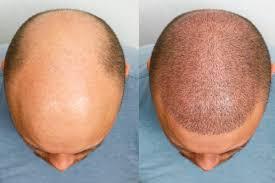
Hair loss can affect confidence, appearance, and personal comfort. For people experiencing thinning hair, a receding hairline, or bald patches, hair transplant surgery may offer a long-term hair restoration option. However, choosing the right Hair Transplant in Dubai method requires more than simply selecting a popular technique. Every individual has different hair characteristics, scalp conditions, donor hair availability, and restoration goals.
Understanding the available hair transplant techniques can help patients make informed decisions and prepare for a professional consultation. In Dubai, people considering hair restoration should understand how different methods work and which factors influence treatment suitability.
Understanding Your Hair Loss Pattern
Before selecting a hair transplant method, it is important to identify the type and extent of hair loss. Some individuals experience gradual thinning around the temples, while others develop noticeable baldness around the crown or middle scalp.
Common patterns include:
-
Receding hairline: Hair gradually becomes thinner around the forehead and temples.
-
Crown thinning: Hair density decreases around the upper back portion of the scalp.
-
Diffuse thinning: Hair becomes thinner across larger areas rather than forming distinct bald patches.
-
Advanced hair loss: Significant areas of the scalp lose their natural hair coverage.
Understanding your hair loss pattern helps specialists determine the areas that may benefit from transplantation and whether additional hair loss management is necessary.
What Are the Main Hair Transplant Methods?
Two commonly used hair transplant techniques are Follicular Unit Extraction (FUE) and Follicular Unit Transplantation (FUT). Both methods involve transferring healthy hair follicles from a donor area to areas experiencing hair loss, but their extraction processes are different.
Follicular Unit Extraction (FUE)
FUE involves extracting individual hair follicular units from the donor area, usually the back or sides of the scalp. These follicles are then carefully implanted into areas with reduced hair density.
Some characteristics of FUE include:
-
Individual follicle extraction.
-
Small extraction marks instead of one continuous surgical incision.
-
No linear donor-area scar.
-
Flexibility in selecting individual grafts.
-
Recovery and healing patterns that vary between patients.
FUE may be suitable for individuals who prefer shorter hairstyles or want to avoid a linear scar. However, suitability depends on donor hair density, scalp characteristics, and the number of grafts required.
Follicular Unit Transplantation (FUT)
FUT involves removing a narrow strip of scalp tissue from the donor area. The tissue is then divided into individual follicular units under specialised conditions before implantation.
Important characteristics include:
-
Collection of multiple follicular units from a donor strip.
-
A linear scar in the donor area.
-
The possibility of obtaining a larger number of grafts in selected cases.
-
A donor-area closure that requires careful healing.
FUT may be considered for patients who need substantial graft numbers and have suitable scalp characteristics. However, the linear scar and recovery considerations should be discussed before choosing this method.
Factors to Consider When Choosing a Hair Transplant Method
Selecting between FUE and FUT requires an individual assessment rather than relying on general recommendations.
1. Donor Hair Availability
Donor hair availability is one of the most important factors in hair transplant planning. Specialists examine the density, thickness, distribution, and overall quality of hair in the donor area.
Patients with limited donor hair may require a carefully planned approach to avoid overharvesting. The goal is to use available follicles responsibly while maintaining a natural donor-area appearance.
2. Extent of Hair Loss
The amount of hair loss influences the number of grafts needed and the overall treatment strategy. Individuals with mild hairline recession may require a different approach from those experiencing extensive crown thinning.
A specialist evaluates the affected areas and considers whether the available donor follicles can provide appropriate coverage.
3. Hair Texture and Thickness
Hair characteristics influence the visual appearance of transplant results. Thick or curly hair may create a different coverage effect compared with fine or straight hair.
Hair colour contrast with the scalp can also influence how dense the transplanted area appears. These details help specialists plan graft distribution and placement.
4. Lifestyle and Hairstyle Preferences
Personal preferences can influence the choice of technique. For example, people who prefer very short hairstyles may want to discuss the visibility of donor-area scars.
FUE may be worth considering when avoiding a linear scar is important, while FUT may be suitable for selected patients who accept its scar-related considerations.
5. Recovery Expectations
Both techniques require healing time, and recovery experiences differ between individuals. Patients should understand the expected healing process, aftercare instructions, temporary shedding, and when normal activities can be resumed.
A realistic recovery plan helps patients prepare for the procedure and follow professional guidance.
Why Is a Professional Hair Transplant Consultation Important?
A professional consultation helps determine whether hair transplantation is an appropriate option. During the assessment, a qualified specialist may examine the scalp, review medical history, evaluate donor hair, and discuss previous hair loss treatments.
Patients should also discuss:
-
The expected number of grafts.
-
The advantages and limitations of each method.
-
Potential complications and scarring.
-
Long-term hair loss progression.
-
Expected results and recovery requirements.
-
Whether additional treatment may be appropriate.
It is important to remember that transplanted hair does not prevent existing non-transplanted hair from thinning in the future. Therefore, long-term planning is an essential part of the decision-making process.
How Does Tajmeels Clinic Help Patients Choose a Suitable Hair Transplant Method?
At tajmeels clinic dubai, hair restoration planning focuses on understanding individual hair loss concerns, scalp characteristics, and personal expectations. A professional assessment can help evaluate donor hair availability, existing hair density, and the areas requiring restoration. Based on these findings, patients can discuss suitable hair transplant techniques, their potential benefits, limitations, and recovery considerations. This personalised approach supports informed decisions rather than recommending the same technique for everyone.
What Should You Avoid When Selecting a Hair Transplant Technique?
Choosing a method based only on popularity or online recommendations can lead to unrealistic expectations. Patients should avoid making decisions without understanding their individual suitability.
Consider avoiding these common mistakes:
-
Selecting a technique without a scalp examination.
-
Ignoring donor hair limitations.
-
Expecting immediate or guaranteed results.
-
Overlooking potential future hair loss.
-
Comparing techniques without considering their differences.
-
Choosing based only on photographs or promotional claims.
A qualified medical professional should explain the possible outcomes and risks before any surgical decision is made.
Final Thoughts
Choosing the right hair transplant method involves understanding your hair loss pattern, donor hair availability, scalp condition, lifestyle preferences, and long-term restoration goals. FUE and FUT both have specific advantages and limitations, making individual assessment essential. A consultation with an experienced hair restoration specialist can help determine the most appropriate approach and establish realistic expectations for natural-looking results.
More Information
Tajmeels Clinic Dubai
WhatsApp: +971 56 203 8751
Phone: tel:+971 43739000
Social Media:


